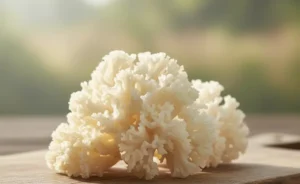

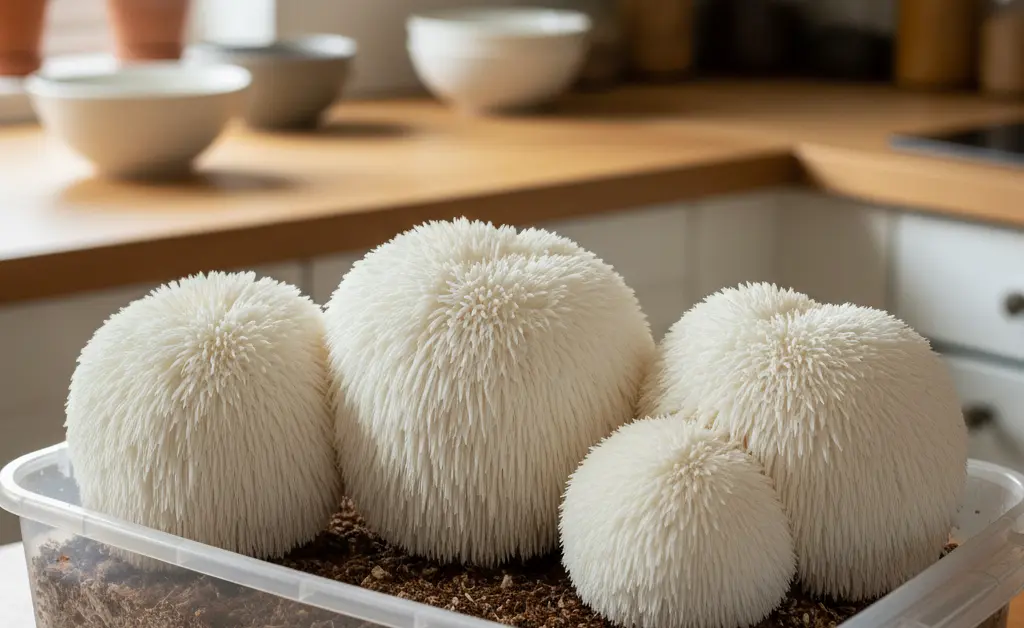
Lion’s Mane mushrooms (Hericium erinaceus) are truly remarkable fungi, not only for their unique appearance but also for their subtle, seafood-like flavor and numerous wellness benefits. Many enthusiasts are surprised to learn that cultivating these gourmet and medicinal powerhouses at home is a highly rewarding endeavor, far more accessible than often perceived. With the right approach and a keen understanding of their specific needs, anyone can successfully produce bountiful harvests right from their kitchen or dedicated grow space. This guide is designed to empower you with the practical knowledge and techniques required, demystifying the process of how to grow lion’s mane mushroom from simple kits to more advanced methods. Embrace the journey of cultivating these fascinating fungi and enjoy the fresh, high-quality yields you’ll achieve.
how to grow lion’s mane mushroom
Embarking on the journey of cultivating Lion’s Mane mushrooms offers a fascinating insight into mycology and provides access to fresh, high-quality fungal fruiting bodies. Whether you are a beginner or an experienced grower, understanding the basic principles is key to success. The process typically involves selecting a suitable substrate, ensuring proper sterilization or pasteurization, inoculating it with Lion’s Mane culture, allowing the mycelium to colonize, and then providing the right environmental conditions for fruiting. The simplicity or complexity of each stage can vary depending on your chosen method, from ready-to-use grow kits to starting from spores or liquid culture. Mastering these steps is fundamental to learning how to grow lion’s mane mushroom efficiently and effectively.
Essential Supplies for Cultivation
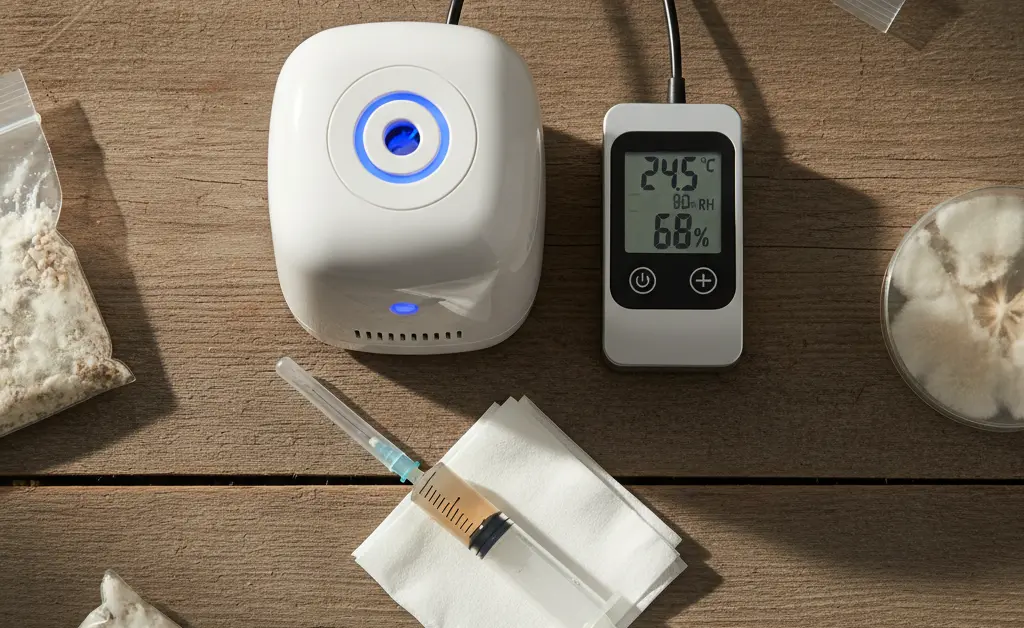
To successfully cultivate Lion’s Mane mushrooms, having the right equipment and supplies is crucial. For those starting with a simple grow kit, many of the essentials are pre-packaged. However, if you plan to explore more advanced methods, you will need to gather a few key items. These typically include a sterilized growing substrate, which is often hardwood sawdust supplemented with nutrients, or a pre-made fruiting block. Inoculation tools, such as syringes for liquid culture or sterile scalpels for tissue culture, are also necessary. Environmental control tools like a humidity tent or a humidifier, a thermometer, and possibly a fan for fresh air exchange are vital for creating ideal fruiting conditions. Containers for substrate preparation and sterilization, like autoclavable bags or jars, will also be required. Having these essential supplies on hand will greatly streamline your efforts in learning how to grow lion’s mane mushroom.
Understanding the Lion’s Mane Growth Cycle and Conditions
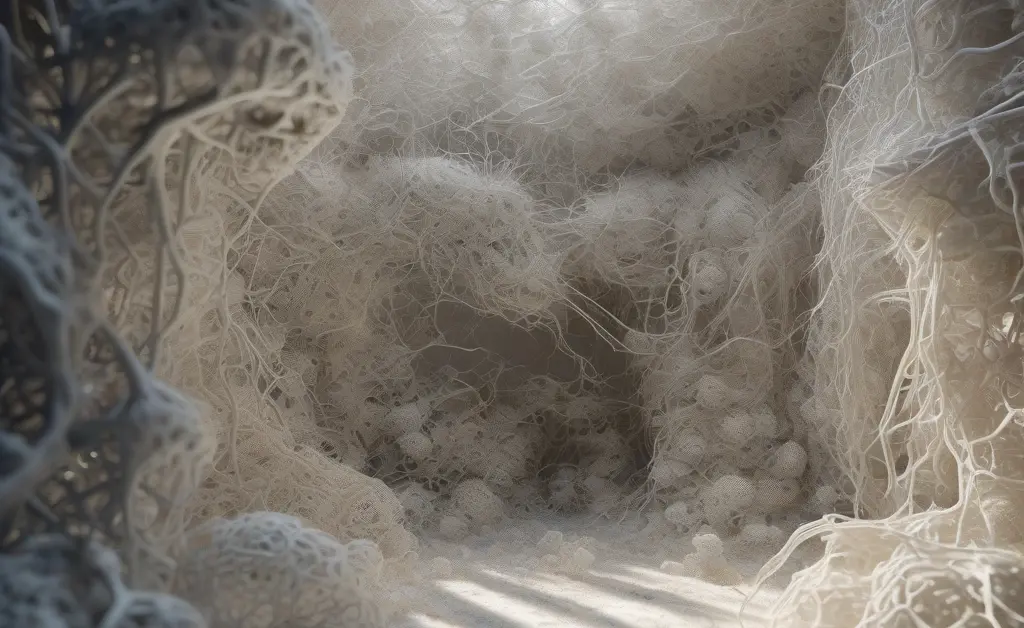
The growth cycle of Lion’s Mane mushrooms, like many fungi, involves distinct phases: inoculation, colonization (mycelial growth), and fruiting. Each stage requires specific environmental conditions to thrive. Initially, the chosen substrate is inoculated with Lion’s Mane spores or mycelium. During the colonization phase, the mycelium spreads throughout the substrate, consuming nutrients and forming a dense network. This phase typically occurs in a dark, warm environment. Once colonization is complete, the substrate is exposed to different conditions, signaling the mushroom to begin forming primordia (pinning) and eventually mature fruiting bodies. Understanding and managing these transitions is paramount for a successful harvest and is central to how to grow lion’s mane mushroom effectively.
Incubation and Fruiting Conditions
The incubation period is when the mycelium colonizes the substrate. During this stage, optimal conditions typically involve consistent, moderate temperatures and a dark environment. The mycelium works to fully integrate with its food source, forming a robust network. Once colonization is complete, the block or substrate is ready for fruiting. Fruiting conditions differ significantly; they require higher humidity, cooler temperatures, and regular fresh air exchange to encourage the formation of primordia, also known as pinning. These tiny mushroom beginnings will then develop into the characteristic cascading teeth of the Lion’s Mane fruiting body. Maintaining high humidity and adequate fresh air exchange are particularly critical during this phase to prevent the delicate pins from drying out and to ensure proper development. These environmental details are crucial, much like understanding specific maitake mushroom growing conditions would be for that species.
Optimal Growing Temperature
Temperature plays a critical role throughout the Lion’s Mane growth cycle. During the incubation and colonization phase, the mycelium prefers a warmer, stable temperature to spread efficiently through the substrate. A consistent environment helps prevent stress and promotes vigorous growth. However, for the fruiting stage, a drop in temperature, often accompanied by increased humidity, acts as a trigger for the formation of pins and subsequent development of the fruiting body. While specific numerical ranges are not provided, it is important to understand that the transition from a warmer colonization temperature to a slightly cooler fruiting temperature is a key environmental cue for successful mushroom production. Fluctuations outside of optimal ranges can significantly impact the speed and success of growth.
Identifying and Preventing Contamination
Contamination is one of the most common challenges in mushroom cultivation. It occurs when unwanted microorganisms, such as molds or bacteria, outcompete the desired Lion’s Mane mycelium. Common signs of contamination include unusual colors (green, black, pink, or blue molds), foul odors, or slime-like textures appearing on the substrate. Prevention is primarily achieved through stringent sterile techniques during substrate preparation and inoculation. This includes sterilizing or pasteurizing the substrate thoroughly, working in a clean environment, and using sterile tools. Proper air filtration, careful handling of cultures, and prompt removal of contaminated blocks can help minimize the risk and protect your other growing efforts. Maintaining hygienic practices is also vital for ensuring the safety and quality of harvested mushrooms, a principle supported by guidelines from organizations like the FDA.
Managing Slow Mycelium Growth
Slow mycelium growth can be a frustrating issue for cultivators. Several factors can contribute to this, including suboptimal temperatures during incubation, a nutrient-poor substrate, or issues with the vigor of the initial culture. To address slow growth, first verify that your incubation temperatures are within the appropriate range for Lion’s Mane. Ensure your substrate is properly hydrated and provides adequate nutrition. If you suspect the culture is weak, consider obtaining a fresh, healthy liquid culture or agar plate. Sometimes, simply ensuring proper fresh air exchange, even during colonization, can help, as mycelium does require some oxygen, though less than fruiting bodies. Patience is also key, as some strains naturally colonize slower than others.
Addressing Low Humidity or Poor Air Exchange
Low humidity and poor air exchange are common environmental issues that can severely impact the fruiting stage of Lion’s Mane. If humidity levels are too low, primordia may dry out and fail to develop into mature fruiting bodies, leading to small or aborted mushrooms. Conversely, insufficient fresh air exchange can cause a buildup of carbon dioxide, resulting in leggy, deformed, or “fuzzy” mushrooms as they stretch for oxygen. Solutions include using a humidity tent, a humidifier, or regularly misting the growing area. For air exchange, a small fan set on a timer or manually fanning the area several times a day can help circulate fresh air, especially in enclosed spaces or grow bags. Balancing these two factors is crucial for healthy development and maximizing your yield.
Step-by-Step Guide: Growing from a Kit
For beginners eager to learn how to grow lion’s mane mushroom, a pre-made grow kit is an excellent starting point. These kits typically come as a sterilized substrate block, often in a bag, already inoculated with Lion’s Mane mycelium. The primary advantage is that much of the complex work, such as substrate preparation and sterilization, has been handled for you. Your main tasks involve preparing the kit for fruiting and maintaining suitable environmental conditions. This usually includes cutting an opening in the bag to expose the colonized block to fresh air, misting regularly to maintain high humidity, and ensuring it is in a location with appropriate light and temperature. Grow kits provide a straightforward path to experiencing the rewarding process of mushroom cultivation.
Choosing a Lion’s Mane Mushroom Grow Kit
When selecting a Lion’s Mane mushroom grow kit, several factors can influence your success and overall experience. Look for reputable suppliers who provide fresh kits, as older kits may have reduced viability or increased risk of contamination. Consider the type of substrate used; hardwood sawdust-based blocks are common and effective for Lion’s Mane. Some kits are designed for specific growing environments, so check if it aligns with your home conditions (e.g., countertop vs. a dedicated grow space). Read reviews to gauge other growers’ experiences with specific brands. A well-chosen kit will set you up for success, making the initial steps of how to grow lion’s mane mushroom both simple and rewarding.
Advanced Methods: Growing from Spores or Culture
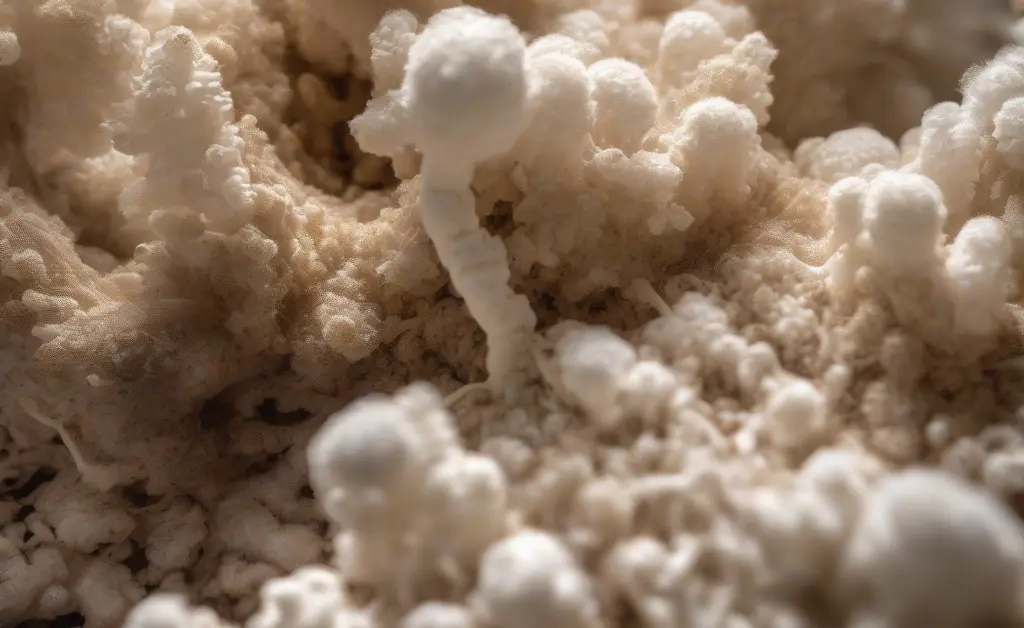
For those who have mastered the grow kit method or wish to take more control over their cultivation process, growing Lion’s Mane from spores or liquid culture offers greater flexibility and potential for larger yields. This approach involves preparing your own substrate, inoculating it with a chosen culture, and managing the entire growth cycle from start to finish. It requires a deeper understanding of sterile techniques, mycology principles, and environmental control. While more labor-intensive, it allows for experimentation with different substrates, strains, and growing parameters, ultimately leading to a more profound understanding of how to grow lion’s mane mushroom and potentially a continuous harvest. Cultivators might also find success applying similar principles to chaga mushroom growing, adapting techniques as needed.
Preparing and Sterilizing Your Substrate
Preparing and sterilizing your substrate is a foundational step in advanced mushroom cultivation. Lion’s Mane thrives on hardwood sawdust, often supplemented with bran or other nitrogen sources. The substrate must be mixed with the correct hydration level before sterilization. Sterilization is critical to eliminate all competing microorganisms, allowing the Lion’s Mane mycelium to colonize without interference. This process typically involves heating the substrate under pressure, such as in a pressure cooker or autoclave, for a specific duration. Alternatively, some growers opt for pasteurization, which reduces the microbial load without eliminating everything, a method often used for straw-based substrates. Proper preparation ensures a clean slate for successful inoculation and colonization.
The Inoculation Process
Inoculation is the controlled introduction of Lion’s Mane spores or mycelium into a sterile substrate. Precision and aseptic technique are paramount during this stage to prevent contamination. If using a liquid culture syringe, a small amount of the culture is injected into the substrate block or bag. For agar cultures, small pieces of colonized agar are transferred. When working with grain spawn, it is mixed thoroughly with the bulk substrate. Regardless of the method, performing inoculation in a clean, still-air environment, such as a glove box or flow hood, is highly recommended to minimize airborne contaminants. Proper inoculation ensures the mycelium has the best chance to successfully colonize its new food source.
Creating Your Own Grain Spawn
Creating your own grain spawn is an intermediate step in advanced mushroom cultivation, serving as an excellent bridge between a liquid culture or spore syringe and a bulk substrate. Grain spawn is essentially sterilized grains (like rye, wheat, or millet) that have been fully colonized by the Lion’s Mane mycelium. It acts as a robust starter, providing numerous inoculation points when mixed with a bulk substrate, thereby speeding up colonization and reducing contamination risks. The process involves hydrating the grains, sterilizing them in jars or grow bags, and then inoculating them with a small amount of liquid culture or an agar wedge. Once fully colonized, this grain spawn is ready to be transferred to your larger fruiting block.
Taking a Tissue Culture Sample
Taking a tissue culture sample is a method of cloning a specific mushroom with desirable traits, such as size, vigor, or yield. This advanced technique involves aseptically removing a small piece of inner tissue from a fresh, healthy Lion’s Mane fruiting body and transferring it to a sterile agar plate. The goal is to isolate the mushroom’s mycelium without introducing any contaminants. Once the mycelium grows out on the agar, it can be expanded to create liquid cultures or further transferred to grain spawn. This allows cultivators to propagate specific genetics, ensuring consistency and potentially improving future harvests. It’s a key step for those looking to develop their own strains or maintain particular characteristics.
Propagating from an Existing Fruiting Block
Propagating from an existing fruiting block is a practical way to extend the life of your Lion’s Mane culture or create new blocks without starting from scratch. Once a fruiting block has produced one or more flushes of mushrooms, it still contains viable mycelium. You can take a small piece of the colonized substrate from the interior of the block, where it is less likely to be contaminated, and use it to inoculate a new, sterilized substrate. This method is similar to taking a tissue culture, but directly from the mycelium-rich block rather than a fruiting body. It’s an efficient way to reuse valuable genetics and maintain a continuous production cycle, reducing waste and maximizing the potential of your established cultures.
Cultivating Lion’s Mane mushrooms at home is a deeply satisfying endeavor that offers both culinary delight and a connection to the natural world. From the simplicity of a grow kit to the precision of advanced methods, each step presents an opportunity for learning and growth. With careful attention to detail, proper environmental control, and a commitment to sterile practices, anyone can achieve a bountiful harvest. Whether for personal consumption or sharing with others, the ability to produce your own fresh Hericium erinaceus is a rewarding skill. By following the guidelines on how to grow lion’s mane mushroom, you empower yourself to enjoy these magnificent fungi right from your home, time and again.
This article is written for general understanding and not for medical decision-making. The content provided is for informational purposes only and should not be considered a substitute for professional medical advice, diagnosis, or treatment. Always consult with a qualified healthcare professional before making any decisions related to your health or incorporating new supplements into your regimen. Individual results from mushroom cultivation may vary.
FAQ
— What are the signs of contamination in a mushroom grow?
Contamination in a mushroom grow often manifests as unexpected colors or textures on the substrate or developing mycelium. Common signs include patches of green, blue, black, or red mold, which indicate competing fungi are present. You might also observe slimy areas, an unpleasant sour odor, or stunted, abnormal mycelial growth that fails to colonize properly. These indicators typically signal the presence of unwanted microorganisms that can outcompete your desired mushroom culture.
— How do you prevent contamination when growing mushrooms?
Preventing contamination is crucial and primarily involves maintaining a sterile environment and practicing meticulous aseptic techniques throughout the cultivation process. This means working with sterilized substrates and equipment in a clean, still air environment, such as a flow hood or glove box, to minimize airborne particles. Practicing good personal hygiene, like washing hands thoroughly and wearing clean clothing, further reduces the introduction of unwanted microbes. These measures collectively establish a strong barrier against competing organisms.
— What is the best way to start a new Lion’s Mane culture?
Starting a new Lion’s Mane culture typically begins by inoculating a sterile agar medium or liquid culture with a clean tissue sample or spores. A common method for how to grow lion’s mane mushroom involves carefully transferring a small piece of tissue from a healthy, fruiting body to a nutrient-rich agar plate in a sterile environment. Once the mycelium establishes itself on the agar, it can then be expanded into liquid culture or grain spawn for further cultivation steps. This aseptic process is fundamental for ensuring a pure and vigorous culture.
— Is it possible to grow Lion’s Mane continuously from one sample?
It is possible to propagate Lion’s Mane for several generations from an initial sample through a process called subculturing or cloning. This involves transferring small pieces of active mycelium to fresh, sterile growth media to encourage continued expansion. However, over many transfers, the mycelium may eventually experience genetic drift or senescence, leading to reduced vigor and fruiting capability. Therefore, while continuous growth is achievable for a significant period, periodically returning to a fresh spore print or tissue culture from a high-quality fruiting body is beneficial to maintain genetic vitality.