
Discovering the natural world often reveals hidden gems that have been cherished for centuries, offering a sense of grounding and simple wellness. Within the realm of Traditional Chinese Medicine (TCM), certain ingredients stand out for their profound yet accessible contributions to health. One such remarkable ingredient is the wood ear mushroom, a fascinating fungus that has long been a cornerstone in TCM practices. Its unique properties and multifaceted benefits have earned it a respected place in the pharmacopoeia, often employed to address imbalances and promote vitality. Exploring the wood ear mushroom benefits in TCM allows us to connect with ancient wisdom and understand how nature’s bounty can support our well-being in gentle, effective ways.
Wood Ear Mushroom Benefits in Traditional Chinese Medicine (TCM)
In Traditional Chinese Medicine, ingredients are not assessed for their vitamins and minerals but for their energetic properties and their effect on the body’s vital energy, or Qi. The wood ear mushroom, known as Hei Mu Er, is highly valued for its gentle yet effective nature. It is considered a key substance for nourishing the body and promoting smooth circulation without being overly stimulating. Other mushrooms, such as those providing enoki mushroom benefits for men, also hold unique places in traditional health practices.
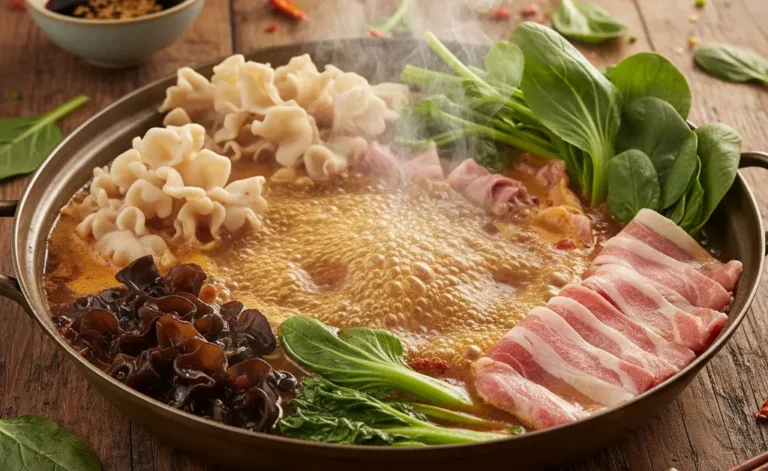
Unlike more potent herbs that might be reserved for acute conditions, the wood ear mushroom is frequently incorporated into daily meals and therapeutic broths. This “food as medicine” approach is central to TCM philosophy, emphasizing prevention and the maintenance of balance. The consistent, gentle action of ingredients like the wood ear mushroom is believed to build a foundation of resilience and health over time. Understanding the complete picture of wood ear mushroom benefits tcm provides a deeper appreciation for its role in holistic wellness practices.
Wood Ear Mushroom’s Energetics (Nature, Flavor, Meridian Tropism) in TCM
- Nature: The mushroom is considered to have a neutral thermal nature. This is a highly desirable quality, as it means the mushroom can be used by a wide variety of people without creating excess heat or cold in the body. It helps to bring the body back to a state of equilibrium.
- Flavor: It has a sweet flavor. In TCM, sweet-flavored foods and herbs are associated with the Earth element and are believed to nourish, harmonize, and moisten the body. The sweet flavor often indicates an ability to tonify Qi and Blood.
- Meridian Tropism: Wood ear mushroom has a special affinity for specific meridian channels, through which Qi flows. It primarily enters the Lung, Stomach, Liver, and Large Intestine meridians. This means its actions are most pronounced in these organ systems, influencing respiratory, digestive, and circulatory functions.
TCM Functions and Indications of Wood Ear Mushroom
Based on its energetic profile, TCM attributes several key functions to the wood ear mushroom. It is traditionally used to address patterns of imbalance related to dryness and stagnation. Its primary functions include nourishing Yin, moistening dryness, cooling Blood, and invigorating Blood to dispel stasis.
Consequently, it is indicated for conditions that TCM diagnoses as arising from these imbalances. For instance, its ability to moisten the Lungs makes it useful for addressing dryness in the respiratory system. Its capacity to nourish Yin and cool Blood is traditionally called upon for certain types of bleeding or heat signs. Furthermore, its well-known ability to invigorate Blood is why it is often associated with promoting healthy circulation and resolving issues related to blood stasis, which TCM views as a root of many kinds of discomfort and imbalance.
Potential Health Benefits of Wood Ear Mushrooms (TCM Perspective)
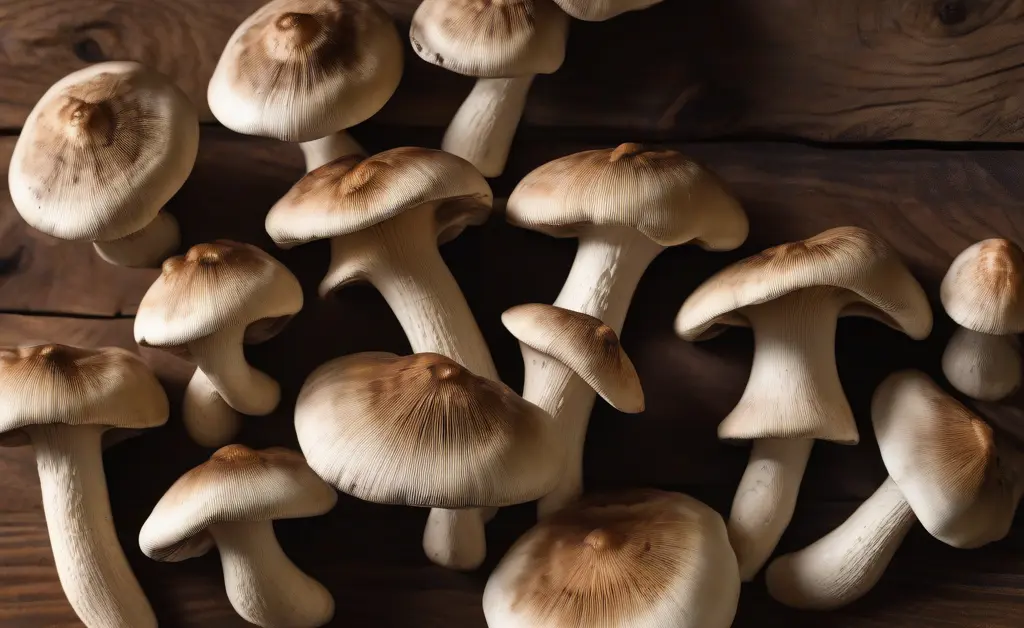
From a TCM perspective, the health benefits of the wood ear mushroom stem directly from its ability to correct specific imbalances in the body’s energetic systems. Its actions are seen as holistic, addressing the root cause of a pattern rather than isolated symptoms. For example, its function of “moistening the Lungs” is not just about respiratory health but also about nourishing the body’s fluids overall, which can manifest as improved skin hydration. Moreover, these nourishing properties can extend to other aspects of well-being, including potential wood ear mushroom benefits for hair.
Similarly, its role in “invigorating Blood and dispelling stasis” is one of its most celebrated attributes. In TCM theory, the free and unobstructed flow of Blood and Qi is paramount to health. When this flow is impeded, a condition known as “stasis” can occur, leading to a variety of health concerns. The unique properties of wood ear mushroom are thought to gently move and regulate Blood, thereby supporting cardiovascular wellness and overall vitality. Some traditional practices even suggest the potential for wood ear mushroom blood thinner, supporting its role in cardiovascular wellness. Exploring the wood ear mushroom benefits tcm reveals a sophisticated approach to maintaining the body’s internal harmony.
Wood Ear Mushroom Cholesterol Benefits
In Traditional Chinese Medicine, the concept of high cholesterol does not exist in the same way as in modern medicine. Instead, its manifestations might be understood as a form of “phlegm,” “dampness,” or “blood stasis” accumulating in the body. From this viewpoint, the potential benefits of wood ear mushroom for supporting healthy cholesterol levels are related to its core functions. For information on general health and wellness from a modern perspective, resources such as the CDC provide valuable guidance.
The mushroom’s ability to invigorate Blood and transform stasis is key. By promoting smooth circulation, it is thought to help prevent the accumulation of turbid substances in the blood vessels. Furthermore, its sweet flavor and neutral nature help to nourish the Spleen and Stomach, the primary organs of digestion and transformation in TCM. A healthy digestive system is better able to process fats and fluids, preventing the formation of dampness and phlegm that could contribute to imbalance. Therefore, wood ear mushroom is not seen as directly “lowering cholesterol” but as supporting the body’s innate ability to maintain balance and clear accumulations.
Wood Ear Mushroom: A TCM Perspective
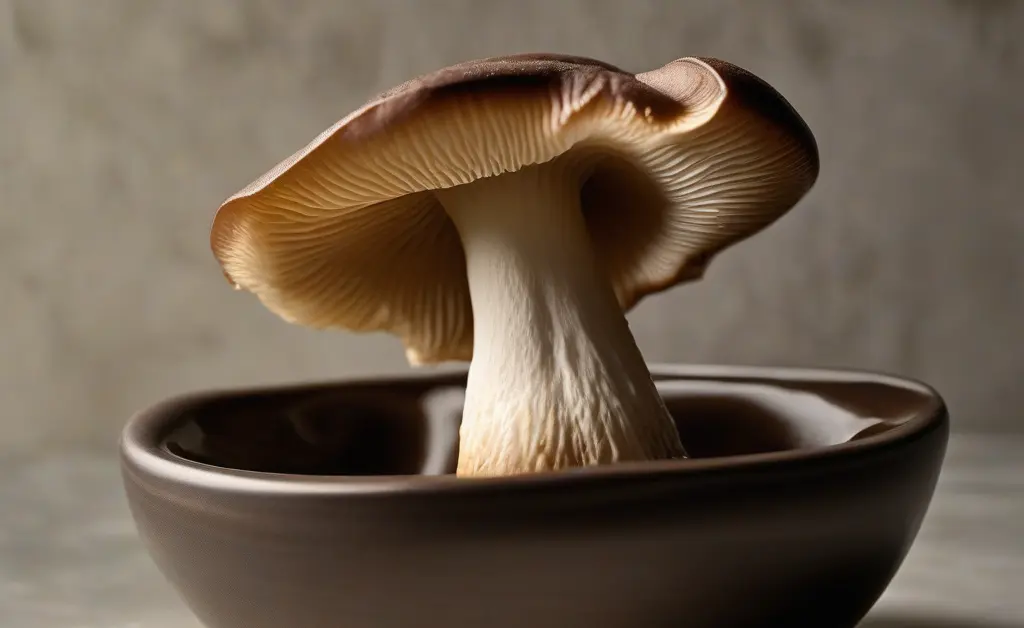
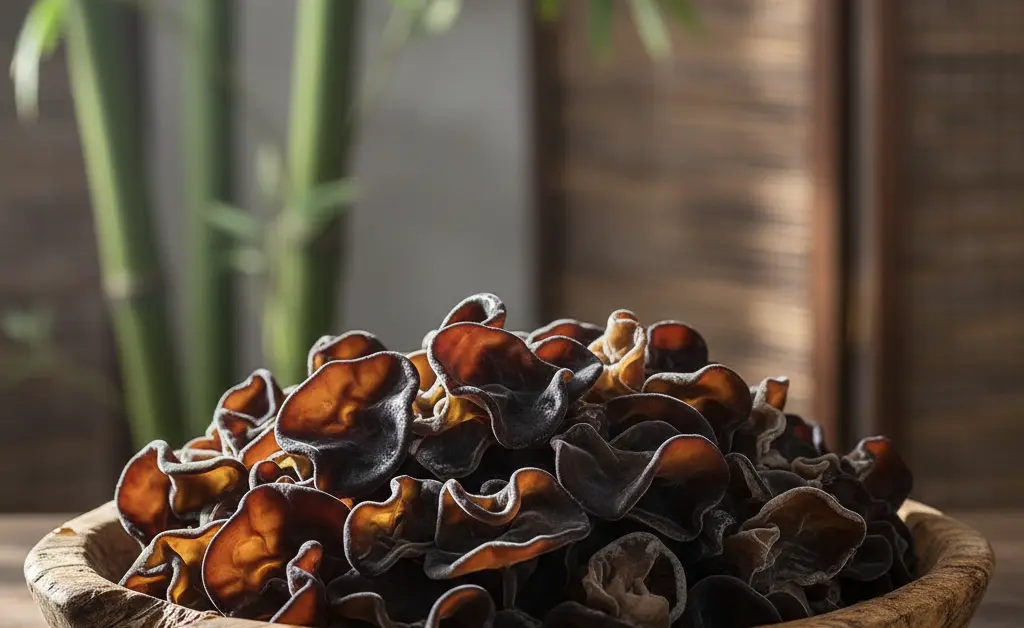
Beyond its specific functions, the wood ear mushroom holds a broader significance within the TCM framework. Its gelatinous texture and dark color are visual cues that hint at its therapeutic actions. The dark color links it to the Water element and the Kidneys, suggesting a deep, nourishing, Yin-building capacity. Its moist, slippery quality is a physical representation of its ability to moisten dryness within the body’s organ systems.
It is often recommended as part of a dietary therapy regimen, especially for those experiencing signs of Yin deficiency, such as dryness, or Blood stasis, which can be related to circulatory issues. Because of its neutral and gentle nature, it combines well with many other foods and herbs, making it a versatile component in promoting health. The application and understanding of wood ear mushroom benefits tcm showcase the TCM principle of using diet to gently guide the body toward a state of lasting balance and well-being. It serves as a classic example of how common foods can be powerful allies in maintaining health when their energetic properties are properly understood and applied.
In essence, the wood ear mushroom is more than just a culinary ingredient in TCM; it is a gentle tonic that nourishes, moistens, and moves. Its respected place in the tradition is a testament to the power of subtle, consistent support for the body’s natural processes of healing and self-regulation. Its continued use for centuries highlights a deep understanding of how nature can support vitality from the inside out.
This information is provided for educational purposes only. It is not intended to be a substitute for professional medical advice, diagnosis, or treatment. Always seek the advice of your physician or other qualified health provider with any questions you may have regarding a medical condition. Never disregard professional medical advice or delay in seeking it because of something you have read in this article.
FAQ
What are the TCM properties of wood ear mushroom?
In Traditional Chinese Medicine (TCM), wood ear mushroom is classified as neutral in thermal property and sweet in flavor. It is understood to be associated with the Lung and Stomach meridians. This classification helps practitioners understand its potential actions within the body’s energetic system.
How does wood ear mushroom benefit TCM?
Within TCM theory, wood ear mushroom is known for its ability to nourish yin and moisten the lungs. It is also recognized for promoting blood circulation and is traditionally used to clear heat and resolve toxicity. These actions contribute to its valued role in maintaining balance.
What is the traditional use of wood ear mushroom?
Traditionally, wood ear mushroom has been employed in TCM to address various imbalances. It was historically utilized to support respiratory health and to manage conditions related to dryness. Its use also extended to promoting general well-being and vitality.
Is wood ear mushroom good for cholesterol in TCM?
While TCM primarily focuses on energetic balance rather than specific biochemical markers like cholesterol, wood ear mushroom’s properties align with supporting cardiovascular health through its dampness-resolving and blood-activating effects. This traditional understanding is now being explored in the context of modern research into wood ear mushroom benefits TCM.