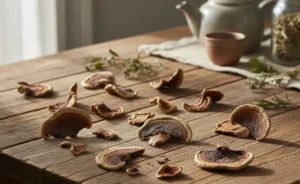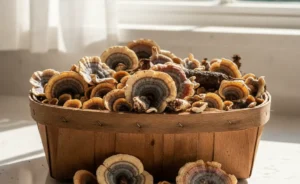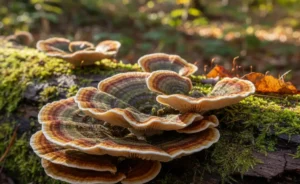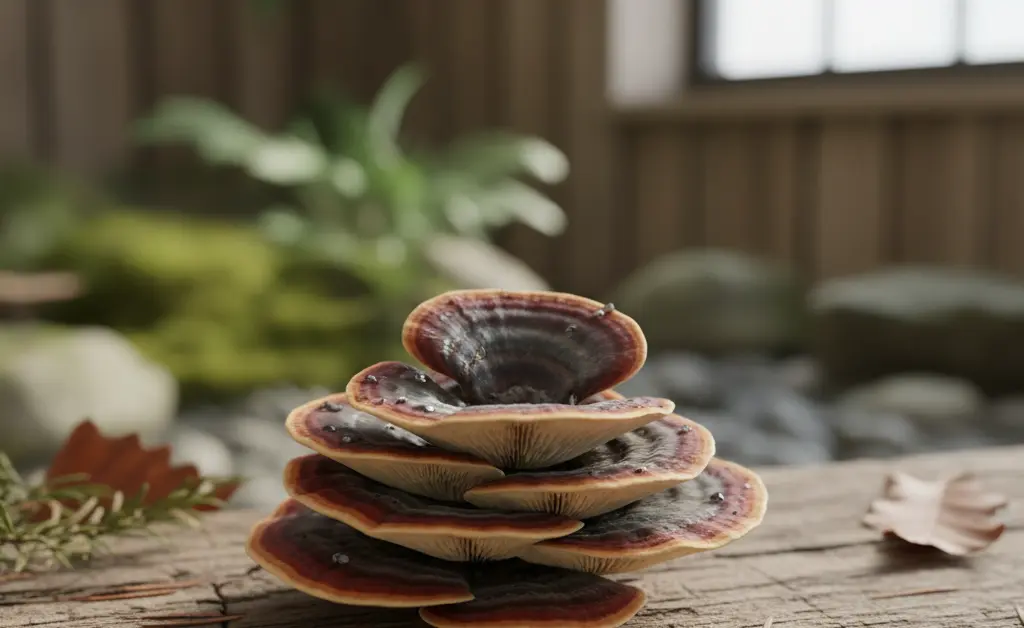
Imagine you’re carefully curating your daily wellness routine, perhaps adding a new ingredient to your morning smoothie or exploring natural health supplements online. You’ve heard about the potential benefits of turkey tail mushrooms and are keen to integrate them into your regimen. As you research different products or consider foraging options, a crucial question might arise: what is the turkey tail mushroom uk legal status? Navigating the regulations surrounding novel foods and natural health products can be complex, especially when considering import, purchase, or even personal cultivation. This article aims to demystify the legal landscape, providing clarity on its availability for personal use, sale, and cultivation within the United Kingdom.
What is the Turkey Tail Mushroom UK Legal Status?
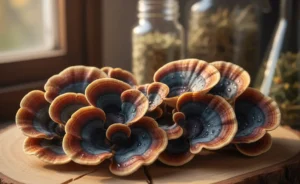
The legal status of the turkey tail mushroom, scientifically known as Trametes versicolor, within the UK is primarily governed by specific food and safety regulations. While not an illegal substance in itself, its classification under the Novel Food Regulations significantly impacts its availability and sale for human consumption. Understanding the nuances of these regulations is crucial for anyone interested in this fascinating fungi, as the turkey tail mushroom UK legal landscape determines how it can be accessed and used.
UK Ban on Turkey Tail and Cordyceps Mushrooms
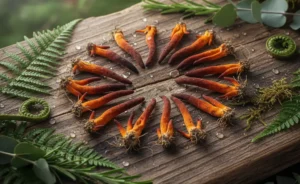
There isn’t an outright “ban” on the possession or cultivation of turkey tail mushrooms or Cordyceps in the UK. Instead, their status as “novel foods” means they cannot be legally sold for human consumption unless they have undergone a specific pre-market authorization process. This often leads to the perception of a ban, as most commercial food supplements or herbal products containing these mushrooms are restricted. The same principle applies to other adaptogen and medicinal mushrooms, creating a complex web of restrictions that affects both consumers and businesses. The term “Cordyceps banned UK” similarly refers to these novel food restrictions rather than an outright prohibition of the fungi itself.
Understanding UK Regulations on Turkey Tail Mushrooms
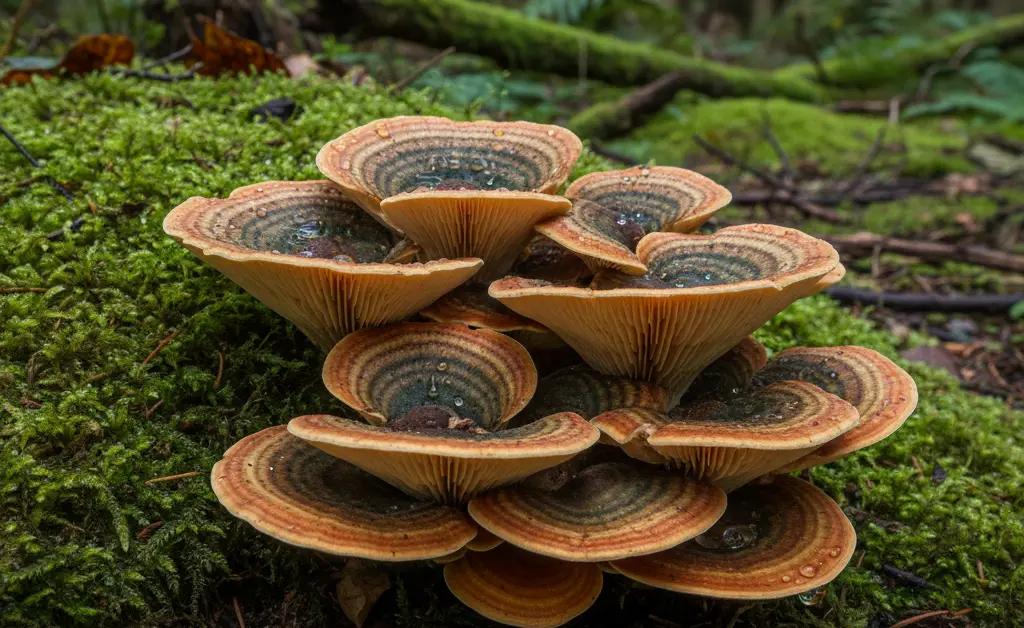
The regulatory framework in the UK categorizes various food products to ensure consumer safety and informed choices. For fungi like the turkey tail mushroom, UK regulations are particularly strict when it comes to novel foods, which are foods that were not widely consumed by humans in the European Union before May 1997. Since the UK adopted these regulations, they continue to shape the market for new or traditional ingredients that haven’t met historical consumption thresholds.
Why Turkey Tail Mushrooms are Regulated in the UK
Turkey tail mushrooms are regulated primarily because they fall under the definition of a “novel food” within the UK. This classification means that historically, there wasn’t a significant pattern of human consumption of Trametes versicolor as a food item or food supplement in the UK or the EU prior to May 1997. The purpose of the Novel Food Regulations is to ensure that all new food products entering the market are safe for consumers and adequately labelled. Without a robust history of consumption, novel foods, including various medicinal mushrooms, must undergo a rigorous authorization process, often overseen by authorities like the Food Standards Agency (FSA) and in some cases, the Medicines and Healthcare products Regulatory Agency (MHRA) if claims shift towards medicinal uses. For general health information, resources like the NHS provide valuable guidance.
Impact of Novel Food Regulations on Turkey Tail in the UK
The Novel Food Regulations have a profound impact on the availability of turkey tail mushroom products in the UK. For a product containing turkey tail to be legally sold for human consumption, a company must submit an application to the FSA, providing comprehensive scientific evidence demonstrating its safety. This process is often lengthy and expensive, requiring data on composition, nutritional value, potential allergenic properties, and how the food is metabolized in the body. Consequently, many businesses choose not to pursue authorization, leading to a limited market for commercial turkey tail food supplements. This regulatory hurdle directly defines the turkey tail mushroom UK legal landscape for commercial sales.
Legality of Selling Turkey Tail Mushroom Products in the UK
The legality surrounding the sale of turkey tail mushroom products in the UK is largely determined by their classification under Novel Food Regulations. While the mushroom itself isn’t illegal to possess, its commercial sale for human consumption without proper authorization is prohibited, creating significant selling restrictions for retailers and businesses.
Are Turkey Tail Mushrooms Banned for Sale in the UK?
Turkey tail mushrooms are not explicitly “banned” for sale outright, but their sale for human consumption as a food or food supplement is heavily restricted in the UK. This restriction stems from their classification as a Novel Food. Until a specific turkey tail product receives authorization from the Food Standards Agency (FSA), it cannot be legally marketed or sold for people to eat or drink. This means that while you might find products marketed for other uses, those explicitly sold as herbal products or food supplements intended for human ingestion are non-compliant unless they have gone through the stringent Novel Food authorization process. This complex framework impacts the overall turkey tail mushroom UK legal market.
Selling Turkey Tail for Human Consumption vs. Other Uses
The distinction between selling turkey tail for human consumption and other uses is crucial in understanding UK law. While selling turkey tail products as food supplements or ingredients for human consumption is subject to Novel Food Regulations, sales for non-consumptive purposes may operate under different rules. For example, dried turkey tail mushrooms might be sold for ornamental purposes, or for scientific research, without falling under the same stringent food safety legislation. However, any indication or suggestion that the product is intended for human ingestion, even implicitly, can trigger the Novel Food requirements. Retailers must be very clear about the intended use of their products to avoid breaching compliance requirements.
Specific Rules for Pet Food Products Containing Turkey Tail
Interestingly, the rules for pet food products containing turkey tail can differ significantly from those for human consumption. Pet food regulations, while still strict regarding safety and labelling, do not necessarily operate under the same Novel Food framework that applies to human food. Manufacturers of “Turkey Tail Mushroom for dogs UK” or other pet supplements must still ensure their products are safe, properly labelled, and comply with all relevant animal feed legislation, but the initial barrier of Novel Food authorization is often not applicable. This creates a potential avenue for businesses to operate within a less restrictive regulatory environment for pet products.
Compliance Requirements for UK Retailers and Businesses
UK retailers and businesses looking to sell turkey tail mushroom products must navigate a complex landscape of compliance. This includes understanding the precise classification of their product (e.g., food, supplement, non-food item), adhering to Novel Food Regulations for human consumption, and ensuring all labelling and marketing materials are accurate and not misleading. Claims about health benefits must be authorized under specific nutrition and health claims legislation, which is also rigorous. Businesses found to be non-compliant face severe penalties, including fines and product recalls. Therefore, thorough legal advice and a robust understanding of UK law are essential before marketing any turkey tail products. Consumers often wonder about the availability of turkey tail mushroom UK Holland and Barrett offerings.
Personal Use and Cultivation of Turkey Tail Mushrooms in the UK
For individuals, the situation regarding the turkey tail mushroom UK legal status for personal use and cultivation is generally more straightforward than for commercial sales. While selling it for consumption is restricted, personal activities tend to fall outside the scope of Novel Food Regulations, as long as they don’t involve commercial distribution. Many individuals are keenly interested in the potential turkey tail mushroom UK benefits, driving its popularity.
Can You Legally Buy Turkey Tail for Personal Use?
The legality of buying turkey tail mushrooms for personal use in the UK is somewhat nuanced. While it’s generally not illegal to possess turkey tail mushrooms, finding products explicitly marketed for human consumption can be challenging due to Novel Food Regulations. Consumers may encounter products labelled for “research purposes” or “botanical interest” rather than as food supplements. Some individuals might also purchase dried mushrooms from international sellers, but this then introduces complexities related to import rules and customs, which we will discuss later. Consumers should be aware that even if they can buy such products, their safety and quality are not guaranteed by UK food safety standards unless they are authorized novel foods.
Is it Legal to Cultivate Turkey Tail Mushrooms at Home?
Yes, it is generally legal to cultivate turkey tail mushrooms (Trametes versicolor) at home in the UK for personal use. Unlike some other fungi, turkey tail is not classified as a controlled substance, nor are there specific laws prohibiting its growth for non-commercial purposes. Many enthusiasts enjoy growing various types of Fungi, and turkey tail identification UK guides are readily available for those interested in mycology. Cultivating mushrooms at home does not fall under the Novel Food Regulations, as these apply to placing food products on the market, not to private consumption from home-grown sources. This allows individuals to explore the growth of this medicinal mushroom without legal repercussions, provided it’s solely for personal use and not for commercial sale for human consumption.
Personal Use of Foraged Turkey Tail Mushrooms
Foraging for turkey tail mushrooms in the UK for personal use is also generally permissible, provided you have permission to forage on the land and you adhere to responsible foraging practices. It’s crucial for foragers to be absolutely certain about turkey tail mushroom identification UK, as misidentification can lead to consuming toxic fungi. While foraging for personal consumption is allowed, selling foraged turkey tail mushrooms for human consumption would once again trigger the Novel Food Regulations and would therefore be illegal without the necessary authorization. As with home cultivation, personal foraging for private consumption does not fall under the commercial restrictions that define the turkey tail mushroom UK legal status for retailers.
Importing Turkey Tail Mushroom Products into the UK
Importing turkey tail mushroom products into the UK, whether for personal or commercial use, is subject to specific rules and customs regulations. These rules are designed to control the entry of goods and ensure compliance with UK law, including the Novel Food Regulations.
Rules for Personal Importation of Turkey Tail
For individuals looking to personally import turkey tail products, the rules can be ambiguous. While small quantities for personal use might sometimes pass through customs without issue, technically, if the product is intended for human consumption and hasn’t received Novel Food authorization, its entry into the UK could be challenged. Customs officials have the authority to seize goods that do not comply with UK import rules or food safety legislation. It’s important to remember that purchasing from an overseas vendor does not exempt the consumer from UK law. Therefore, individuals attempting to import turkey tail mushroom products for personal consumption are operating in a grey area, and there’s a risk of the goods being confiscated or destroyed at the border. Understanding the turkey tail mushroom UK legal framework for imports is essential to avoid complications.
Commercial Import Challenges and Customs Regulations
Commercial importation of turkey tail mushroom products into the UK faces significant challenges, primarily due to the Novel Food Regulations. Any business seeking to import turkey tail for sale as a food supplement or food ingredient for human consumption must ensure that the product has undergone and successfully passed the Novel Food authorization process. Without this, the goods will not be permitted entry and will be rejected or seized by customs. Importers must be prepared to provide extensive documentation, including proof of Novel Food authorization, details of the product’s composition, and origin. Beyond Novel Food status, standard customs regulations regarding duties, taxes, and proper classification of goods also apply. Navigating these commercial import challenges requires a deep understanding of UK legislation and often necessitates seeking advice from legal and import specialists to ensure full compliance and a clear turkey tail mushroom UK legal pathway.
The legal status of turkey tail mushrooms in the UK is largely shaped by the Novel Food Regulations, which restrict their sale for human consumption without specific authorization. While personal cultivation and foraging for private use are generally permissible, commercial sales and importation face significant hurdles. Consumers and businesses alike must navigate these complex rules to ensure compliance with UK law regarding this increasingly popular medicinal mushroom. Understanding these distinctions is key to appreciating why certain turkey tail products are available while others remain scarce on the UK market.
This information is provided for educational purposes only. It is not intended as a substitute for professional legal advice or medical consultation. Always consult with a qualified legal professional for advice regarding specific laws and regulations, and with a healthcare provider for any health concerns or before making any decisions related to your health or treatments. The content provided should not be used to self-diagnose or treat a health problem or disease.
FAQ
— Is turkey tail mushroom legal to buy in the UK?
The legal status of turkey tail mushroom for human consumption in the UK is primarily governed by the Novel Food Regulations. These regulations classify substances not widely consumed before May 1997 as ‘novel’, requiring pre-market authorisation. Consequently, while the **turkey tail mushroom UK legal** status for certain uses may vary, its direct sale as a food or food supplement for human consumption without specific approval is not permitted.
— Why are turkey tail mushrooms restricted for human consumption in the UK?
Turkey tail mushrooms are restricted for human consumption in the UK due to their classification under the Novel Food Regulations. These regulations apply to any food or food ingredient that was not consumed to a significant degree by people in the EU before May 1997. To be legally sold as a food or supplement, a novel food must undergo a safety assessment and receive specific authorization.
— Can I sell turkey tail mushroom products in the UK?
Selling turkey tail mushroom products for human consumption in the UK is generally not permitted without specific authorization under the Novel Food Regulations. This means that any product intended as a food, food supplement, or ingredient needs to have undergone a rigorous safety assessment. Without such approval, businesses face significant legal restrictions on their sale for human use.
— What are the Novel Food Regulations relevant to turkey tail mushrooms in the UK?
The Novel Food Regulations are a set of rules designed to ensure the safety of new food products before they enter the market. For turkey tail mushrooms, these regulations mean that because they were not widely consumed in the EU before May 1997, they are considered a “novel food.” This designation necessitates a pre-market authorization process, including a scientific safety assessment, for their sale as food for human consumption.
— Is it legal to import turkey tail mushrooms for personal use into the UK?
Importing turkey tail mushrooms for personal use can be ambiguous due to the Novel Food Regulations. While personal quantities might not trigger commercial import scrutiny, the underlying restrictions on novel foods for human consumption still apply. Individuals should be aware that importing novel foods without authorization, even for personal use, could lead to issues if the product is deemed for human consumption.
— Can turkey tail mushroom be legally sold as pet food in the UK?
The legal framework for selling ingredients for pet food differs from that for human consumption. While specific regulations apply to pet food products, the Novel Food Regulations primarily pertain to human foodstuffs. Therefore, selling turkey tail mushroom as an ingredient in pet food involves a separate set of considerations, focusing on its safety and suitability for animals.