Just as a simple homemade soup offers a comforting warmth distinct from its canned counterparts, a well-crafted ramen bowl brings an unparalleled depth of flavor. This guide focuses on elevating a beloved comfort food, moving beyond quick fixes to deliver a truly authentic and nourishing meal. We will demystify the process of creating a delicious shiitake mushroom ramen, transforming accessible ingredients into a restaurant-quality experience in your own kitchen. This comprehensive recipe and technique breakdown aims to empower home cooks to explore rich, umami-packed flavors, ensuring a satisfying and memorable culinary adventure from start to finish.
Why You’ll Love Shiitake Mushroom Ramen
There’s a unique satisfaction that comes from a bowl of homemade ramen, especially one centered around the earthy, savory goodness of shiitake mushrooms. This dish transcends a quick meal, offering a hearty and deeply flavored experience that nourishes both body and soul. The inherent umami of shiitake mushrooms forms the backbone of the broth, creating a richness that is both comforting and sophisticated. For those seeking a delicious vegetarian or vegan option, or simply looking to incorporate more plant-based ingredients into their diet, this bowl of shiitake mushroom ramen offers a fulfilling solution without compromising on taste. It’s a versatile dish that celebrates fresh ingredients and thoughtful preparation, proving that restaurant-quality flavors are entirely achievable at home.
Key Ingredients for Your Flavorful Bowl
Crafting an exceptional bowl begins with selecting the right components. Each ingredient plays a vital role in building the layers of taste and texture that define a memorable ramen experience. From the foundational mushrooms to the delicate garnishes, understanding your choices is key to achieving a truly flavorful bowl. Ensuring the quality and safety of your ingredients is paramount, as emphasized by organizations like EFSA.
Fresh vs. Dried Shiitake Mushrooms
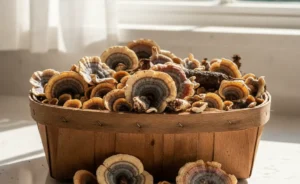
Shiitake mushrooms are the star of this dish, and you have the option of using either fresh or dried varieties, each offering distinct advantages. Fresh shiitake mushrooms provide a tender texture and a milder, subtly earthy flavor that integrates beautifully into the broth and as a topping. Dried shiitake mushrooms, however, are renowned for their concentrated umami punch. When rehydrated, they release a deeper, more intense mushroom flavor into the soaking liquid, which can then be incorporated into your broth for an extra layer of savory depth. Many prefer to use a combination, enjoying the freshness of one while harnessing the powerful flavor of the other.
Choosing Your Ramen Broth Base
The broth is the soul of any ramen, and for a shiitake-focused recipe, a vegetarian-friendly base is ideal. A traditional dashi, made with kombu and dried shiitake, forms a light yet profoundly umami foundation. Alternatively, vegetable stock can serve as a robust base, offering a comforting and familiar flavor. Enhancements like a touch of soy sauce, mirin, and miso paste can further deepen the savory profile, creating a complex and satisfying liquid that binds all the elements of your ramen together. Consider adding a hint of ginger and garlic to your broth for aromatic complexity.
Noodle Selection: Traditional & Quick Alternatives
The noodles are integral to the ramen experience. Traditional ramen noodles, often found fresh or dried in Asian markets, provide the authentic chewy texture that perfectly complements the rich broth. They are typically made from wheat flour, water, and kansui (an alkaline mineral water) which gives them their distinctive springiness. For a quicker alternative, many instant ramen noodle packets can be adapted; simply discard the seasoning packet and use the plain noodles. Other options include soba or udon noodles, which offer different textures and flavors that can customize your bowl to your preference.
Flavor Boosters & Garnishes
Garnishes not only add visual appeal but also introduce fresh textures and vibrant flavors that complete the ramen bowl. Scallions, thinly sliced, offer a crisp, pungent contrast. Sheets of nori, shredded or cut, provide a hint of the sea. Blanched bok choy or spinach adds a tender green element. Other popular additions include corn kernels for sweetness, edamame for a pop of protein, or a drizzle of sesame oil or chili oil for added aroma and heat. These small additions elevate the overall experience, turning a simple soup into a masterful creation.
Shiitake Mushroom Ramen: The Ultimate Recipe
Embark on creating your ultimate shiitake mushroom ramen with this comprehensive approach, focusing on building layers of umami and texture. This recipe emphasizes thoughtful preparation and the quality of ingredients, guiding you through each stage to achieve a bowl that is both deeply satisfying and incredibly flavorful. From preparing your savory shiitake mushrooms to perfecting the rich broth, every step contributes to a harmonious culinary experience. This method ensures that even without precise measurements, the balance of flavors will shine through, allowing the natural goodness of the ingredients to speak for themselves in your delicious shiitake mushroom ramen. For more delicious shiitake mushroom recipes, explore further culinary inspiration.
Step-by-Step Guide to Crafting Shiitake Mushroom Ramen
Crafting a truly memorable bowl of ramen is a journey of patience and layering flavors. Follow these steps to craft a perfect shiitake mushroom ramen, ensuring each component is prepared to its peak before coming together in a harmonious bowl.
Preparing Your Ingredients
Begin by gently cleaning your fresh shiitake mushrooms and slicing them, or rehydrating dried shiitake in warm water. Consider preparing your shiitake mushroom air fryer style for a crispy texture. Prepare any other vegetables like bok choy or scallions by washing and chopping them appropriately. For the broth, have your aromatic vegetables like ginger and garlic ready, along with your chosen stock or dashi components. If using protein like tofu, press and slice it, and prepare soft-boiled eggs if desired.
Building the Flavorful Broth
The broth is the heart of your ramen. Start by sautéing aromatics like minced ginger and garlic until fragrant. Add your chosen broth base, such as vegetable stock or rehydrated shiitake soaking liquid, along with kombu if making dashi. Allow the broth to simmer gently, infusing all the flavors. Incorporate elements like soy sauce, mirin, and a touch of miso paste, stirring until fully dissolved. Taste and adjust for savory depth, aiming for a rich, umami-packed liquid that will coat your palate beautifully.
Cooking the Noodles to Perfection
Ramen noodles should be cooked just before serving to maintain their ideal texture. Bring a separate pot of water to a rolling boil. Add your chosen ramen noodles and cook according to package directions, typically only for a few minutes. They should be tender but still have a slight chewiness, known as *al dente*. Drain them well immediately after cooking to prevent them from becoming overcooked or soggy. Do not rinse the noodles unless specified by the package, as the starch helps the broth cling to them.
Assembling Your Ramen Bowl
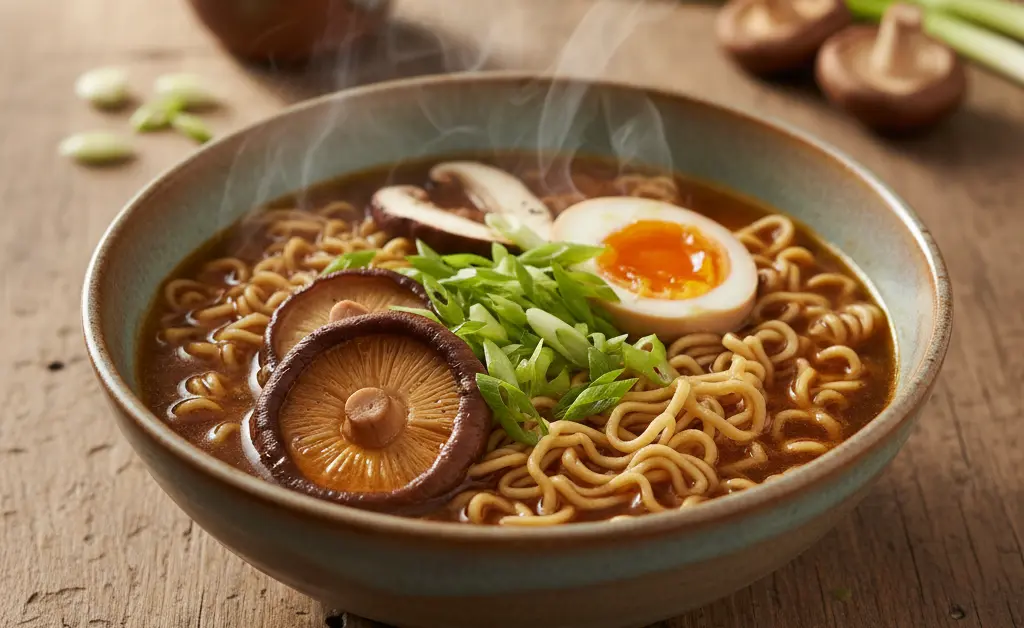
Once all components are ready, it’s time to assemble. Place a generous portion of cooked noodles into a deep ramen bowl. Ladle the hot, flavorful broth over the noodles, ensuring they are well submerged. Arrange your cooked shiitake mushrooms on top, along with any other desired toppings such as blanched bok choy, scallions, nori, or a perfectly soft-boiled egg. A final drizzle of sesame oil or a sprinkle of chili oil can add a beautiful finish and extra dimension of flavor. Serve immediately to enjoy the fresh, hot experience.
Tips for Perfecting Your Homemade Ramen
Achieving a truly exceptional homemade ramen involves attention to detail and a willingness to experiment. These tips can help elevate your bowl from good to outstanding, ensuring a satisfying experience every time you prepare ramen.
Achieving the Ideal Noodle Texture
The texture of your noodles is paramount to a great ramen. Overcooked noodles can become mushy, detracting from the entire experience. To achieve the ideal springy and chewy texture, always cook noodles separately from the broth, in their own pot of boiling water. Follow the package instructions closely, but err on the side of slightly undercooking, as they will continue to cook slightly when added to the hot broth. Serve them immediately after cooking to prevent them from sitting and softening further.
Don’t Forget the Garnishes!
Garnishes are not merely decorative; they add critical layers of flavor, texture, and visual appeal that complete your ramen. Fresh scallions provide a sharp, crisp contrast, while toasted nori adds a delicate oceanic umami. Consider adding a dash of chili oil for heat, a drizzle of toasted sesame oil for nuttiness, or a sprinkle of toasted sesame seeds. Vegetables like blanched bok choy, spinach, or corn add freshness and color. A perfectly prepared soft-boiled egg, with its creamy yolk, is also a classic and highly recommended addition, bringing richness and protein. These small touches significantly enhance the overall enjoyment of your homemade ramen.
Variations & Customizations for Your Ramen
One of the joys of cooking is the ability to customize a dish to suit individual preferences and dietary needs. Exploring variations allows you to tailor your shiitake mushroom ramen, making it uniquely yours and ensuring it can be enjoyed by everyone.
Making it Vegan or Vegetarian
This recipe naturally leans towards being vegetarian, and with a few simple considerations, it can be entirely vegan. Ensure your chosen broth base is purely vegetable-derived, avoiding any dashi that includes bonito flakes. For toppings, focus on an abundance of fresh shiitake mushrooms, other vegetables like bok choy or corn, and plant-based proteins such as firm tofu. Miso paste and soy sauce are excellent vegan umami sources that enhance the depth of flavor without animal products. Nutritional yeast can also be a surprising addition for a cheesy, savory note.
Adding Protein: Tofu, Egg, or Chicken
While the shiitake mushrooms provide a satisfying depth, you can easily boost the protein content of your ramen. For a vegetarian option, a soft-boiled egg with a jammy yolk is a classic addition, offering a rich creaminess. Fried or grilled tofu, marinated in soy sauce and ginger, makes an excellent plant-based protein. For those who prefer meat, thinly sliced cooked chicken or pork chashu can be added to the bowl. The key is to prepare these proteins separately and add them as a topping just before serving, preserving their texture and flavor. Alternatively, a shiitake mushroom stir-fry can be a flavorful side dish.
Spicy Kicks and Other Flavor Adjustments
Personalizing the flavor profile of your ramen allows for endless creativity. For those who enjoy a bit of heat, a swirl of chili oil or a spoonful of sriracha can add a delightful spicy kick. A dash of rice vinegar can introduce a subtle tanginess that brightens the broth. For an extra layer of richness, consider a small dollop of toasted sesame paste or a sprinkle of white pepper. Experiment with different types of miso paste—white, red, or mixed—to achieve varying levels of savory depth. These adjustments ensure your ramen is perfectly suited to your palate. These delicious mushrooms are also excellent in shiitake mushroom recipes for steak.
Serving & Storing Your Shiitake Mushroom Ramen
To fully appreciate the nuanced flavors of your homemade ramen, it’s best enjoyed fresh and hot. The textures of the noodles and garnishes are at their peak immediately after assembly. Serve your ramen in large, deep bowls to allow for easy mixing of ingredients and to keep the broth warm.
If you have leftover components, it’s generally best to store the broth, cooked noodles, and toppings separately. The broth can be refrigerated in an airtight container for a few days. Cooked noodles tend to soften over time in the broth, so storing them separately in a sealed container and reheating them briefly in boiling water just before serving will maintain their texture. Fresh garnishes, like scallions and nori, are best added right before consumption. This approach ensures that any reheated ramen maintains its quality and deliciousness, offering a quick and satisfying meal for another occasion.
This information is provided for educational purposes only. It is not intended to be a substitute for professional culinary advice or guidance. Always exercise caution and follow proper food safety practices when preparing meals. Individual dietary needs and preferences may vary, and consultation with a qualified professional is recommended for personalized advice.
FAQ
— How do you prepare shiitake mushrooms for ramen?
For ramen, shiitake mushrooms are typically cleaned by wiping them gently and then carefully removing their tough stems. The caps can then be sliced evenly, often into thin strips, which helps them cook quickly and absorb the broth’s flavors. This preparation ensures a tender texture and allows the mushroom’s savory notes to integrate well into the dish.
— What kind of noodles are best for shiitake mushroom ramen?
Traditional ramen noodles, known for their springy texture and ability to absorb broth, are generally considered ideal. Their alkaline composition contributes to their unique chewiness, providing a satisfying contrast to the tender mushrooms. However, udon noodles offer a thicker, chewier alternative, while soba noodles provide a distinct nutty flavor if a different profile is desired.
— Can shiitake mushroom ramen be made vegan?
Yes, this dish can easily be made vegan by carefully selecting the broth and toppings. A vegetable or mushroom-based broth provides an excellent foundation, often enhanced with ingredients like kombu and dried shiitake for deep umami. Ensuring other additions like tofu, scallions, and nori are used will maintain its plant-based nature.
— What ingredients can be added to shiitake mushroom ramen?
Complementary additions include a variety of vegetables such as bok choy, corn, and bamboo shoots, which add texture and freshness. Tofu or tempeh can be incorporated for protein, while aromatics like grated ginger and garlic deepen the flavor profile. Finally, garnishes like scallions, toasted sesame seeds, and a sheet of nori enhance both taste and presentation.
— How long does it take to cook shiitake mushroom ramen?
The total preparation and cooking time for this dish can vary depending on whether you are making broth from scratch or using a pre-made base. Once a flavorful broth is ready, the actual cooking of the noodles and shiitake mushrooms is quite rapid, often taking less than 15 minutes. This makes it a relatively quick meal to assemble.
— Can dried shiitake mushrooms be used in ramen?
Absolutely, dried shiitake mushrooms are an excellent choice for ramen and are highly valued for their concentrated umami flavor. They need to be rehydrated in warm water until plump before slicing, which also yields a flavorful soaking liquid. This liquid can then be incorporated into the ramen broth to further enrich its depth and complexity.
— What is the best broth base for shiitake mushroom ramen?
An outstanding broth base for this dish typically starts with a rich dashi or a robust vegetable broth to build layers of flavor. Infusing the broth with additional elements like miso paste, soy sauce, and a touch of mirin will enhance its savory depth. The interplay of these elements creates a rich and satisfying shiitake mushroom ramen.