Exploring the versatile applications of porcini mushrooms within Chinese culinary traditions provides a unique opportunity to deepen one’s understanding of both ingredients and techniques. This guide aims to demystify how this highly prized fungus is integrated into various dishes, offering practical insights for home cooks and food enthusiasts alike. Learning about the specific preparation methods and flavor profiles associated with porcini mushroom in chinese cooking can elevate your gastronomic experiences. From traditional stir-fries to sophisticated broths, appreciating its role allows for a more nuanced approach to preparing authentic Chinese meals and understanding regional variations. This article will navigate its cultural significance, common preparations, and popular recipes, ensuring a comprehensive overview for anyone looking to incorporate this distinct ingredient.
Understanding Porcini Mushroom in Chinese
Often recognized by its scientific name, Boletus edulis, the porcini mushroom is a revered ingredient in many cuisines worldwide, including Chinese. In China, it is frequently referred to as 牛肝菌 (niúgānjùn), which translates literally to “ox liver mushroom,” a nod to its robust, meaty texture and appearance. This prized fungus is celebrated for its distinctive earthy aroma and rich umami flavor, which can significantly enhance the complexity of a dish. The presence of porcini mushroom in Chinese dishes is often a sign of quality and culinary sophistication, highlighting its status as a sought-after delicacy.
Dried porcini mushroom in Chinese
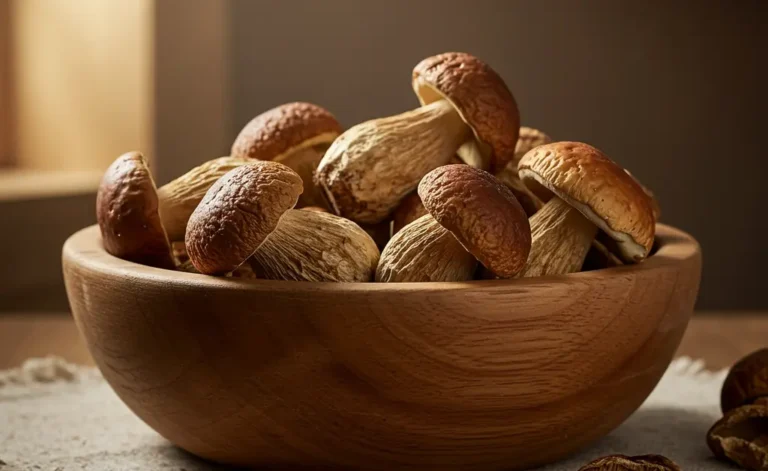
While fresh porcini are highly seasonal, dried porcini mushrooms play a pivotal role in Chinese cooking, offering a concentrated burst of flavor and aroma that is often preferred for specific preparations. The drying process intensifies their earthy notes and umami depth, making them a powerful ingredient in broths, braises, and stir-fries. Before use, dried porcini mushrooms typically require rehydration. This involves soaking them in warm water until plump and tender. The flavorful soaking liquid, once strained to remove any grit, is often incorporated into the dish as it carries much of the mushroom’s essence, contributing to the overall flavor profile of the final Chinese meal.
Porcini Mushrooms in Chinese Cuisine: Overview and Cultural Context
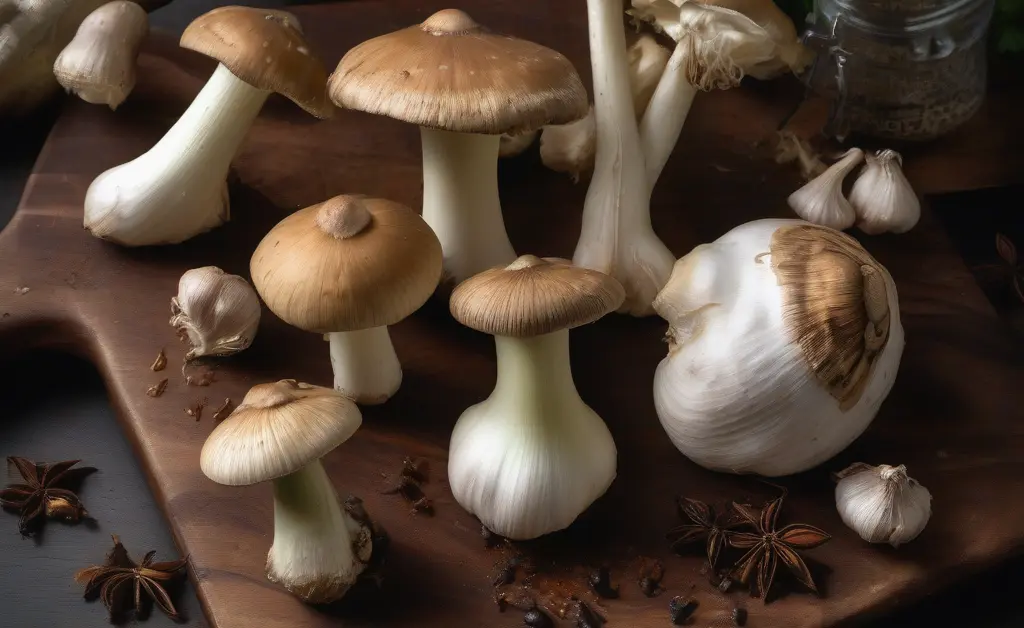
The integration of porcini mushroom in Chinese cuisine goes beyond simple ingredient substitution; it reflects a deep appreciation for its unique characteristics and versatility. Its rich, savory notes are particularly well-suited to the intricate balance of flavors found in many traditional Chinese dishes. From humble home cooking to elaborate restaurant menus, porcini mushrooms hold a special place, often celebrated for their ability to transform a dish with their distinct earthy essence. Many culinary enthusiasts are curious about the common names for porcini mushroom in English.
Cultural Context of Porcini in Chinese Cuisine
The culinary use of porcini mushrooms, or 牛肝菌, is deeply rooted in certain regions of China, most notably the mountainous province of Yunnan. This area is renowned for its abundant variety of wild mushrooms, and porcini are among the most esteemed. Traditionally, these fungi are not just seen as food but are also valued for their perceived health benefits, often appearing in traditional seasonal dishes designed to nourish the body. Their collection and preparation are often part of a seasonal ritual, emphasizing a connection to nature and sustainable harvesting practices. The strong, earthy flavor and meaty texture make them a popular choice, particularly during the autumn months when they are most plentiful. Understanding the porcini mushroom origin helps to appreciate its journey into various cuisines.
Porcini mushroom in Chinese restaurants
In Chinese restaurants, porcini mushrooms are frequently featured as a premium ingredient, often highlighting their exquisite flavor in signature dishes. Chefs utilize them in a range of preparations, from luxurious stir-fries to deeply flavored braised dishes and aromatic hot pots. Their robust flavor holds up well against strong seasonings and other ingredients, making them a versatile component in diverse culinary creations. Diners often seek out dishes that showcase this specific mushroom, recognizing its superior quality and contribution to the overall dining experience.
Porcini mushroom in Chinese cooking
At home, porcini mushroom in Chinese cooking is valued for its ability to elevate everyday meals into something special. Whether fresh or dried, they are incorporated into a wide array of dishes. Common cooking methods include stir-frying with garlic and ginger, adding to simmering soups and stews for depth, or braising with other ingredients to absorb and release their rich flavors. The earthy notes of porcini complement many traditional Chinese aromatics and seasonings, creating harmonious and satisfying dishes that are both comforting and complex.
Types and Preparation of Porcini for Chinese Dishes
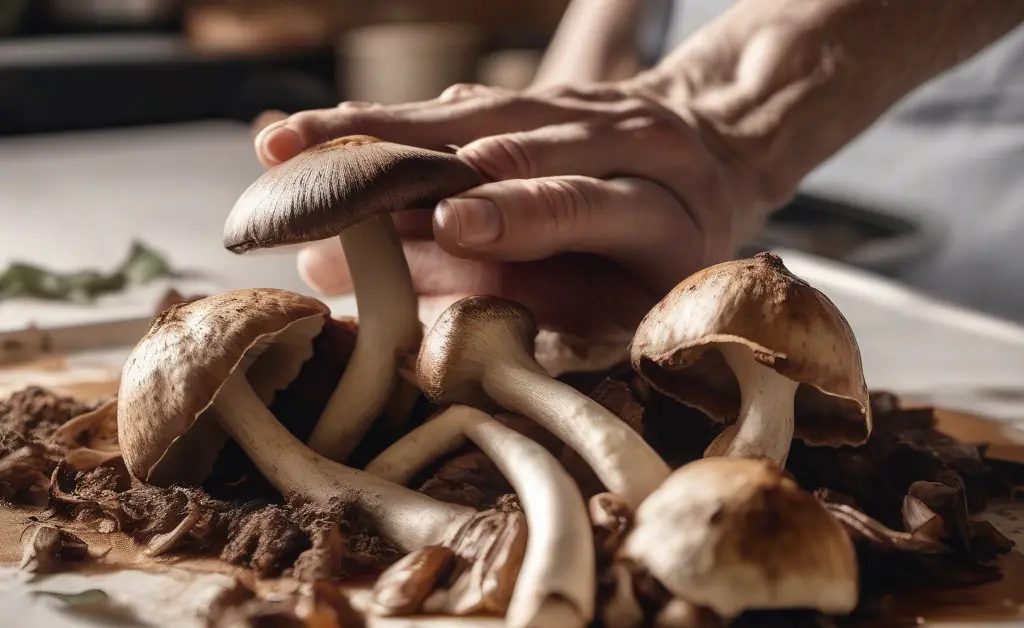
Effective preparation of porcini mushroom in Chinese recipes is key to unlocking its full potential, whether you are using fresh or dried varieties. Fresh porcini, when available, offer a tender texture and a milder, yet distinct, earthy flavor. They should be gently cleaned with a soft brush or damp cloth to remove any soil, avoiding waterlogging. Slicing them uniformly ensures even cooking. Dried porcini, on the other hand, provide a more concentrated flavor profile and require rehydration before use. Soaking them in warm water for about 20-30 minutes, then straining the liquid through a fine-mesh sieve or coffee filter, prepares them for integration into dishes, with the flavorful liquid often reserved for the sauce or broth. Beyond Chinese cuisine, the presence of porcini mushroom in India also offers interesting culinary adaptations.
Chinese Porcini Mushroom Stir Fry Recipe
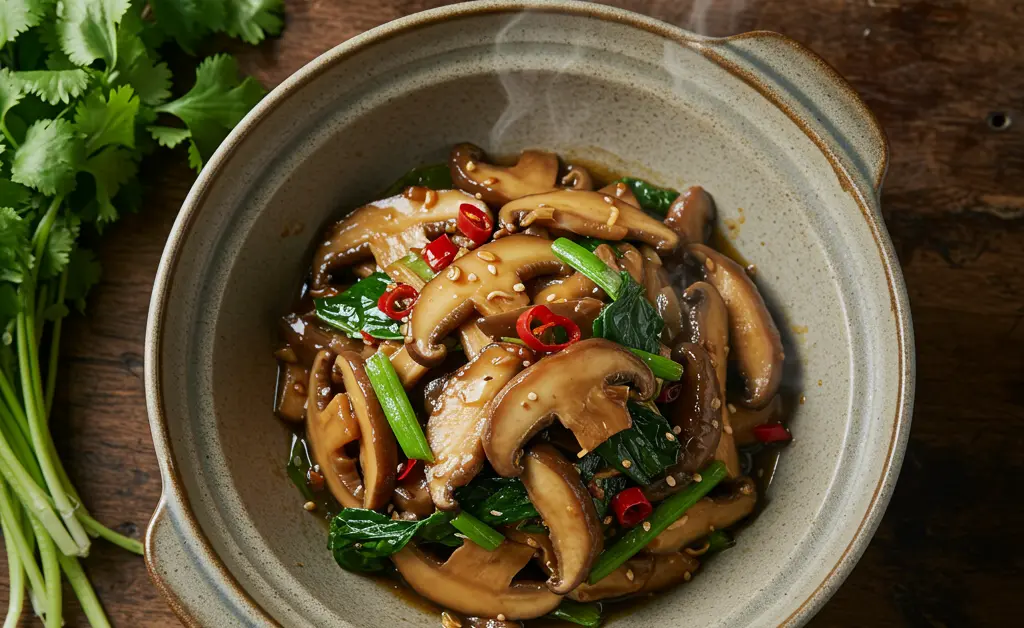
A Chinese porcini mushroom stir-fry exemplifies a classic approach to preparing this fungus, showcasing its unique flavor in a quick and vibrant dish. This cooking method, often utilizing a hot wok, allows the mushrooms to develop a slightly caramelized exterior while retaining their juicy interior, intensifying their natural umami. The stir-fry is a versatile preparation that can be adapted with various vegetables and proteins, making it a perfect example of how porcini can be integrated into a delicious and healthful Chinese meal.
Ingredients for Chinese Porcini Stir Fry
To create a delectable Chinese porcini stir-fry, a selection of fresh ingredients and complementary seasonings is essential. Key components typically include freshly prepared porcini mushrooms, sliced or chopped. Aromatic elements such as fresh ginger, minced garlic, and thinly sliced scallions are fundamental, providing a fragrant base. For a touch of heat, thinly sliced chiles may be added. Seasonings often feature light soy sauce, a touch of Shaoxing wine, and optionally, a hint of oyster sauce for added depth. A dash of sesame oil at the end can tie all the flavors together, creating a well-balanced and aromatic dish. Information on the nutritional content of various ingredients can often be found through reputable sources like the NLM.
Porcini mushrooms, whether fresh or dried, offer a remarkable depth of flavor and texture that significantly enriches Chinese cuisine. From their cultural roots in Yunnan to their prominent role in restaurant specialties and home cooking, understanding how to select, prepare, and integrate this prized fungus can transform your culinary endeavors. Embracing the unique characteristics of porcini mushroom in Chinese cooking allows for the creation of dishes that are both authentic and exquisitely flavorful, providing a deeper appreciation for the nuanced art of Chinese gastronomy.
This material is shared for educational insight, not for clinical decision-making. The information presented herein is intended for general knowledge and informational purposes only, and does not constitute medical advice. It is not a substitute for professional medical advice, diagnosis, or treatment. Always seek the advice of a qualified health professional with any questions you may have regarding a medical condition or health objectives.
FAQ
— How do you prepare porcini mushrooms for Chinese cooking?
Dried porcini are typically rehydrated in warm water for about 20-30 minutes, and the flavorful soaking liquid is often strained and reserved for cooking. Fresh porcini, on the other hand, benefit from a gentle cleaning with a soft brush or damp cloth to remove any dirt without washing away their aroma. After cleaning, they are usually sliced or diced according to the recipe.
— What ingredients are in a Chinese porcini stir-fry?
A Chinese porcini stir-fry generally features the rich, earthy porcini mushrooms paired with essential aromatics such as garlic, ginger, and sometimes scallions. Common additions include various vegetables like bell peppers, snap peas, or leafy greens, providing color and complementary textures. The dish is typically seasoned with a blend of soy sauce, rice wine, and other savory components to enhance its overall flavor.
— Are porcini mushrooms used in Chinese recipes?
Yes, porcini mushrooms are indeed incorporated into various Chinese culinary traditions, especially in regions where they are native or easily sourced. Their deep, earthy flavor and satisfying texture are highly valued, bringing a rich umami note to stir-fries, soups, and braised dishes. The distinct character of the porcini mushroom in Chinese cooking makes it a welcome addition to many savory preparations.
— What is a Chinese stir-fried porcini dish?
A Chinese stir-fried porcini dish is a vibrant culinary creation where sliced or diced porcini mushrooms are quickly cooked in a wok over high heat. This method rapidly cooks the mushrooms alongside aromatics like garlic and ginger, often with other vegetables and a savory sauce. The goal is to highlight the porcini’s distinctive earthy flavor and maintain its tender yet firm texture.
— How do I stir-fry porcini mushrooms the Chinese way?
To stir-fry porcini mushrooms with a Chinese approach, one typically begins by heating a wok or large pan to a high temperature with a suitable cooking oil. The mushrooms are then quickly added and cooked to develop their rich flavor and desirable texture, often after or alongside aromatics such as garlic and ginger. The process concludes with the rapid addition of a sauce and any other ingredients, ensuring a swift and flavorful preparation.
— Which region of China uses porcini mushrooms in stir-fries?
Porcini mushrooms are notably popular and frequently used in the cuisine of southwestern China, particularly in Yunnan province. This region is celebrated for its rich biodiversity and extensive tradition of foraging wild edible fungi. Consequently, porcini are a common ingredient in many local stir-fries, soups, and other dishes, where their earthy depth is greatly appreciated.