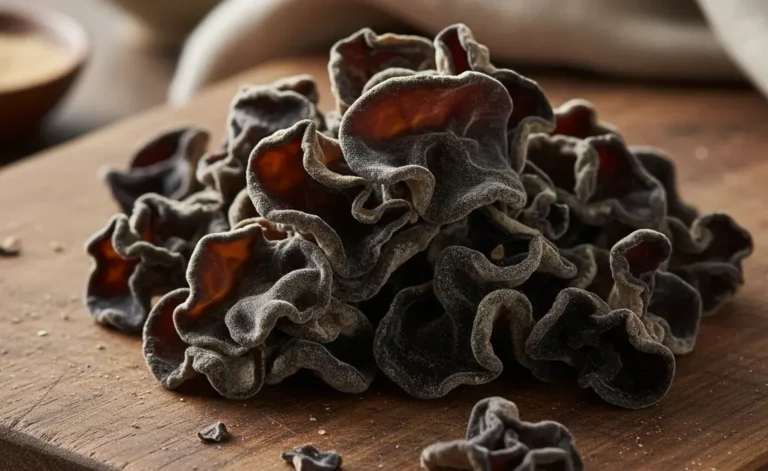

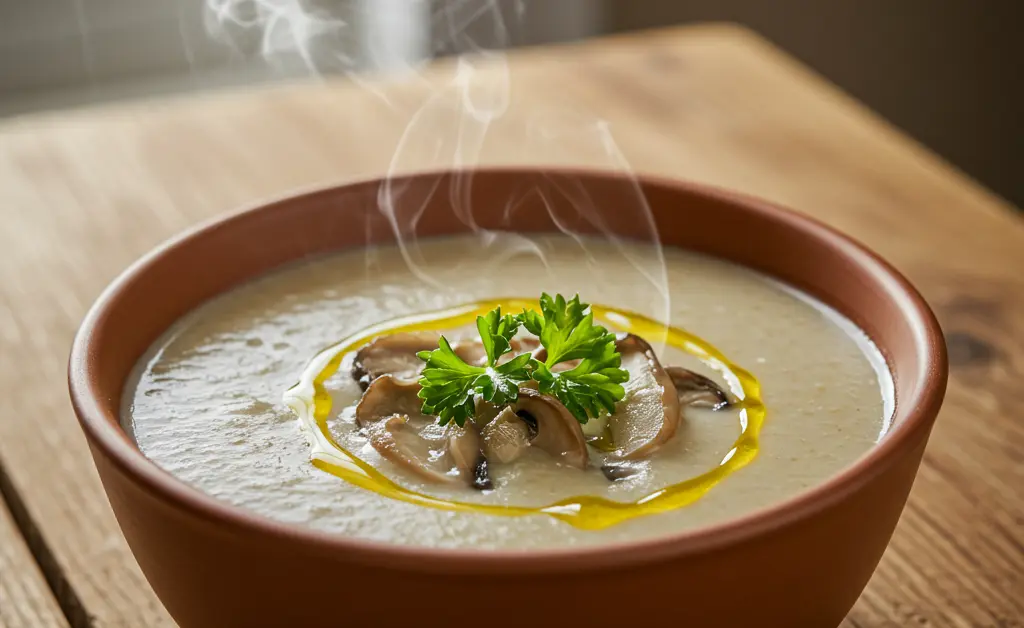
Oyster mushrooms offer a delicate flavor and unique texture that transforms beautifully into a comforting soup. Renowned for their earthy notes and velvety consistency when cooked, these versatile fungi are a favorite among chefs and home cooks alike. Crafting a delicious soup from them is an art that allows for immense creativity, ranging from light and clear broths to rich and creamy concoctions. This comprehensive guide delves into various preparation methods, essential ingredients, and expert tips to help you master the perfect oyster mushroom soup recipe. Whether you seek a quick weeknight meal or an elegant starter, understanding the nuances of these mushrooms will elevate your culinary experience, offering a wholesome and flavorful dish suitable for any occasion.
Oyster Mushroom Soup Recipe: A Comprehensive Guide
Embarking on the creation of a truly exceptional oyster mushroom soup recipe involves more than just following steps; it’s about understanding the unique characteristics of these delicate fungi and how they interact with other flavors. This guide aims to demystify the process, offering insights into selecting the freshest oyster mushrooms, preparing them correctly, and building a flavor profile that sings. From the foundational broth to the final garnish, every element contributes to a deeply satisfying culinary experience. We will explore various styles and techniques, ensuring that whether you prefer a light, clear broth or a rich, creamy texture, you’ll find the inspiration and instruction needed to perfect your homemade soup.
Popular Oyster Mushroom Soup Varieties
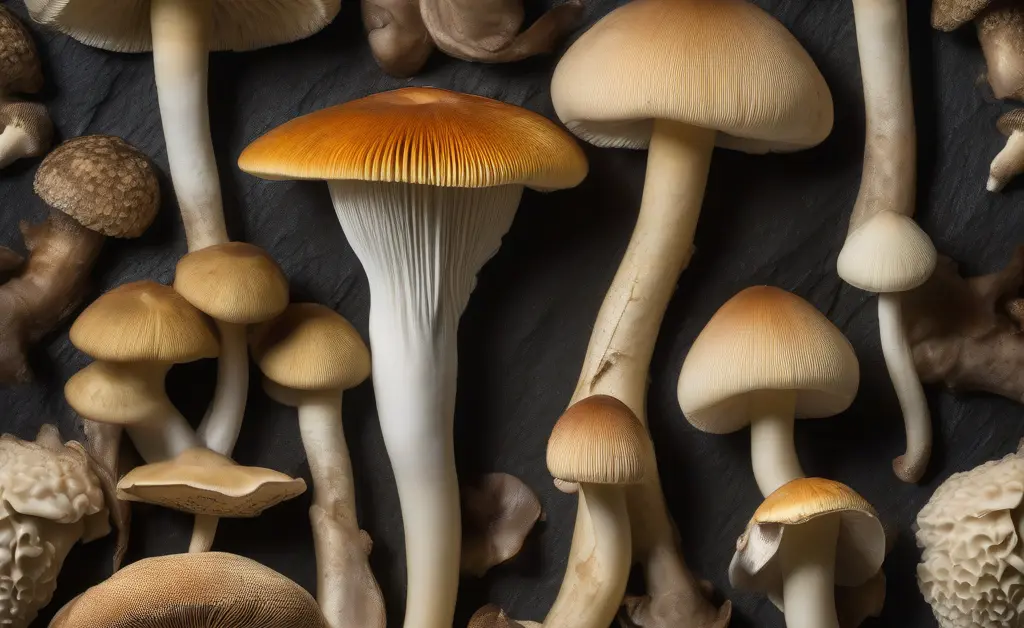
The versatility of oyster mushrooms allows for a wide array of soup styles, each offering a distinct flavor and texture profile. Exploring these popular varieties can inspire you to customize your own perfect pot.
Simple & Quick Oyster Mushroom Soup
For those seeking comfort without complexity, a simple and quick oyster mushroom soup is an ideal choice. This variety typically relies on minimal ingredients, focusing on the natural umami of the mushrooms themselves. A light vegetable broth, a touch of garlic and onion, and perhaps some fresh herbs are often all that’s needed. The preparation is straightforward: a quick sauté of the aromatics and mushrooms, followed by simmering in broth until the flavors meld. It’s a nourishing option that can be on the table in under 30 minutes, perfect for a busy weeknight.
Creamy Oyster Mushroom Soup
A creamy oyster mushroom soup offers a more indulgent experience, characterized by its rich, velvety texture. This can be achieved through various methods, from incorporating dairy creams or milk to using plant-based alternatives like coconut milk or pureed cashews for a vegan option. The key is to blend a portion of the soup to create a smooth base, then often stirring in the creaminess agent at the end to prevent curdling. This soup often features a deeper flavor profile, sometimes enhanced with a splash of white wine or a sprinkle of nutmeg.
Oyster Mushroom Soup without Cream
For a lighter yet equally flavorful option, an oyster mushroom soup without cream emphasizes the natural broth and the earthy notes of the mushrooms. This style often uses clear vegetable or chicken stock as its base, allowing the delicate essence of the oyster mushrooms to shine through. Enhanced with sautéed leeks, celery, carrots, and an assortment of fresh herbs like thyme or parsley, this soup provides a wholesome and comforting meal. It’s naturally dairy-free and can be easily made vegan by using a vegetable-based broth, offering a delightful and healthy choice.
Indian Style Oyster Mushroom Soup
Infusing an oyster mushroom soup with Indian flavors introduces a vibrant and aromatic dimension. This style typically features a blend of traditional Indian spices such as cumin, coriander, turmeric, and ginger, creating a deeply fragrant and warming soup. A tomato base or a touch of coconut milk can provide a rich backdrop, while a tempering of mustard seeds and curry leaves adds an authentic finish. The earthiness of the oyster mushrooms pairs beautifully with these bold spices, offering a unique and exotic twist on a classic soup. For those interested in a specific dish, you might also explore an oyster mushroom curry recipe.
Asian-Inspired Oyster Mushroom Soup
An Asian-inspired oyster mushroom soup often showcases a delicate balance of savory, sweet, and tangy notes. Ingredients like soy sauce, ginger, garlic, sesame oil, and rice vinegar are commonly used to create a complex flavor profile. This type of soup might incorporate other elements such as tofu, bok choy, or ramen noodles for added substance and texture. Garnishes like fresh cilantro, green onions, and a drizzle of chili oil complete the experience, making it a comforting and invigorating dish reminiscent of traditional Asian broths.
Hearty Oyster Mushroom Chowder
A chowder distinguishes itself with its thick, creamy consistency and often includes chunky pieces of vegetables. A hearty oyster mushroom chowder embraces this tradition, typically featuring diced potatoes, corn, and sometimes other vegetables like carrots or celery, all suspended in a rich, flavorful broth. While often cream-based, a vegan version can be achieved with plant milk and a roux. The oyster mushrooms provide an excellent meaty texture, making this chowder a filling and satisfying meal, particularly comforting on cooler days.
Rustic Oyster Mushroom and Potato Soup
Combining the earthy notes of oyster mushrooms with the comforting starchiness of potatoes creates a deeply satisfying and rustic soup. This variation often has a thicker, more substantial texture, sometimes achieved by mashing or blending a portion of the cooked potatoes. Simple seasonings, fresh herbs like rosemary or sage, and a robust vegetable or chicken stock allow the natural flavors to take center stage. It’s a wholesome and grounding soup, perfect for a cozy evening meal, often served with crusty bread.
Wild Oyster Mushroom Soup
Foraging enthusiasts or those with access to wild oyster mushrooms can create a soup with an intensified, truly unique flavor. Wild varieties often possess a more robust and complex earthy essence compared to cultivated ones. A wild oyster mushroom soup typically keeps other ingredients minimal to allow the distinct taste of the foraged fungi to dominate. A clear broth, a few aromatics, and simple seasonings are often preferred to highlight the natural bounty, resulting in a deeply flavorful and authentic experience.
Condensed Cream of Oyster Mushroom Soup
Creating a condensed cream of oyster mushroom soup offers a convenient base for a variety of dishes or a quick soup option. This involves cooking down a creamy oyster mushroom soup until it’s highly concentrated. The reduced liquid packs a powerful flavor punch and a thick consistency, perfect for diluting with milk or broth when ready to serve. This condensed version can also be a fantastic ingredient in casseroles, sauces, or gravies, and can be used as a base for an oyster mushroom sauce recipe.
Essential Ingredients for Oyster Mushroom Soup
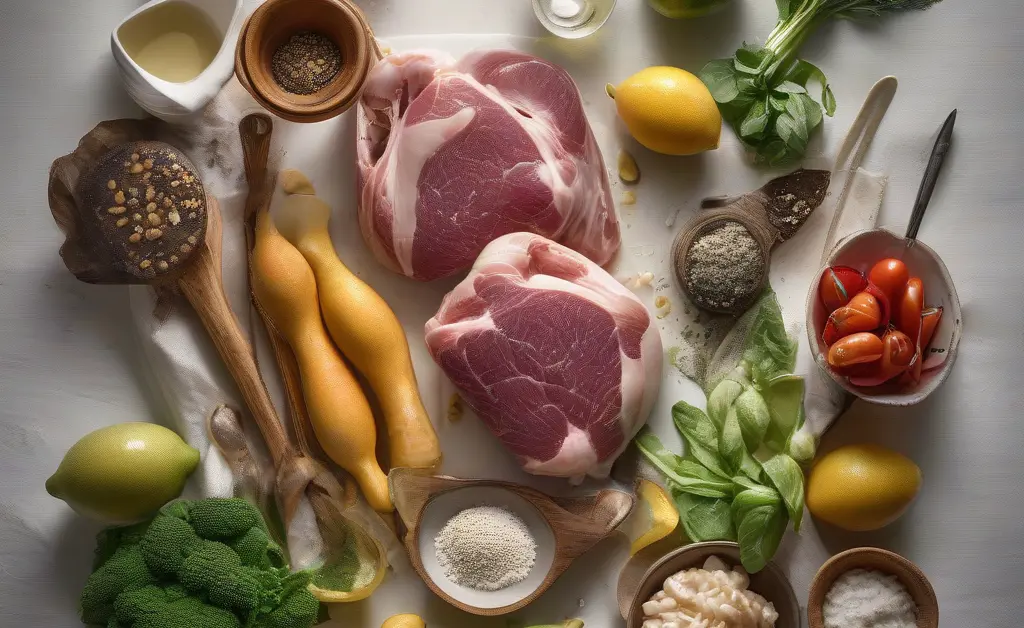
Crafting a delectable oyster mushroom soup recipe begins with selecting quality ingredients that build a harmonious flavor profile. While variations exist, certain staples form the backbone of most preparations.
- Oyster Mushrooms: The star ingredient. Choose fresh, firm mushrooms with no signs of sliminess or decay. Gently wipe them clean rather than rinsing heavily to preserve their delicate texture and flavor.
- Aromatics: Onion, garlic, and often celery or leeks provide the foundational flavor. Sautéing them properly ensures a deep, savory base.
- Broth: Vegetable broth is excellent for a vegan or vegetarian oyster mushroom soup and allows the mushroom flavor to shine. Chicken broth can add another layer of richness if preferred. Choose low-sodium options to control seasoning.
- Fats: Olive oil or butter are commonly used for sautéing the aromatics and mushrooms, helping to develop their flavors.
- Seasonings: Salt and freshly ground black pepper are essential. Other common additions include fresh or dried thyme, parsley, bay leaves, or a touch of rosemary.
- Creaminess Agents (optional): For a creamy texture, heavy cream, half-and-half, coconut milk, or plant-based milks like cashew or soy can be used. A roux (butter and flour mixture) can also thicken the soup.
- Acidity (optional): A splash of dry white wine or a squeeze of lemon juice can brighten the flavors and add complexity.
Step-by-Step Cooking Instructions
Making a delicious oyster mushroom soup is a rewarding process. Follow these steps to ensure a flavorful and satisfying result.
Prepare All Ingredients
Begin by carefully cleaning your oyster mushrooms. Avoid soaking them, as they absorb water easily; instead, gently wipe them with a damp cloth or soft brush to remove any dirt. Trim off the tough bases of the stems and then slice or tear the mushrooms into bite-sized pieces. To learn more about proper preparation, consider guides on how to cook oyster mushrooms. Dice your aromatics such as onions, garlic, and celery. Measure out your broth, seasonings, and any optional creaminess agents, ensuring everything is ready before you start cooking.
Sauté Aromatics and Mushrooms
Heat olive oil or butter in a large pot or Dutch oven over medium heat. Add diced onions, celery, or leeks and sauté until softened and translucent, usually for 5-7 minutes. Stir in minced garlic and cook for another minute until fragrant, being careful not to burn it. Next, add the prepared oyster mushrooms to the pot. Sauté the mushrooms, stirring occasionally, until they release their moisture and begin to brown, which helps to develop a rich, umami flavor. This step is crucial for building depth in your soup.
Simmer the Soup Base
Once the mushrooms are nicely browned, pour in the vegetable or chicken broth. Add any hardier herbs like fresh thyme sprigs or a bay leaf. Bring the mixture to a gentle simmer, then reduce the heat to low, cover, and let it cook for at least 15-20 minutes. This simmering time allows all the flavors to meld beautifully and the mushrooms to become tender. For a thicker soup without cream, you could simmer longer to reduce the liquid slightly or add a small amount of puréed potato.
Blend for Smoothness (if creamy version)
If you’re aiming for a creamy oyster mushroom soup, carefully transfer a portion or all of the soup to a blender, or use an immersion blender directly in the pot. Blend until you achieve your desired level of smoothness. Be cautious when blending hot liquids; ensure the blender lid is vented and covered with a towel to prevent pressure buildup. Return the blended soup to the pot if you used a traditional blender. If adding cream or plant-based milk, stir it in now and heat gently without boiling.
Final Seasoning and Serve
Taste the soup and adjust the seasonings as needed. Add salt, black pepper, and any additional herbs like chopped fresh parsley or chives. A touch of lemon juice can brighten the flavors, or a dash of white wine can deepen them. Heat the soup through, ensuring it’s warm but not boiling if cream has been added. Ladle the hot oyster mushroom soup into bowls and garnish with fresh herbs, a swirl of olive oil, or crispy croutons before serving immediately.
Tips for Perfect Oyster Mushroom Soup

Achieving an exceptional oyster mushroom soup recipe involves a few key considerations that can elevate your dish from good to outstanding.
- Don’t Wash, Wipe: Oyster mushrooms are like sponges. Rinsing them under water will make them waterlogged and less flavorful. Instead, gently wipe them clean with a damp paper towel or use a soft brush.
- Sauté for Depth: Don’t rush the sautéing process. Allowing the mushrooms to brown properly releases their natural sugars and develops deep, savory flavors. This caramelization is essential for a rich oyster mushroom soup.
- Control Salt: If using store-bought broth, it often contains sodium. Start with less salt and adjust at the end, especially after reducing the soup or adding other salty ingredients like soy sauce.
- Fresh Herbs are Best: While dried herbs work, fresh herbs like thyme, parsley, chives, or tarragon can significantly brighten and enhance the soup’s aroma and taste when added at the end.
- Consider Umami Boosters: A dash of white miso paste, a splash of soy sauce (or tamari for gluten-free), or a pinch of dried porcini powder can amplify the natural umami of your oyster mushroom soup.
- Gentle Blending: If making a creamy, blended soup, blend in batches and use caution with hot liquids. An immersion blender can simplify this step and reduce mess.
- Adjust Consistency: If your soup is too thick, add more broth or water until it reaches your desired consistency. If it’s too thin, you can simmer it uncovered for a longer period to reduce the liquid, or thicken it with a cornstarch slurry.
Customizing Your Soup: Variations & Substitutions
The beauty of an oyster mushroom soup recipe lies in its adaptability. You can easily tailor it to your preferences, dietary needs, or what you have on hand.
- Vegan/Dairy-Free: For creamy versions, substitute dairy cream with full-fat coconut milk, cashew cream, or a plant-based unsweetened milk. Ensure your broth is vegetable-based.
- Gluten-Free: If thickening with flour, use a gluten-free flour blend or a cornstarch slurry. Always check broth labels for gluten-containing ingredients.
- Adding Other Vegetables: Enhance the nutritional value and texture by incorporating finely diced carrots, celery, leeks, spinach, kale, or potatoes. Add heartier vegetables like carrots and potatoes during the simmering stage, and delicate greens like spinach towards the end. For more health-related information, you can consult resources from the NIH.
- Protein Boost: For a more substantial meal, add cooked chicken, tofu cubes, white beans, or lentils during the last few minutes of simmering.
- Spice Level Adjustments: Introduce a touch of heat with a pinch of red pepper flakes, a slice of fresh ginger, or a drizzle of chili oil, particularly in Asian-inspired variations of your oyster mushroom soup recipe.
- Herb Experimentation: Beyond thyme and parsley, consider rosemary, tarragon, dill, or chives to complement the earthy notes of the mushrooms.
- Different Mushrooms: While this guide focuses on oyster mushrooms, you can blend them with other varieties like shiitake, cremini, or portobello for a more complex mushroom flavor.
- Smoky Flavor: A hint of smoked paprika or a drop of liquid smoke can add a pleasant depth to the soup.
Serving Suggestions
A well-prepared oyster mushroom soup can be a delightful appetizer or a comforting main course. The right accompaniments can elevate the entire dining experience.
- Crusty Bread: A warm slice of artisan bread, baguette, or sourdough is perfect for soaking up every last drop of the flavorful broth.
- Garlic Bread or Crostini: Toasted bread rubbed with garlic and drizzled with olive oil adds a savory crunch.
- Fresh Herbs: A sprinkle of chopped fresh parsley, chives, or dill provides a burst of color and a fresh aroma.
- Croutons: Homemade or store-bought croutons offer a textural contrast.
- Swirl of Cream/Oil: A light swirl of heavy cream, coconut milk, or a drizzle of high-quality extra virgin olive oil can enhance richness and presentation.
- Crispy Toppings: Fried shallots, crispy bacon bits (for non-vegan versions), or toasted nuts can add a gourmet touch.
- Side Salad: A simple, fresh green salad with a light vinaigrette makes an excellent counterpoint to the richness of the soup.
- Grilled Cheese: For a comforting lunch, pair the soup with a classic grilled cheese sandwich.
Storage and Reheating Guide
Proper storage and reheating ensure your homemade oyster mushroom soup remains delicious and safe to enjoy for days after preparation.
- Refrigeration: Allow the soup to cool completely before transferring it to an airtight container. Store in the refrigerator for up to 3-4 days. Separation may occur with creamy soups, which is normal and can be remedied during reheating.
- Freezing: Most oyster mushroom soups freeze well, especially those without cream. Cream-based soups can sometimes separate or become grainy after freezing and thawing. If freezing a creamy soup, you might want to add the cream after thawing and reheating. Pour cooled soup into freezer-safe containers or bags, leaving some headspace for expansion. It can be stored in the freezer for up to 2-3 months.
- Thawing: For best results, thaw frozen soup overnight in the refrigerator. If you’re in a hurry, you can gently reheat it directly from frozen on the stovetop over low heat, stirring frequently.
- Reheating: Reheat soup gently on the stovetop over medium-low heat, stirring occasionally until heated through. If it’s a creamy soup that has separated, gentle stirring while reheating usually brings it back together. If it appears too thick, you can add a splash of broth or water to reach your desired consistency. Avoid boiling, especially for creamy varieties, to prevent curdling.
Mastering the art of making oyster mushroom soup opens up a world of culinary possibilities, allowing you to create comforting and flavorful dishes that cater to diverse tastes and dietary preferences. From the simple elegance of a clear broth to the indulgent richness of a creamy chowder, oyster mushrooms lend their unique texture and earthy notes beautifully to each rendition. By following the comprehensive guide, understanding essential ingredients, and applying expert tips, you can confidently prepare a wholesome and satisfying soup for any occasion. Experiment with variations, customize the flavors, and enjoy the delightful experience of this versatile fungi transformed into a beloved culinary staple.
This article is meant for general informational use and awareness. It is not intended to provide medical advice, diagnosis, or treatment. Always consult with a qualified healthcare professional for any health concerns or before making any decisions related to your health or diet. Individual results and experiences may vary.
FAQ
How do you make creamy oyster mushroom soup?
To create a rich, creamy texture in oyster mushroom soup, one effective method involves building a base with sautéed mushrooms and aromatics, then thickening the liquid with a roux made from fat and flour. After simmering to allow flavors to meld, incorporating a dairy product like heavy cream or a plant-based alternative such as full-fat coconut milk or cashew cream will achieve the desired smoothness. A final puréeing step, either partial or full, can further enhance the velvety consistency.
What ingredients are needed for oyster mushroom soup?
A foundational oyster mushroom soup recipe typically begins with fresh oyster mushrooms and aromatic vegetables like onions, garlic, and celery, providing a savory depth. The primary liquid component is usually vegetable or chicken broth, forming the soup’s body. Additional common ingredients include a fat for sautéing, a thickening agent such as flour or cornstarch, and a dairy or non-dairy cream to impart richness, all seasoned with herbs and spices for balanced flavor.
Can oyster mushroom soup be made vegan?
Absolutely, oyster mushroom soup can be easily adapted to be fully vegan by making a few ingredient substitutions without compromising on flavor or texture. Instead of dairy cream, plant-based alternatives like full-fat coconut milk, cashew cream, or a purée of silken tofu can provide a luxurious, creamy consistency. Ensuring the use of vegetable broth instead of chicken broth and opting for olive oil or another plant-based fat for sautéing completes the transition to a delicious vegan version.