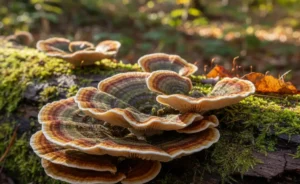
Many people believe that cultivating exotic mushrooms like shiitake at home is an intricate process reserved solely for expert mycologists or large-scale farms. This common misconception often deters enthusiasts, suggesting that the endeavor demands specialized laboratories and advanced scientific knowledge. However, the reality is far more approachable. With the right guidance and a bit of patience, anyone can learn how to grow shiitake mushrooms, transforming their backyard or even a shaded corner into a productive mini-farm. This guide demystifies the log cultivation method, breaking down each step into manageable instructions to help you successfully harvest your own delicious shiitake, proving that gourmet mushroom cultivation is well within reach for the home grower.
How to Grow Shiitake Mushrooms at Home: A Comprehensive Guide
Embarking on the journey of shiitake mushroom cultivation can be a rewarding experience, offering fresh, gourmet fungi right from your own garden. For those just starting, a convenient shiitake mushroom growing kit can provide all the necessary components. While there are several methods, growing shiitake mushrooms on logs is often considered the most traditional and effective for home growers. This method mimics the natural growth environment of shiitake, leveraging the rich nutrients found in wood to produce flavorful mushrooms over several years. Understanding the fundamental principles of this process is key to a successful harvest.
Overview of the Log Cultivation Method
The log cultivation method for shiitake mushrooms involves inoculating hardwood logs with shiitake spawn, allowing the mycelium to colonize the wood, and then encouraging the logs to fruit. This process capitalizes on the natural decomposition of wood, turning it into a substrate for the mushrooms. It’s a patient process, but once established, a single log can produce multiple flushes of shiitake for several seasons, making it a sustainable choice for enthusiasts interested in shiitake mushroom farming. Furthermore, for those interested in large-scale operations or specific regional practices, understanding shiitake mushroom farming in India offers valuable insights into diverse cultivation environments.
Shiitake mushroom log instructions
Successful log cultivation begins with careful attention to detail at each stage. From selecting the right wood to proper inoculation and environmental management, each step contributes to the overall health and productivity of your mushroom logs. These specialized shiitake mushroom logs are the core of this cultivation method. Following specific shiitake mushroom log instructions ensures that the mycelium has the best chance to establish itself and eventually produce abundant fruiting bodies. This guide will walk through the essential practices for achieving a thriving shiitake mushroom growing setup.
How to grow shiitake mushrooms on logs
The core principle of how to grow shiitake mushrooms on logs revolves around introducing the fungal spores or mycelium (in the form of spawn) into a suitable wood host. Once the mycelium establishes itself, it will slowly consume the wood, converting its cellulose and lignin into energy for mushroom production. This natural cycle, guided by specific techniques and environmental considerations, allows for repeated harvests. The journey from raw log to delicious shiitake is a testament to the wonders of mycology and the patience of the cultivator.
Selecting and Preparing Logs for Shiitake
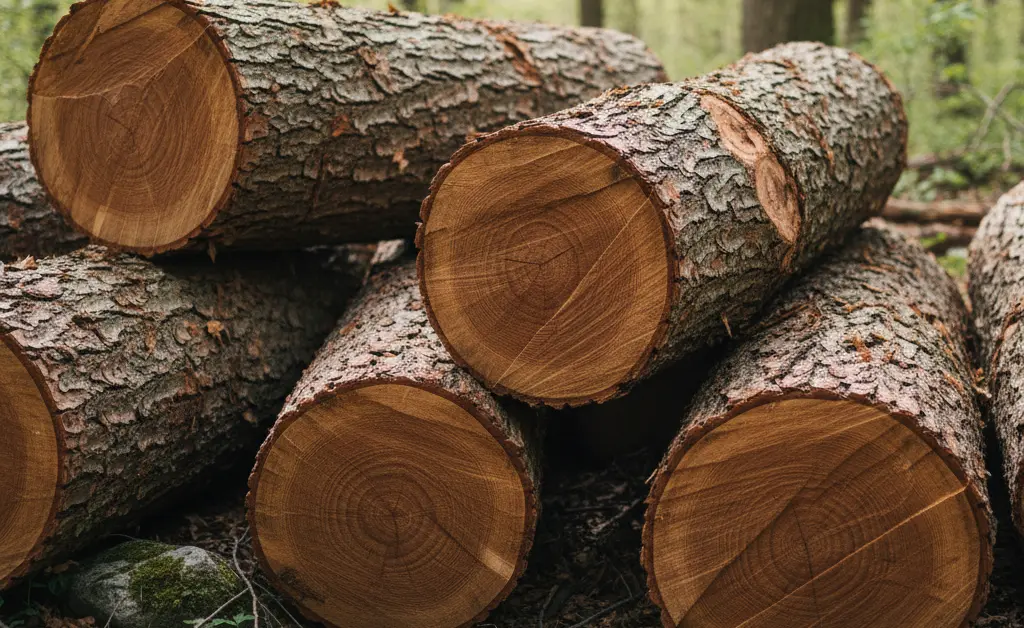
The foundation of successful shiitake mushroom cultivation lies in selecting appropriate hardwood logs. The quality and type of wood directly impact the growth rate, yield, and flavor profile of your shiitake mushrooms. Proper selection and preparation ensure that the logs provide an ideal substrate for the mycelium to thrive, making this an essential first step for anyone looking to grow shiitake mushrooms successfully.
Best Wood Species for Shiitake
Shiitake mushrooms prefer dense hardwood species. Traditional choices include oak logs, especially red and white oak, which are highly favored for their durability and nutritional content. Other suitable species include maple logs, beech, ironwood, sweet gum, and poplar. It is crucial to use logs from healthy, living trees that have recently been cut. Avoid any wood that shows signs of decay, mold, or insect infestation, as these can compete with or harm your shiitake spawn. Ensuring food safety in cultivation practices is a global concern, as highlighted by the guidelines from the WHO.
Log Size and Age Considerations
Logs ideal for shiitake mushroom growing are typically between 4 to 8 inches in diameter and 3 to 4 feet in length. Smaller logs may colonize faster but dry out more quickly, while larger logs retain moisture better and produce for a longer duration. For optimal results, logs should be cut in late winter or early spring before the buds break. This timing ensures the logs contain the highest sugar content, which is beneficial for the initial growth of the shiitake mycelium. Logs should be inoculated within a few weeks of cutting; older logs may already be colonized by competing fungi.
Sourcing and Preparing Your Logs
When sourcing logs, prioritize sustainability and local availability. If felling trees yourself, ensure they are healthy and free from disease. After cutting, store the logs in a shaded, well-ventilated area, off the ground, to prevent contamination and allow the bark to set. It’s important to allow a resting period of a few weeks (but no more than a few months) after cutting before inoculation. This allows the tree’s natural antifungal compounds to dissipate, making the wood more receptive to the shiitake spawn.
The Shiitake Log Inoculation Process
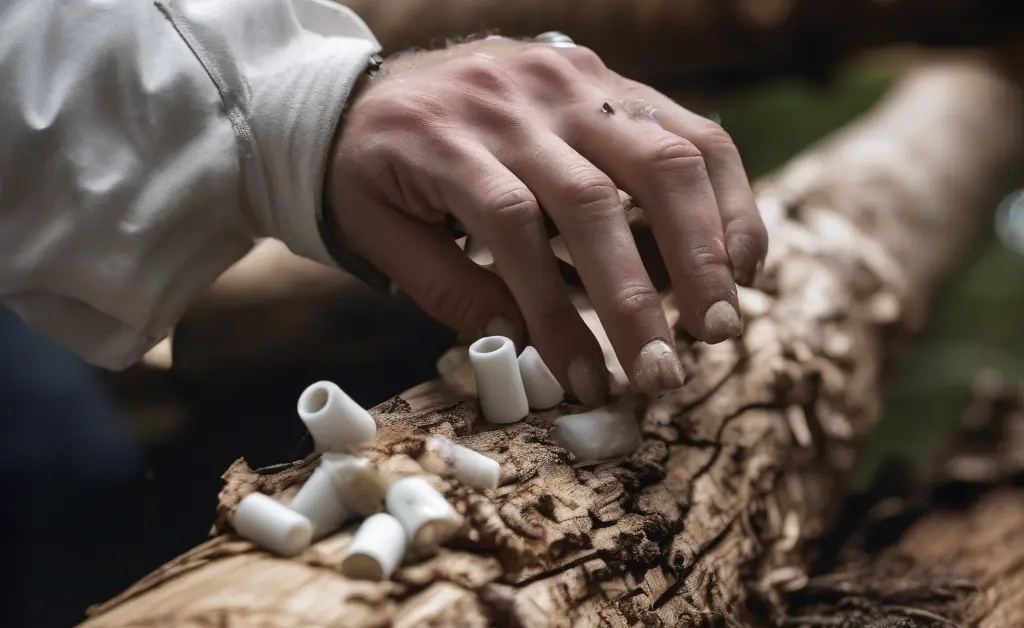
Inoculation is the critical step where shiitake spawn is introduced into the prepared logs. This process must be done carefully and cleanly to give the shiitake mycelium the best chance to colonize the wood successfully. Precision in this stage significantly influences the overall success of your shiitake mushroom cultivation efforts.
Choosing Shiitake Spawn Type
There are several types of shiitake spawn available, with plug spawn and sawdust spawn being the most common for log cultivation. Plug spawn consists of wooden dowels colonized with shiitake mycelium. They are easy to handle and ideal for beginners. Sawdust spawn is mycelium grown on sterilized sawdust and typically used with specialized inoculation tools that inject it into drilled holes. While sawdust spawn can colonize logs faster, it requires more specific equipment. Choose a spawn type that matches your skill level and available tools.
Required Tools for Inoculation
For efficient inoculation, you will need a few key inoculation tools. A drill with a drill bit sized to match your spawn plugs (usually 5/16 inch for plug spawn) is essential. For sawdust spawn, a specialized inoculation tool or plunger is necessary. You will also need a hammer (for plug spawn), a melting pot or double boiler for wax, and a natural wax (like beeswax or food-grade paraffin) to seal the inoculation sites. Sterilizing your drill bit and other tools with rubbing alcohol before and during the process is recommended to prevent contamination.
Inoculation Techniques (Drilling and Plugging)
The primary method involves drilling holes into the log, inserting the spawn, and then sealing the holes. Begin by drilling holes about 1 to 1.5 inches deep, spaced roughly 6 to 8 inches apart in a diamond or zigzag pattern along the length of the log. For plug spawn, gently tap the plugs into the holes until they are flush with the bark. For sawdust spawn, use an inoculation tool to inject the spawn firmly into each hole. Work quickly to minimize the exposure of the spawn to open air.
Sealing Inoculated Logs
After inserting the spawn, it is crucial to seal each inoculation site with melted wax. Wax sealing prevents moisture loss from the spawn, protects the mycelium from competing fungi and insects, and maintains the integrity of the log until the mycelium fully colonizes. Apply a generous dab of wax over each plug or sawdust-filled hole, ensuring a complete seal. You can use a dedicated wax dauber or a natural bristled brush for this task. Proper sealing is vital for the incubation and spawn run phase.
Incubation and Spawn Run: Log Care
Once inoculated, the logs enter the incubation period, also known as the spawn run. During this phase, the shiitake mycelium grows throughout the log, colonizing the wood. Proper log care and environmental conditions are crucial to encourage robust mycelial growth and successful colonization, which are vital for future fruiting and for learning how to grow shiitake mushrooms effectively.
Ideal Conditions for Mycelial Growth
Shiitake mycelium thrives in cool, moist, and shaded conditions. An ideal temperature range for spawn run is typically between 50-75°F (10-24°C). Consistent humidity is also critical; the logs should not be allowed to dry out. A shaded area, such as under deciduous trees, in a wooded area, or a shaded side of a building, is perfect. Ensure good airflow to prevent the buildup of stagnant air, which can encourage undesirable molds. This period can last anywhere from six months to over a year, depending on the wood species, log size, and environmental factors.
Stacking and Storing Inoculated Logs
Proper stacking and storage help maintain the necessary conditions for mycelial growth. Logs can be stacked in various ways, such as a crisscross “log cabin” style, leaning against a fence or structure, or simply laid parallel on elevated supports to prevent direct contact with the ground. Keeping logs off the ground helps prevent contamination from ground-dwelling fungi and insects. Regularly check the logs for signs of drying and consider occasional misting or natural rainfall to maintain moisture levels. For larger operations or prolonged dry spells, a covered, open-sided shed can provide excellent storage.
Monitoring Logs During Incubation
During the incubation period, periodic monitoring is important. While visible signs of mycelial growth are rare on the exterior of logs, you might occasionally spot patches of white mycelium near the inoculation points or on the cut ends. More importantly, observe the logs for signs of unwanted mold or extreme dryness. Healthy logs will feel heavy and moist. If logs appear too dry, they may benefit from a brief soak in non-chlorinated water. Patience is key during this phase; the mycelium is diligently working inside, preparing for the fruiting cycle.
Initiating the Fruiting Cycle
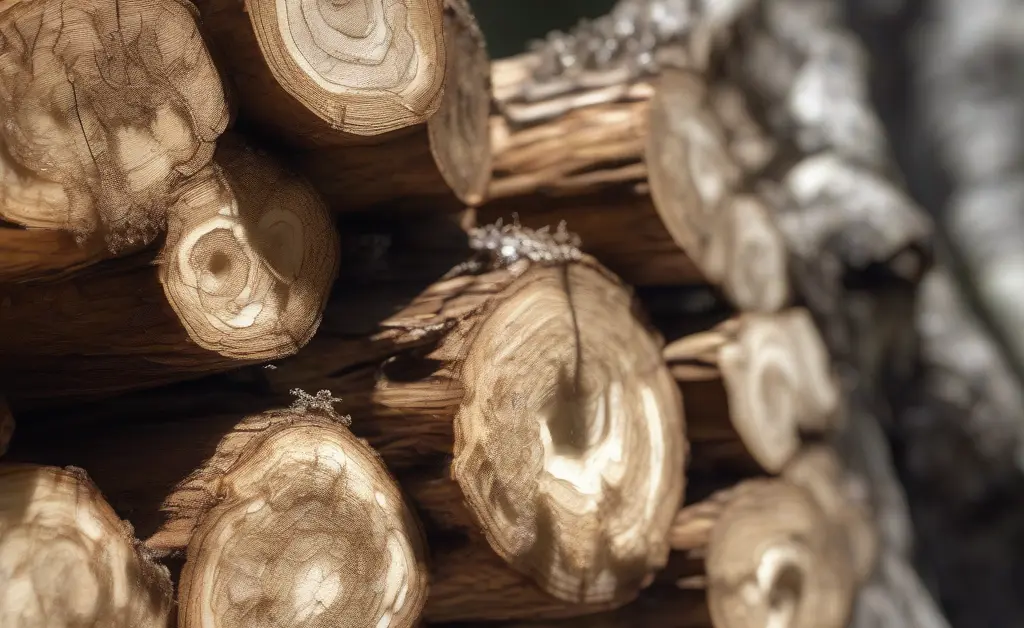
After a successful spawn run, the logs are ready to produce mushrooms. Initiating the fruiting cycle involves stressing the mycelium slightly, which triggers the formation of shiitake fruiting bodies. This process is often referred to as “shocking” the logs and is a crucial step in how to grow shiitake mushrooms from inoculated wood.
Methods for Shocking Logs (Cold Water Submersion)
The most common and effective method to shock shiitake logs is cold water submersion. After a sufficient spawn run (typically 6-18 months), logs can be submerged in cold, non-chlorinated water for a period. This sudden change in temperature and saturation mimics the conditions of a heavy rain after a dry spell, signaling to the mycelium that it’s time to produce mushrooms. Ensure the logs are fully submerged, held down if necessary, to absorb as much water as possible. After soaking, remove the logs and stand them upright or lean them against a support in a shaded, humid location.
Creating Optimal Fruiting Conditions (Temperature and Humidity)
Once shocked, logs need specific environmental conditions to encourage the emergence of pins and subsequent development into mature shiitake mushrooms. Ideal fruiting temperature for many shiitake strains ranges from 50-70°F (10-21°C). High humidity, often 80-90% or more, is paramount for the development of healthy fruiting bodies. This can be achieved through natural rainfall, misting the logs daily, or by placing them in a sheltered, humid environment like a fruiting chamber if growing indoors. Adequate airflow is also important to prevent stagnant air and encourage proper mushroom formation.
Harvesting Shiitake Mushrooms from Logs
The exciting culmination of your efforts in growing shiitake mushrooms is the harvest. Knowing when and how to properly pick your mushrooms ensures the best quality and encourages future flushes.
Identifying Ready-to-Harvest Shiitake
Shiitake mushrooms are typically ready for harvest when their caps have unfurled but the edges are still slightly curled inwards. The underside of the cap will reveal gills, and the stem should be firm. Avoid harvesting when the caps are too tightly curled (indicating immaturity) or completely flattened (which can mean they are past their prime and may begin to release spores). Observing the growth daily will help you pinpoint the optimal harvest window for prime quality and flavor. This careful timing is integral to successful shiitake mushroom growing.
Proper Harvesting Techniques
To harvest shiitake, gently twist the mushroom off the log at the base of the stem. Avoid pulling or tearing the mushroom, as this can damage the mycelium within the log and potentially hinder future production. If a cluster of mushrooms is growing together, you can often twist off the entire cluster. Use a clean knife to trim any debris from the stem if desired. Handling the mushrooms gently helps maintain their pristine condition. Regular and careful mushroom harvest encourages the log to produce subsequent flushes.
Post-Harvest Care and Log Longevity
After harvesting your first flush of shiitake, proper post-harvest care is essential to ensure the longevity and continued productivity of your logs. This ongoing care contributes significantly to the sustained success of your shiitake mushroom cultivation project.
Resting Logs Between Flushes
Once a flush is complete, the logs need a resting period to allow the mycelium to recover and build up energy for the next fruiting cycle. Typically, logs rest for several weeks or months, depending on environmental conditions and the vigor of the mycelium. During this time, return the logs to their shaded, humid incubation area. Avoid shocking them again too soon, as this can exhaust the mycelium. A general guideline is to allow at least 8-12 weeks of rest between soakings, but observing the log’s health and natural environmental cues is always best. This resting phase is crucial for maximizing the number of times you can harvest shiitake mushrooms from a log.
The lifespan of an inoculated shiitake log can vary greatly, often producing mushrooms for 3 to 6 years, sometimes even longer, depending on the wood species, log size, environmental care, and the vigor of the shiitake strain. As the logs age, they will gradually become lighter and more brittle as the mycelium consumes the wood. Eventually, production will cease as the nutrients in the log are depleted. By understanding and implementing proper care from inoculation through multiple fruiting cycles, you can enjoy a consistent supply of fresh, homegrown shiitake mushrooms for many seasons.
This material is shared for educational insight, not for clinical decision-making. The information provided in this guide is for general knowledge and informational purposes only, and does not constitute medical advice. Always consult with a qualified healthcare professional for any health concerns or before making any decisions related to your health or treatments. Cultivating fungi requires careful attention to hygiene and identification to ensure safety.
FAQ
— Do shiitake logs need to be soaked in water?
Shiitake logs benefit from being soaked in water to initiate or re-start the fruiting process. This technique, often called “shocking,” simulates natural heavy rainfall, signaling to the mycelium that conditions are right to produce mushrooms. It also helps to rehydrate the log after dry periods, which is crucial for healthy mushroom development.
— How do you inoculate logs for shiitake mushrooms?
Inoculating logs for shiitake mushrooms typically involves drilling a series of holes into freshly cut hardwood logs. Spawn, often in the form of wooden dowels or sawdust, is then inserted into these holes. The holes are subsequently sealed with wax to protect the mycelium from drying out and contaminants, allowing it to colonize the log, which is a key step in how to grow shiitake mushrooms effectively.