

In an era where natural health supplements are increasingly embraced for their potential benefits, mushrooms like cordyceps have garnered significant attention. While many experience positive outcomes, it’s natural to wonder about unexpected reactions. Imagine the surprise and confusion if a product intended for well-being leads to discomfort. Gaining a clear understanding of potential sensitivities is crucial for everyone exploring these natural remedies. This article aims to provide comprehensive insights into cordyceps mushroom allergy, detailing its symptoms, identifying common causes, and offering practical prevention strategies, empowering you with the knowledge to navigate your wellness journey safely and confidently.
Understanding Cordyceps Mushroom Allergies
Can you be allergic to mushroom supplements?
Yes, it is possible to experience an allergic reaction to mushroom supplements. Mushrooms, being fungi, contain various proteins, enzymes, and other compounds that can act as allergens in susceptible individuals. Just like with any food or natural product, the immune system can sometimes misidentify these harmless substances as threats, triggering an immune response. This phenomenon is known as a mushroom allergy, and it can range from mild sensitivities to severe systemic reactions. The specific components that trigger allergic reactions can vary between different mushroom species and even between individuals.
Can you be allergic to cordyceps?
While generally considered safe for consumption by most people, a cordyceps mushroom allergy is a potential, albeit rare, adverse reaction. Cordyceps, like other fungi, contains proteins and spores that can become allergens for some individuals. An individual’s immune system may develop a hypersensitivity to these components, leading to an allergic response upon exposure. This type of reaction is distinct from general side effects or intolerances and involves a specific immune system recognition of cordyceps components as harmful invaders.
Can Cordyceps Mushrooms Trigger Allergic Reactions?
Cordyceps mushrooms can indeed trigger allergic reactions in certain individuals. The allergenic components are typically proteins present in the fungal material, including spores, mycelium, and fruiting bodies. When these proteins are ingested, inhaled, or come into contact with the skin of a sensitized person, their immune system can release histamine and other chemicals, leading to a cascade of allergic symptoms. The specific type of cordyceps, such as Cordyceps militaris, and the method of processing (e.g., whole mushroom, extract, powder) may also influence the presence and concentration of these potential allergens.
Distinguishing Cordyceps Allergies from Other Side Effects
It is important to differentiate between a true cordyceps mushroom allergy and other non-allergic side effects or intolerances. Allergic reactions involve the immune system, often mediated by IgE antibodies, and can manifest rapidly and sometimes severely. Symptoms tend to be systemic, affecting multiple body systems. In contrast, other adverse effects or intolerances might include mild digestive upset, nausea, or discomfort that is not immune-mediated and typically less severe. For instance, while some individuals might experience mild gastrointestinal issues after taking a cordyceps supplement, this does not necessarily indicate a true allergic reaction unless accompanied by other classic allergy symptoms like hives or respiratory distress.
Common Symptoms of a Cordyceps Mushroom Allergy
Skin-Related Reactions (Rashes, Hives, Itching)
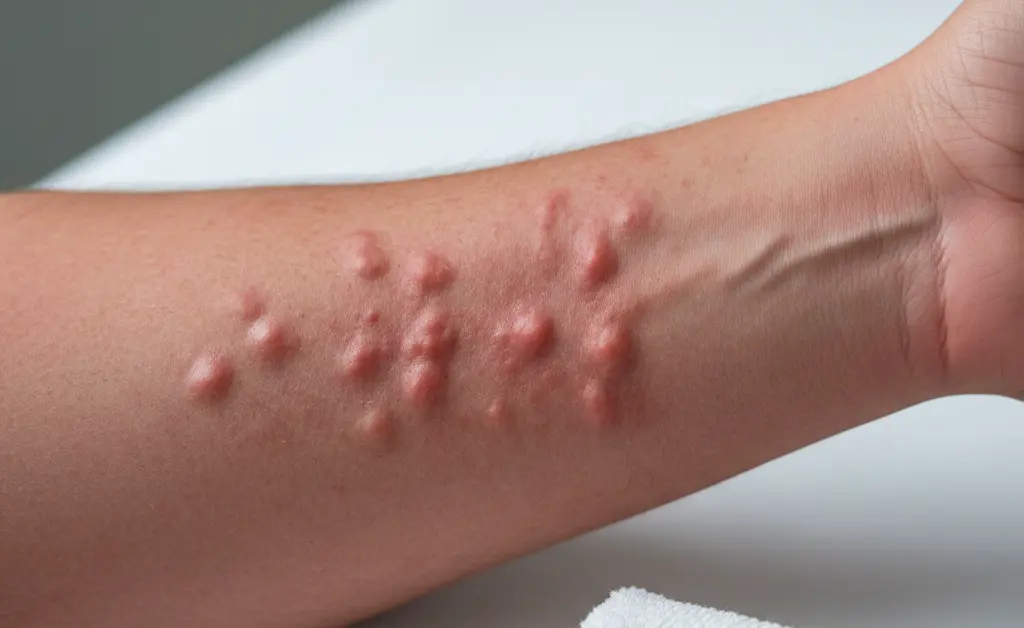
Skin-related reactions are among the most frequently observed symptoms of a cordyceps mushroom allergy. These can manifest as a persistent skin rash, characterized by redness and inflammation. Hives, which are raised, itchy welts on the skin, may also appear, sometimes rapidly spreading across different body parts. Intense itching is a common accompanying symptom, often leading to discomfort and irritation. These dermal manifestations indicate an immune response where histamine is released, causing localized inflammation and irritation.
Oral and Respiratory Symptoms (Swelling, Throat Irritation)
Allergic reactions to cordyceps can also affect the oral cavity and respiratory system. Swelling of the lips, face, tongue, or throat can occur, potentially leading to difficulty swallowing or speaking. Throat irritation, tightness, or a scratchy sensation may also be present. In more severe cases, individuals might experience respiratory distress, including wheezing, shortness of breath, or a feeling of constriction in the chest. These respiratory symptoms can be particularly concerning and require prompt attention, as they may indicate a more severe systemic reaction, such as anaphylaxis.
Gastrointestinal Manifestations
The gastrointestinal system can also be affected by a cordyceps mushroom allergy. Symptoms may include abdominal pain or cramping, nausea, vomiting, or diarrhea. These gastrointestinal issues typically occur as the body attempts to eliminate the perceived allergen. While some digestive upset might be a non-allergic side effect, when combined with skin or respiratory symptoms, it strengthens the suspicion of an allergic reaction involving the immune system’s response to the cordyceps components.
Causes, Risk Factors, and Prevention of Cordyceps Allergies

Identifying Common Triggers and Sensitivities
The primary triggers for a cordyceps mushroom allergy are specific proteins found within the mushroom itself. These proteins are recognized as allergens by a sensitized immune system, leading to an allergic response. In some cases, cross-reactivity may occur, meaning an individual allergic to other fungi, such as molds or yeasts, or other types of medicinal mushrooms, might also be sensitive to cordyceps. Understanding these sensitivities is key to identifying potential risks before consumption. Environmental factors, such as airborne spores, can also be a consideration for some individuals with severe fungal allergies. For further scientific understanding of allergens and immune responses, resources like NCBI can provide valuable information.
Who Might Be More Prone to Cordyceps Allergies?
Certain individuals may be more prone to developing a cordyceps mushroom allergy. Those with a pre-existing history of other allergies, particularly to other fungi like molds, yeast, or other mushroom species, are at a higher risk. People with a general predisposition to allergic reactions, often indicated by a family history of allergies, may also exhibit heightened immune system sensitivities. Additionally, individuals with compromised immune systems or certain respiratory conditions might also need to exercise caution. It’s always advisable for individuals with known allergies to consult a healthcare professional before introducing new supplements. When considering new supplements, it is also wise to discuss potential impacts, such as those related to cordyceps mushroom and blood pressure, with your doctor.
Checking Product Labels and Ingredients
A crucial prevention strategy for managing potential cordyceps mushroom allergy is meticulously checking product labels and ingredients. Consumers should look for clear labeling that specifies the exact species of cordyceps (e.g., Cordyceps militaris) and whether the product contains any other mushroom types, fillers, or potential allergens. Some supplements may be processed in facilities that handle common allergens, which should ideally be stated on the label. Opting for reputable brands that provide third-party testing for purity and potential contaminants can help minimize risks and ensure the quality of the supplement.
Safe Introduction and Monitoring Practices
When introducing any new supplement, especially one derived from fungi, safe introduction and monitoring practices are highly recommended to prevent a cordyceps mushroom allergy. Start with a very small amount to gauge your body’s reaction, often referred to as a patch test or a minimal oral dose. Pay close attention to any immediate or delayed symptoms over the next 24-48 hours. If no adverse reactions occur, you can gradually increase the amount to the recommended intake. It is important to discontinue use immediately if any symptoms of an allergic reaction appear and to consult a healthcare professional.
What to Do If You Suspect a Cordyceps Mushroom Allergy
When to Seek Medical Attention
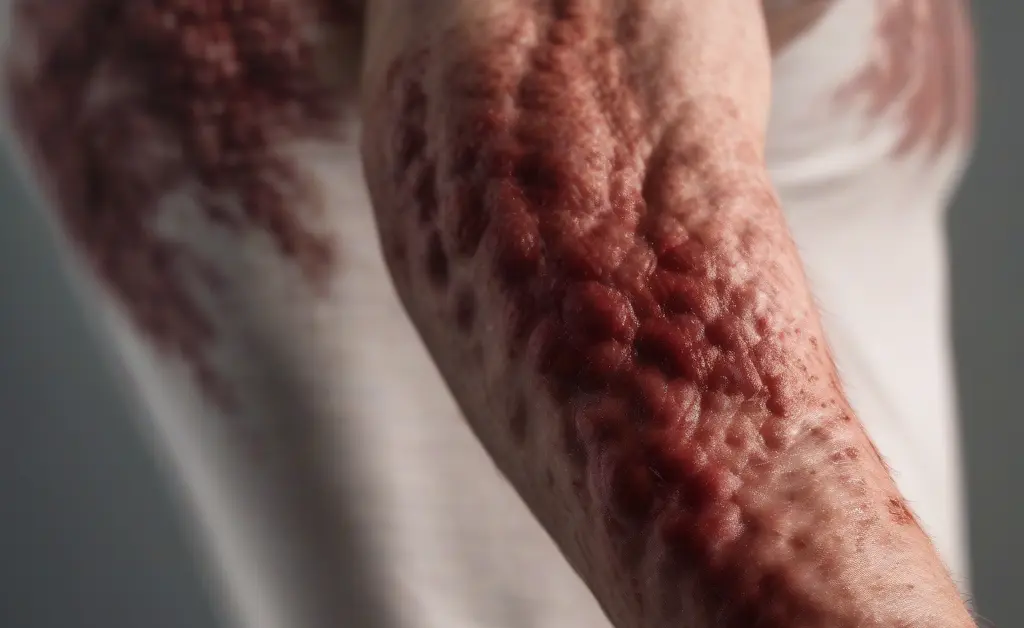
If you suspect a cordyceps mushroom allergy, it is important to know when to seek medical attention. Mild symptoms like a minor skin rash or slight itching may warrant discontinuing use and monitoring. However, more severe symptoms such as widespread hives, significant swelling of the face, lips, or throat, difficulty breathing, wheezing, dizziness, or a sudden drop in blood pressure indicate a serious allergic reaction, potentially anaphylaxis. In such cases, immediate emergency medical attention is crucial. Always consult a medical professional for proper diagnosis and guidance regarding any suspected allergies.
Immediate Steps for Symptom Management
Should you experience symptoms suggesting a cordyceps mushroom allergy, there are immediate steps you can take for symptom management. First and foremost, discontinue the use of the cordyceps supplement immediately. For mild symptoms like itching or hives, over-the-counter antihistamines may help alleviate discomfort. Applying a cool compress to affected skin areas can also provide some relief. If symptoms are severe or rapidly worsening, especially those affecting breathing or circulation, seek emergency medical consultation without delay. Inform healthcare providers about your recent consumption of cordyceps to aid in accurate diagnosis and treatment.
Navigating the world of natural health supplements requires a balanced approach, combining enthusiasm for potential benefits with a thorough understanding of possible adverse reactions. While cordyceps mushrooms offer many promising properties, recognizing the signs, causes, and prevention strategies for a cordyceps mushroom allergy is essential for safe consumption. By being informed, vigilant, and proactive, individuals can make empowered choices on their wellness journeys, ensuring their pursuit of health remains a positive and safe experience.
This article is written for general understanding and not for medical decision-making. The information provided is intended for educational purposes only and should not be used as a substitute for professional medical advice, diagnosis, or treatment. Always consult with a qualified healthcare provider for any health concerns or before making any decisions related to your health or treatment. Individual responses to supplements can vary, and what is suitable for one person may not be for another.
FAQ
— Can cordyceps cause an allergic reaction?
Yes, like any natural substance or food, it is possible for some individuals to experience an allergic reaction to cordyceps. The body’s immune system can sometimes identify certain compounds as foreign, triggering a responsive reaction.
— What are the symptoms of a cordyceps mushroom allergy?
Symptoms of a cordyceps mushroom allergy can vary, but commonly include skin reactions like itching or hives, digestive upset, or respiratory issues such as sneezing or a runny nose. In rare cases, more severe reactions involving breathing difficulties might occur.
— Is it common to be allergic to cordyceps?
While individual sensitivities vary, allergic reactions to cordyceps are not widely reported as common occurrences. However, anyone with existing allergies to other mushrooms or molds might have an increased potential for sensitivity.
— What should I do if I have an allergic reaction to cordyceps?
If you suspect an allergic reaction to cordyceps, it is important to discontinue its use immediately. Seeking guidance from a healthcare professional for proper assessment and advice is always recommended.
— Can cordyceps cause skin rashes or hives?
Yes, skin rashes and hives are among the possible manifestations of an allergic response to cordyceps. These visible skin reactions are a common way the immune system signals its adverse recognition of a substance.
— Are cordyceps allergies serious?
The seriousness of an allergic reaction to cordyceps can range from mild discomfort to more significant concerns. While many reactions are mild, some individuals may experience more severe symptoms, necessitating prompt attention.