When exploring natural supplements to support health and wellness, it’s important to understand the unique qualities that different medicinal mushrooms offer. Reishi and lion’s mane mushrooms have gained significant attention for their distinctive health-promoting properties, yet they serve different purposes. This article delves into the characteristics and benefits of each, providing a comprehensive comparison to help you make an informed decision. By examining their physical traits, historical uses, active compounds, and effects on the body, you can better appreciate how these fungi might fit into your health regimen. Whether you’re interested in cognitive enhancement, immune support, or stress management, understanding the nuances between reishi mushroom vs lion’s mane is essential for choosing the right supplement for your needs.
Comparing Reishi Mushroom and Lion’s Mane: Similarities and Differences
Physical Appearance and Growth Habits
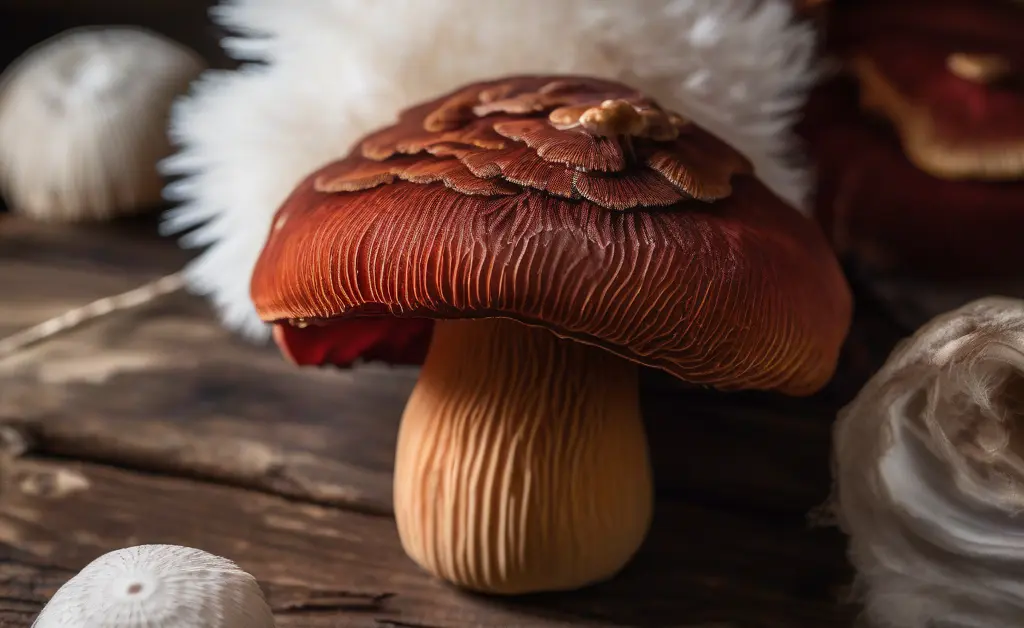
Reishi mushrooms are known for their glossy, reddish-brown, kidney-shaped caps with a tough, woody texture. They typically grow on decaying hardwood trees, and their distinct varnished surface makes them easy to identify in the wild. On the other hand, lion’s mane mushrooms stand out with their cascading, icicle-like spines that resemble a lion’s flowing mane. These mushrooms have a soft, white, shaggy appearance and also grow on hardwood trees, usually appearing in late summer and fall. While both thrive in temperate forests, their very different textures and shapes reflect their adaptation to unique ecological roles.
Historical and Cultural Significance
Reishi mushrooms have been deeply valued in traditional medicine, especially across East Asia, where they are often called the “mushroom of immortality.” For centuries, they have been incorporated into Chinese and Japanese herbal remedies aimed at enhancing longevity, vitality, and spiritual well-being. Lion’s mane also features in traditional Chinese medicine but is especially prized for its connection to cognitive health and nervous system support. Historically, it has been used as a tonic to boost memory and mental clarity. Both mushrooms carry rich cultural significance, yet they have traditionally targeted different facets of health and wellness.
Active Compounds in Reishi and Lion’s Mane
Reishi mushrooms boast a complex mix of bioactive compounds such as triterpenoids, polysaccharides, and peptidoglycans, which are linked to their adaptogenic and immune-modulating effects. Research has explored these compounds for their potential to enhance overall wellness and help the body adapt to stress. In contrast, lion’s mane contains unique molecules like hericenones and erinacines, which are thought to promote nerve growth factor (NGF) production, encouraging nerve regeneration and neuroprotection. Both mushrooms include polysaccharides that support immune function, but their distinctive compounds align with their specialized roles in cognitive support and systemic balance.
Choosing Between Reishi Mushroom and Lion’s Mane Based on Your Needs

Effects on Cognitive Function
Lion’s mane mushroom is widely noted for its potential to boost cognitive function. It is often associated with improvements in memory, focus, and mental clarity, largely attributed to its neurotrophic compounds that may encourage nerve regeneration and brain plasticity. While reishi is not primarily linked to cognitive enhancement, it can indirectly support brain health through its adaptogenic properties by helping to reduce the negative effects of stress on cognitive performance. As a result, those looking for targeted cognitive benefits often favor lion’s mane, whereas reishi is commonly chosen for overall wellness and stress resilience.
Impact on Immune Health
Both reishi and lion’s mane are valued for their immune-supportive qualities, though they work through somewhat different mechanisms. Reishi is known for its ability to modulate immune responses and bolster the body’s natural defenses, largely due to its polysaccharides and triterpenoids. Lion’s mane, meanwhile, contributes to immune health by enhancing the activity of certain immune cells, with its polysaccharides playing a key role. Reishi is often regarded as a powerful adaptogen that helps balance the immune system under stress, while lion’s mane offers immune benefits that complement its neuroprotective effects. For more detailed information on how to properly use reishi for immune support, consider reviewing the reishi mushroom dosage guidelines.
Influence on Mood and Stress Levels
Reishi mushroom has long been celebrated as an adaptogen that promotes relaxation and helps reduce feelings of stress and anxiety. Its calming properties support emotional balance and can contribute to more restful sleep, which benefits overall mood. Although lion’s mane is primarily linked to cognitive support, it may also positively influence mood by alleviating mild symptoms of anxiety and depression through mechanisms involving neurogenesis and neuroprotection. The choice between the two often depends on whether one’s main focus is on stress relief and relaxation (reishi) or mood support combined with cognitive benefits (lion’s mane). For those interested in enjoying reishi in a comforting and delicious way, the reishi mushroom hot chocolate is a popular option.
Reishi Mushroom vs Lion’s Mane: Overview and Key Characteristics
Antioxidant Properties
Both mushrooms possess antioxidant properties that help neutralize free radicals and reduce oxidative stress, factors associated with aging and various chronic health conditions. Reishi contains a wide array of antioxidant compounds, including phenols and triterpenes, contributing to its overall health-supporting profile. Lion’s mane also provides antioxidants that assist in protecting brain cells and supporting cellular health. These antioxidant effects complement their other health benefits, making each a valuable addition to natural wellness practices.
Anti-inflammatory Effects
Inflammation plays a significant role in many health issues, and both reishi and lion’s mane have been investigated for their anti-inflammatory capabilities. Reishi’s triterpenes are recognized for their ability to modulate inflammatory pathways, potentially supporting systemic balance. Lion’s mane exhibits anti-inflammatory activity particularly within neural tissues, which may aid in neuroprotection and cognitive maintenance. These effects underline their roles in supporting the body’s response to inflammation, with reishi often emphasizing broader systemic benefits and lion’s mane focusing more specifically on neural health. For further insights into reishi’s bioactive components, the reishi mushroom extract profile provides valuable information.
Forms Available for Consumption
Reishi and lion’s mane mushrooms come in a variety of forms to suit different preferences and uses. Common options include dried whole mushrooms, powdered extracts, tinctures, capsules, and teas. These forms differ in their concentration and bioavailability of active compounds. Some products highlight the use of fruiting bodies, while others incorporate mycelium, each offering a distinct profile of bioactive substances. When choosing a form, consumers often weigh factors like convenience, potency, and the specific health benefits they seek. For those interested in supplements, the reishi mushroom supplement is a well-regarded choice.
Nutritional Profiles of Reishi Mushroom vs Lion’s Mane
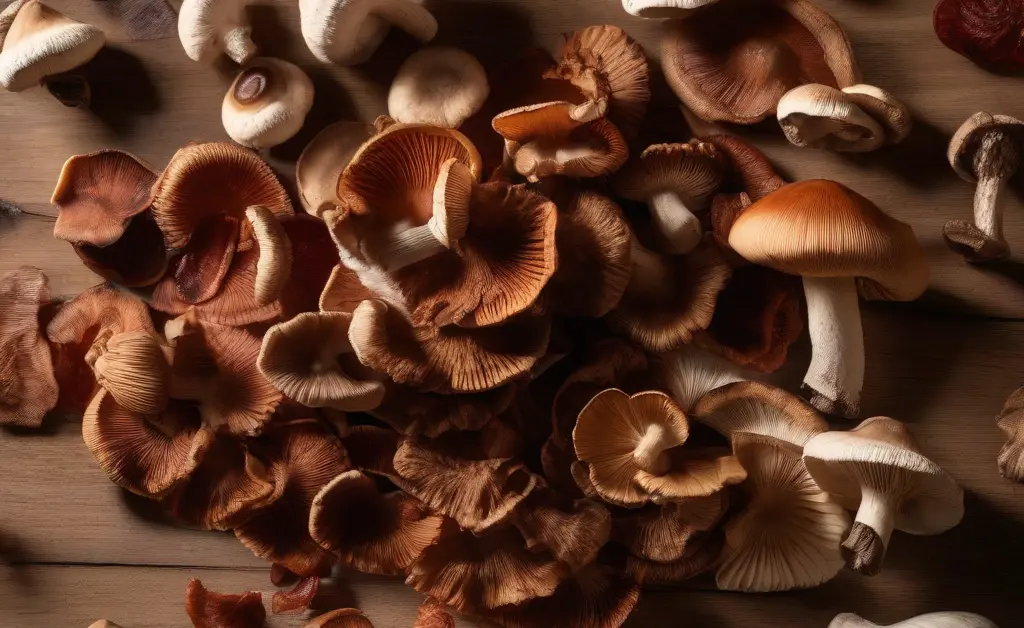
While both mushrooms provide beneficial compounds beyond basic nutrition, their nutritional profiles differ. Reishi is generally low in macronutrients but rich in polysaccharides, triterpenoids, and fiber, which support immune modulation and adaptogenic effects. Lion’s mane includes notable amounts of protein, fiber, and unique neuroactive compounds that contribute to nerve function. Both offer varying levels of vitamins and minerals, making them valued more as medicinal fungi rather than primary sources of nutrition.
Potential Benefits of Reishi Mushroom vs Lion’s Mane
Reishi is primarily known for its support of the immune system, its ability to reduce stress, and its role in promoting overall vitality through adaptogenic effects. It may assist the body in maintaining balance amid physical and emotional challenges. Lion’s mane is especially recognized for its potential to enhance cognitive performance, including memory, focus, and nerve regeneration. Additionally, lion’s mane may aid in mood regulation and provide neuroprotective benefits. Appreciating these distinct yet complementary advantages can help individuals select the mushroom that best fits their wellness objectives.
Safety and Side Effects of Reishi Mushroom vs Lion’s Mane

How to Choose Quality Supplements
Choosing high-quality mushroom supplements involves attention to sourcing, extraction methods, and transparency of ingredients. Supplements derived from fruiting bodies are often preferred because they tend to contain higher concentrations of bioactive compounds, although some products also include mycelium. Opting for certified organic sources and products that undergo third-party testing can offer greater confidence in purity and potency. Being mindful of manufacturing standards and avoiding supplements with unnecessary fillers or additives further supports quality. Carefully reviewing product labels helps ensure consumers receive the intended benefits.
Considerations for Combining Both Mushrooms
Many wellness enthusiasts opt to combine reishi and lion’s mane to harness their complementary effects, supporting both immune resilience and cognitive function. While such combinations may provide a broader range of benefits, it is important to consider individual tolerance and the quality of each supplement involved. There are products available that blend both mushrooms, but understanding the unique properties and traditional uses of each can assist in making thoughtful choices about pairing them. Consulting with knowledgeable sources can be helpful when considering combined use. For authoritative health information, the CDC is a reliable resource.
Precautions and Possible Side Effects
Both reishi and lion’s mane are generally regarded as safe for most people when used properly. However, some individuals might experience mild side effects, such as digestive discomfort or allergic reactions. Being mindful of personal sensitivities and seeking advice from healthcare professionals if underlying health conditions exist is important. Special populations, including pregnant or breastfeeding individuals, should exercise caution and consult with qualified practitioners. Monitoring for any adverse responses when starting a new supplement is a sensible approach.
Understanding the differences between reishi mushroom vs lion’s mane provides valuable insight for anyone interested in medicinal mushrooms. Each offers unique benefits, whether supporting immune health, cognitive function, or stress management. By considering their characteristics, traditional uses, and potential effects, you can better select the mushroom that aligns with your personal health goals.
Disclaimer: The information provided in this article is for educational purposes only and does not constitute medical advice. Always consult with a qualified healthcare professional before starting any new supplement, especially if you have existing health conditions or are pregnant or breastfeeding. Individual responses to medicinal mushrooms may vary, and safety considerations should be taken into account. This content is not intended to diagnose, treat, or cure any medical condition.