Many home cooks believe that all mushrooms offer similar culinary experiences, a notion that often overlooks the distinct contributions of varieties like the wood ear mushroom and the shiitake. While both are fungi celebrated for their savory notes and nutritional benefits, they bring unique qualities to the kitchen. It’s a common misconception that they can be used interchangeably in any dish, but understanding their differences in texture, flavor, and optimal cooking methods can elevate your cooking significantly. This guide aims to clarify these distinctions, helping you choose the right mushroom for your next culinary creation and appreciate the specific nuances each brings to a meal.
Appearance and Texture: A Visual and Sensory Comparison
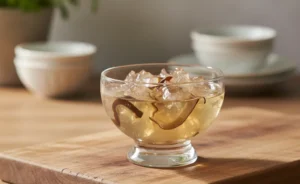
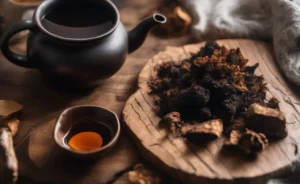
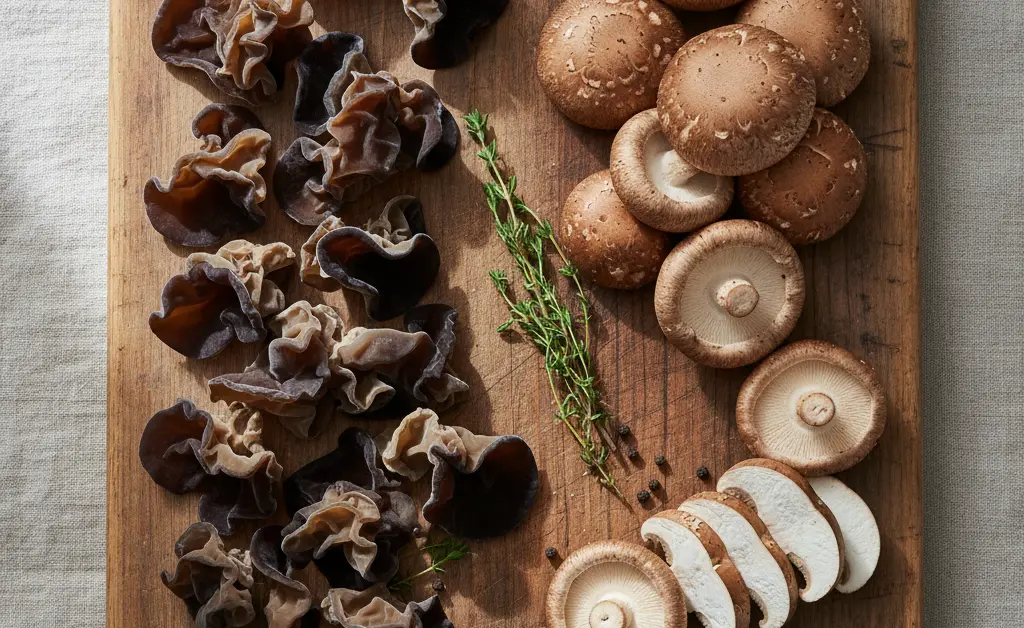
At first glance, wood ear and shiitake mushrooms could not be more different. Wood ear mushrooms, also known by descriptive names like cloud ear or tree ear, grow on wood and have a unique, irregular, and often ear-like shape. They are typically dark brown to black, with a smooth, rubbery, and gelatinous surface. When rehydrated from a dried state, they swell into a thin, crinkly form that is both flexible and firm. Their appearance directly hints at their primary contribution to a dish: a distinctive texture.
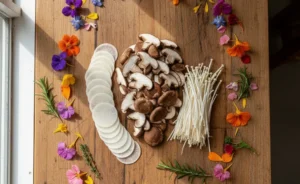
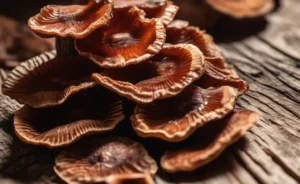
Shiitake mushrooms, on the other hand, present a more classic mushroom form. They have a broad, umbrella-shaped cap that ranges from light tan to dark brown, often adorned with a pattern of white fissures. The underside reveals tan-colored gills, and the stem is typically fibrous and tough. The cap’s flesh is soft and meaty, a stark contrast to the gelatinous nature of the wood ear. This fundamental difference in form and substance is central to the debate of wood ear mushroom vs shiitake in the kitchen.
Comparing Textural Qualities
Texture is where the wood ear mushroom truly shines and sets itself apart. When cooked, it develops a satisfyingly crisp, crunchy, and slightly chewy quality. It doesn’t become soft or mushy, instead holding its form and providing a delightful textural contrast in soups, salads, and stir-fries. This ability to absorb surrounding flavors while adding a unique mouthfeel is its main culinary purpose.
Shiitake mushrooms offer a completely different sensory experience. Their texture is tender, velvety, and meaty, especially when sautéed or braised. The cap becomes succulent and smooth, while the stem, if used, remains chewier. This substantial, almost meat-like quality makes shiitake a favorite for adding depth and heartiness to dishes, serving as a focal point rather than just a textural element.
Flavor Profiles and Culinary Applications
The flavor profiles of these two fungi are as distinct as their textures. While one is prized for its subtle taste that complements other ingredients, the other is a powerhouse of savory flavor that can define a dish. Understanding these taste differences is key when considering the wood ear mushroom vs shiitake for a specific recipe, as their roles in the culinary world are born from these unique characteristics. Explorations into various mushroom types might also delve into the wood ear mushroom vs oyster mushroom, each offering unique culinary attributes.
Wood Ear: Taste Notes and Ideal Dishes
The wood ear mushroom has a very mild, almost neutral flavor. It carries subtle earthy and woodsy notes but does not impart a strong taste of its own. Its porous, gelatinous structure is excellent at soaking up the broths, sauces, and seasonings it is cooked with. Because of this, it functions as a flavor sponge, enhancing a dish by adding texture and absorbing the dominant tastes around it. It is an essential ingredient in many Asian cuisines, particularly in hot and sour soup, moo shu pork, and various noodle dishes and stir-fries where a textural crunch is desired.
Shiitake: Taste Notes and Ideal Dishes
Shiitake mushrooms are celebrated for their deep, rich, and complex flavor. They are packed with umami, the fifth basic taste, which gives them a savory, brothy, and meaty quality. When cooked, their flavor intensifies, often developing smoky and garlic-like undertones. This robust taste makes shiitakes a star ingredient rather than a supporting one. They are fantastic in risottos, pasta sauces, gravies, and hearty stews. Their meaty texture and powerful flavor also make them an excellent meat substitute in vegetarian and vegan cooking, from burgers to “bacon.”
Are They Interchangeable in Recipes?
Given their vast differences in both texture and flavor, wood ear and shiitake mushrooms are generally not interchangeable in recipes. Substituting one for the other would fundamentally alter the dish. If a recipe calls for wood ear to provide a crisp, gelatinous crunch in a soup, using soft, meaty shiitakes would result in a completely different mouthfeel. Conversely, if a rich, umami-driven sauce requires the deep flavor of shiitakes, the mild-tasting wood ear would fail to deliver the intended savory depth. The choice between them should always be guided by the desired outcome of the recipe—texture from the wood ear, and robust flavor from the shiitake.
Nutritional Comparison
Both wood ear and shiitake mushrooms are valued for their nutritional content, offering a low-calorie way to add vitamins, minerals, and other beneficial compounds to a meal. They are both regarded as healthy additions to a balanced diet, though their specific profiles contain different points of emphasis. The discussion of wood ear mushroom vs shiitake from a nutritional standpoint highlights that both contribute positively to wellness in their own ways.
Shiitake mushrooms are particularly well-studied for certain compounds they contain, which are associated with supporting immune function and cardiovascular health. They are a good source of B vitamins and certain minerals. Further scientific research on these compounds can be found on sites like the NCBI. Wood ear mushrooms are also a source of dietary fiber and several essential minerals. They have been used in traditional medicine for centuries, often associated with promoting circulation and overall vitality. While both are nutritious, the specific compounds and their concentrations differ, making each a unique contributor to a healthful diet.
Best Uses and Substitutability
Choosing between these two mushrooms comes down to the role you want the fungus to play in your dish. The question of wood ear mushroom vs shiitake is answered by identifying whether your priority is texture or flavor. Their distinct characteristics make them suitable for very different culinary purposes, and they are rarely, if ever, a suitable substitute for one another. Further comparisons, such as the wood ear mushroom vs black fungus, also highlight important distinctions in the culinary world.
You should choose wood ear mushrooms when your primary goal is to introduce a unique texture. They are perfect for adding a crisp, snappy, and slightly chewy element to dishes where other ingredients provide the primary flavor. Think of them as a textural accent in vibrant Asian stir-fries, noodle bowls, and brothy soups. Their ability to absorb the flavor of a sauce or broth makes them a seamless addition that enhances the overall sensory experience without overpowering it.
Choose shiitake mushrooms when you want to build a deep, savory, and umami-rich flavor base. Their robust taste and meaty texture can stand on their own or elevate an entire dish. Shiitakes are the go-to mushroom for creating rich sauces, hearty gravies, flavorful broths, and as a substantial filling in dumplings or a topping for pizza. Their powerful character makes them a central component of a meal, not just an afterthought.
In conclusion, thinking of them as interchangeable would be a culinary misstep. A wood ear cannot replicate the profound, savory depth of a shiitake, and a shiitake cannot provide the signature gelatinous crunch of a wood ear. Appreciating each for its unique contribution is the key to using them effectively.
Understanding the fundamental differences between wood ear and shiitake mushrooms empowers any cook to make more intentional and effective choices in the kitchen. The wood ear mushroom is a textural marvel, offering a crisp and chewy experience while absorbing the flavors around it. In contrast, the shiitake is a flavor powerhouse, infusing dishes with a deep, meaty umami that can define a meal. By recognizing that one excels in texture and the other in taste, you can move beyond the idea of a generic “mushroom” and begin to harness the specific strengths of each variety, elevating your culinary creations from simple to sophisticated.
This article is written for general understanding and not for medical decision-making. The information presented here is for culinary and informational purposes only and should not be considered a substitute for professional medical advice, diagnosis, or treatment. Always consult with a qualified healthcare provider regarding any health condition or before making any changes to your diet. The potential benefits of any food should be discussed with a professional who can provide guidance based on your individual health needs.
FAQ
What is the main difference between wood ear and shiitake mushrooms?
Wood ear mushrooms are characterized by their gelatinous, somewhat crunchy texture and subtle earthy flavor, making them ideal for adding texture to dishes. Shiitake mushrooms, on the other hand, possess a richer, umami flavor profile and a meatier texture that stands up well to various cooking methods.
Can wood ear mushrooms be used instead of shiitake?
While both are edible mushrooms, wood ear mushrooms cannot be directly substituted for shiitake in most recipes due to their significant differences in texture and flavor. Shiitake mushrooms provide a distinct savory depth that wood ear mushrooms do not replicate.
Do wood ear mushrooms taste similar to shiitake?
No, wood ear mushrooms and shiitake mushrooms do not taste alike. Shiitake mushrooms offer a pronounced savory, umami taste, whereas wood ear mushrooms have a milder, more neutral flavor.
How do wood ear and shiitake mushrooms look different?
Wood ear mushrooms are typically dark brown to black with a wavy, ear-like shape and a slippery, almost gelatinous surface. Shiitake mushrooms are generally tan to brown, with a distinct cap and stem structure, and their surface has a more matte, sometimes slightly cracked appearance.
What are common culinary uses for wood ear vs shiitake?
Wood ear mushrooms are often incorporated into stir-fries, soups, and salads where their unique texture is appreciated for adding a pleasant chewiness. Shiitake mushrooms are versatile and commonly used in broths, sautés, and as a flavorful ingredient in many Asian cuisines, valued for their robust taste.