
As more home cooks embrace adventurous ingredients and seek to add both texture and nutritional value to their meals, the fascinating world of mushrooms continues to expand. Among these, the kikurage, or wood ear mushroom, is gaining traction for its unique gelatinous crunch and subtle flavor, making it a versatile addition to many dishes. This humble fungus, often overlooked, is a staple in various Asian cuisines, particularly in Japan, where it’s incorporated into everything from comforting stews to vibrant salads. Exploring a kikurage wood ear mushroom Japanese recipe offers a delightful gateway into appreciating this ingredient’s potential, proving that culinary exploration can be both accessible and incredibly rewarding for everyday cooking.
Kikurage Wood Ear Mushroom Japanese Recipe
Kikurage, prized for its unique texture, is featured in a wide array of Japanese dishes. Its ability to absorb surrounding flavors while providing a satisfying, crisp-yet-chewy bite makes it a culinary favorite. Before it can be used in most recipes, it requires some basic preparation to bring it to the perfect state for cooking. Beyond kikurage, there are many other delightful shiitake mushroom recipes to explore.
Rehydrating Kikurage
Most kikurage sold in markets is in a dried, brittle form. Rehydration is the first and most crucial step. To do this, place the dried mushrooms in a large bowl and cover them completely with warm water. They will float at first, but will gradually absorb the water and sink. The mushrooms will expand dramatically, often to several times their original size, over the course of about 20 to 30 minutes. Once they are fully softened and pliable, they are ready for the next stage of preparation.
Cleaning and Preparing
After rehydration, it’s important to clean the mushrooms thoroughly. Rinse them under cool running water to remove any residual dust or debris from the drying process. Feel the base of each mushroom for a small, hard, nub-like area. This is where the mushroom was attached to the wood, and it remains tough and unpleasant to eat. Use a knife or kitchen shears to carefully trim this part away and discard it. The mushrooms can then be left whole, sliced into strips, or roughly chopped, depending on the recipe’s requirements. It is always good practice to ensure food safety when preparing any ingredients; resources like the CDC provide valuable guidelines.
How to cook fresh wood ear mushroom
If you are fortunate enough to find fresh wood ear mushrooms, they do not require rehydration. Simply rinse them well to remove any dirt. Like their dried counterparts, check for and trim off the tough, woody base. Fresh kikurage has a wonderfully crisp texture that is best preserved through quick cooking methods. They are excellent when blanched for salads, added to stir-fries in the final minutes of cooking, or simmered in soups and hot pots, where they readily soak up the flavors of the broth.
Wood Ear Mushroom Salad
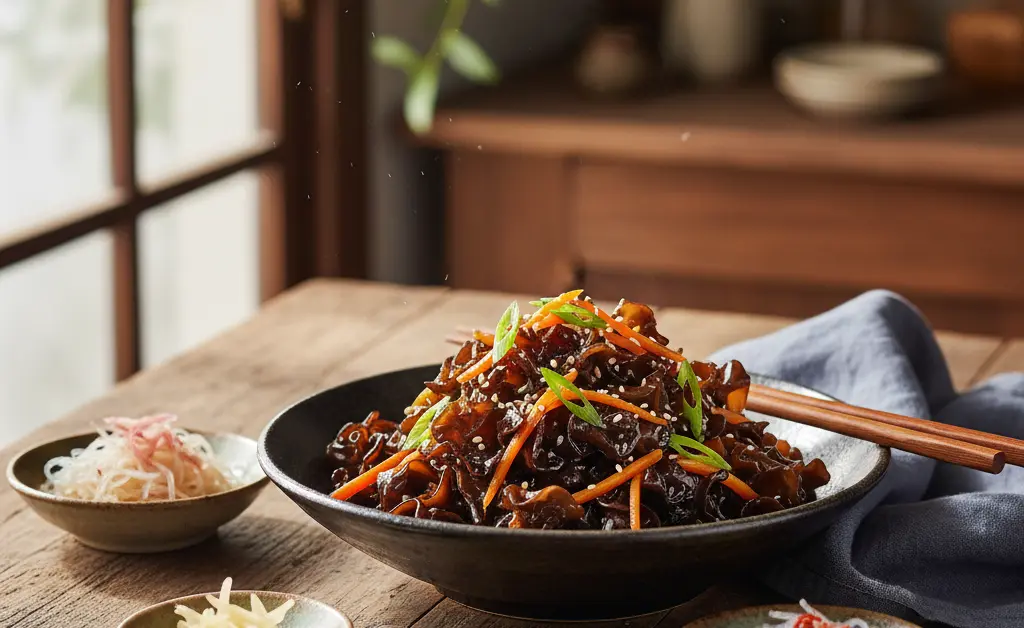
A simple wood ear mushroom salad is a refreshing and texturally delightful dish. After rehydrating and cleaning the kikurage, they are typically blanched for a minute in boiling water, then plunged into an ice bath to stop the cooking and ensure a crisp texture. The chilled mushrooms are then sliced into thin strips and tossed in a simple dressing, often made from soy sauce, rice vinegar, and a drizzle of sesame oil. For extra flavor, you can add finely minced garlic or ginger. The salad is often served chilled, making it a perfect appetizer or side dish. For those seeking plant-based options, a delicious wood ear mushroom vegan recipe offers a healthy and flavorful meal.
Spicy Wood Ear Salad
For those who enjoy a bit of heat, a spicy version of the wood ear salad is an excellent choice. The preparation follows the same initial steps of rehydrating, cleaning, and blanching the mushrooms. The key difference lies in the dressing. To create the spiciness, chili oil, red pepper flakes, or freshly minced chilis are added to the standard soy-vinegar base. This simple addition transforms the dish into a zesty and invigorating appetizer. A spicy `wood ear mushroom japanese recipe` like this salad showcases how well the mushroom’s neutral flavor and crunchy texture pair with bold, pungent seasonings.
Wood Ear Mushroom Japanese Recipe Chicken
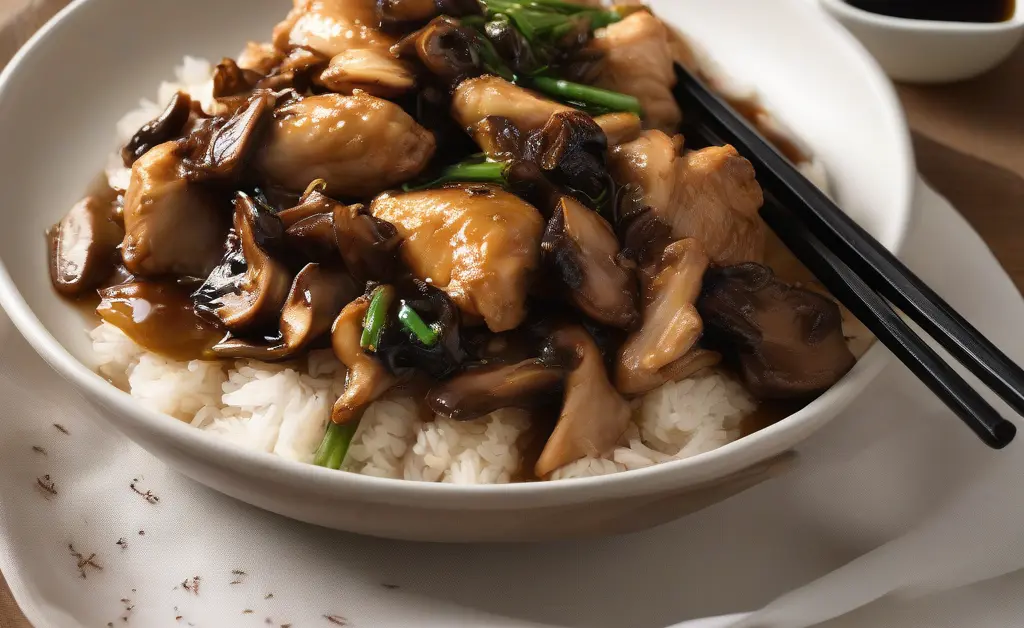
Combining chicken with kikurage is a classic pairing in Japanese home cooking. The tender chicken and crunchy mushrooms create a wonderful textural contrast, while the mushrooms absorb the savory sauce, adding another layer of flavor to every bite. This type of dish is often a simple stir-fry or a gently simmered stew, perfect for a weeknight meal served with rice. While chicken is popular, a savory wood ear mushroom and pork recipe is another excellent option for a hearty meal.
Ingredients
While specific recipes vary, the core components for a Japanese chicken and wood ear mushroom dish often include:
- Chicken, typically thigh or breast meat, cut into bite-sized pieces
- Rehydrated and prepared wood ear mushrooms, sliced
- A savory liquid base, usually containing soy sauce, mirin, and sake
- Aromatics such as freshly grated ginger or minced garlic
- Optional vegetables like sliced carrots, bamboo shoots, or green onions for color and flavor
Instructions
The cooking process is straightforward and highlights the simplicity of Japanese cuisine. Following a clear method ensures a delicious result every time.
- Begin by preparing all your ingredients. Slice the chicken, prepare the mushrooms, and mix the sauce ingredients in a small bowl.
- Heat a small amount of oil in a pan or wok over medium-high heat. If using, add the aromatics like ginger and garlic and cook briefly until fragrant.
- Add the chicken pieces to the pan and cook until they are lightly browned on all sides.
- Add the prepared wood ear mushrooms and any other vegetables you are using. Stir-fry for a few minutes to combine everything.
- Pour the prepared sauce mixture over the ingredients in the pan. Bring the liquid to a simmer.
- Reduce the heat, cover the pan, and allow the dish to simmer gently until the chicken is cooked through and the sauce has slightly thickened, coating all the ingredients. This simple `wood ear mushroom japanese recipe chicken` is best served immediately with a side of steamed white rice.
Kikurage Tsukudani Recipe
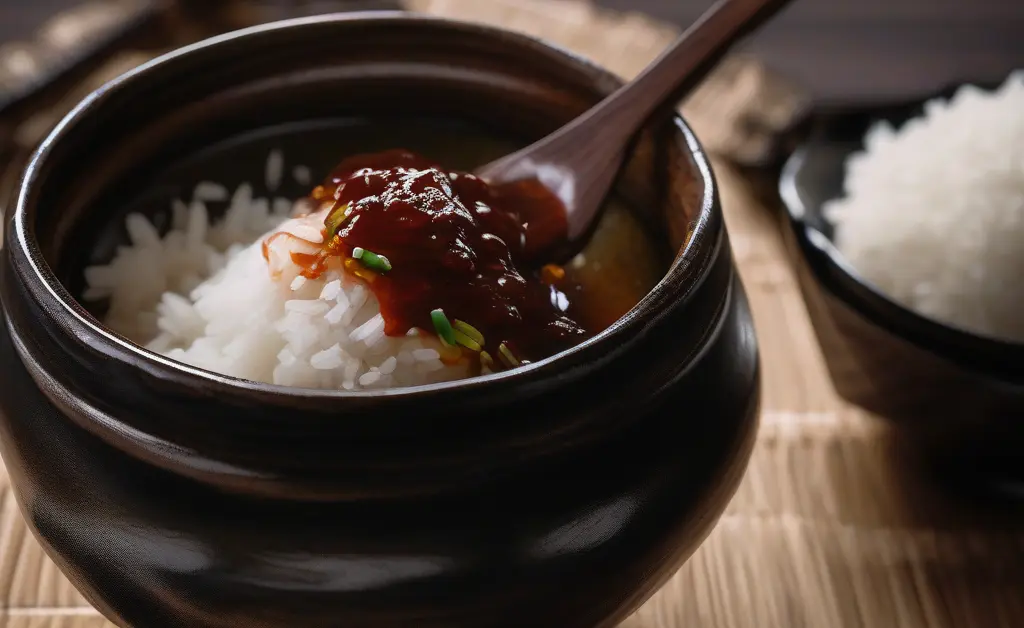
Tsukudani is a traditional Japanese method of preserving food by simmering it in a sweet and savory mixture of soy sauce and mirin. The resulting dish is intensely flavored and is meant to be eaten in small quantities as a condiment for rice, a side dish, or as a filling for onigiri (rice balls).
RECIPE: Kikurage (Wood Ear Mushroom) Tsukudani
Kikurage is an excellent ingredient for tsukudani due to its ability to absorb the rich simmering liquid while retaining some of its signature crunch. To make it, rehydrated and thinly sliced wood ear mushrooms are placed in a pot with soy sauce, mirin, sake, and a bit of sugar. The mixture is brought to a simmer and cooked down until the liquid reduces to a thick, glossy glaze that coats the mushrooms completely. As a classic `wood ear mushroom japanese recipe`, tsukudani serves as a powerful flavor accent in a traditional Japanese meal. Beyond Japanese cuisine, exploring a delightful wood ear mushroom Chinese recipe can introduce new flavor profiles.
Adjusting Sweetness and Saltiness
One of the best aspects of making tsukudani at home is the ability to customize the flavor to your personal preference. The final taste is a balance between the saltiness of the soy sauce and the sweetness of the mirin and sugar. If you prefer a sweeter profile, you can increase the amount of mirin or sugar. Conversely, for a more savory, less sweet result, you can use a higher proportion of soy sauce. It is often best to taste the simmering liquid partway through cooking and make small adjustments as needed.
Cooking Time Variations
The cooking time for kikurage tsukudani directly impacts both its flavor and texture. A shorter cooking time, where the liquid is reduced but still somewhat thin, will result in mushrooms that are more tender-crisp and have a lighter flavor. A longer, slower simmer allows the flavors to concentrate much more intensely, creating a darker, saltier, and sweeter final product. This extended cooking also softens the mushrooms further, making them chewier and less crunchy. The ideal cooking time depends on whether you prefer a crunchier texture or a deeper, more traditional preserved flavor.
Whether you begin with a refreshing salad, a comforting chicken stir-fry, or a savory tsukudani, incorporating kikurage into your cooking is a rewarding experience. This versatile mushroom offers a unique textural element that can elevate many dishes. Its ability to be used as a side dish, an accompaniment to rice, or a component in other Japanese dishes makes it a valuable ingredient in any kitchen. Exploring a `wood ear mushroom japanese recipe` is a fantastic way to familiarize yourself with this wonderful fungus and expand your culinary horizons.
It is important to note that this content is not intended as medical advice. The information provided is for educational and culinary purposes only. You should never consume wild mushrooms unless you are an expert in their identification, as many poisonous varieties resemble edible ones. Always consult with a qualified healthcare professional or a registered dietitian for personalized advice regarding your health, diet, or nutritional needs.
FAQ
How do you rehydrate dried wood ear mushrooms for Japanese recipes?
To rehydrate dried wood ear mushrooms, place them in a bowl and cover them completely with warm water. Allow them to soak for at least 20 to 30 minutes, or until they become soft and pliable. Once rehydrated, gently squeeze out any excess water before using them in your cooking.
What is tsukudani?
Tsukudani is a Japanese condiment made by simmering ingredients like seaweed, mushrooms, or seafood in soy sauce, mirin, and sugar until the liquid is reduced to a thick glaze. This cooking process concentrates the flavors and creates a savory, slightly sweet, and umami-rich dish. Tsukudani is often served as a side dish or a topping for rice.
What other Japanese recipes use kikurage?
Kikurage, also known as wood ear mushroom, is a popular ingredient in Japanese cuisine beyond just tsukudani. It is frequently added to stir-fries, ramen, and donburi bowls for its unique crunchy texture and subtle flavor. It also finds its way into various salads and soups, contributing a pleasing chewiness.