“`html
I remember the first time I tried wood ear mushrooms in a hot and sour soup. Their unique, slightly chewy texture was a revelation, so different from other mushrooms. Beyond their culinary appeal, I was curious about what made them so satisfyingly substantial. It turns out that a significant part of their appeal lies in their impressive fiber content, particularly a type that offers some distinct health advantages. Exploring the world of wood ear mushroom fiber reveals not just a fascinating dietary component but a valuable addition to a balanced, health-conscious diet, offering support in areas like digestion and metabolic wellness.
Fiber Content in Wood Ear Mushrooms
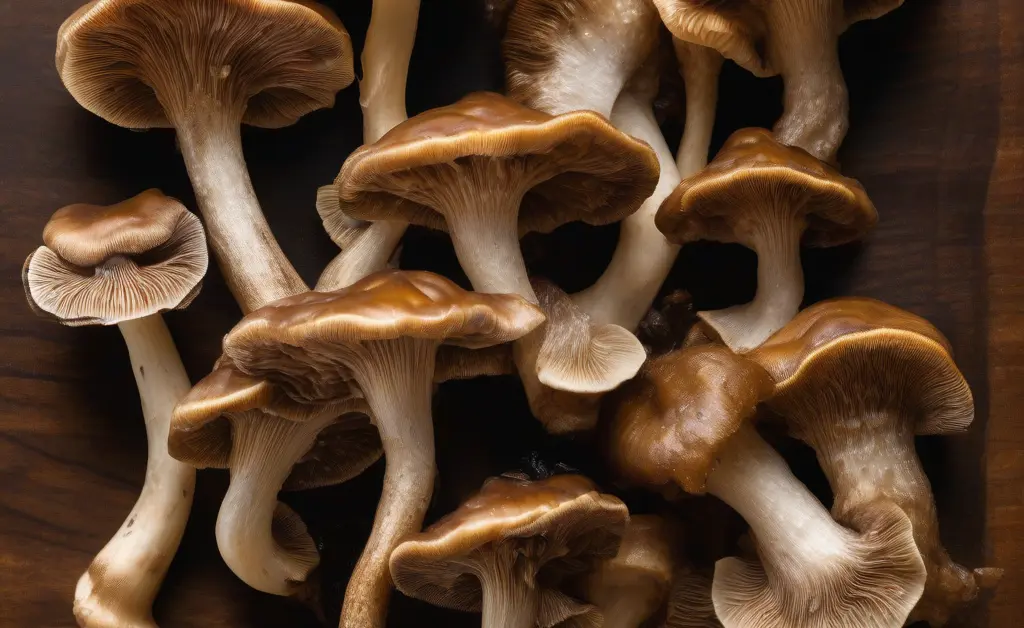
Wood ear mushrooms (Auricularia spp.) are well-regarded for their nutritional profile, and a key component of this is their high dietary fiber content. When rehydrated from their dry state, these fungi swell significantly, with much of their satisfying, gelatinous texture attributable to their fiber matrix. Unlike many other common vegetables, the fiber in these mushrooms is particularly concentrated. The overall macronutrient breakdown shows that carbohydrates, primarily in the form of complex polysaccharides that function as fiber, make up a substantial portion of their composition. This makes the wood ear mushroom fiber a noteworthy element for anyone looking to increase their daily fiber intake through whole food sources.
When rehydrated from their dry state, these fungi swell significantly, with much of their satisfying, gelatinous texture attributable to their fiber matrix. Unlike many other common vegetables, the fiber in these mushrooms is particularly concentrated. The overall macronutrient breakdown shows that carbohydrates, primarily in the form of complex polysaccharides that function as fiber, make up a substantial portion of their composition. Additionally, exploring the wood ear mushroom protein content reveals other important aspects of its nutritional makeup. This makes the wood ear mushroom fiber a noteworthy element for anyone looking to increase their daily fiber intake through whole food sources.
Types of Fiber Present
The fiber in wood ear mushrooms is not a single uniform substance but a complex mix of different types, primarily categorized as soluble and insoluble fiber. Each type contributes differently to the mushroom’s texture and its effects within the body.
- Insoluble Fiber: This includes substances like chitin, which forms the structural cell walls of fungi. Insoluble fiber does not dissolve in water. Instead, it adds bulk to the stool, which can help promote regularity and the smooth movement of waste through the digestive tract.
- Soluble Fiber: Wood ear mushrooms are also a source of soluble fibers, such as beta-glucans. These complex carbohydrates dissolve in water to form a gel-like substance in the digestive system. This gel has several interesting properties, including slowing down digestion, which can contribute to a feeling of fullness.
Health Benefits Associated with Wood Ear Mushroom Fiber

The unique composition of fiber in these mushrooms is linked to several potential health benefits, particularly concerning metabolic and digestive wellness. The synergistic action of both soluble and insoluble fibers contributes to their role as a functional food. Incorporating sources of wood ear mushroom fiber into a varied diet can be a simple way to support several bodily systems. These benefits stem directly from the physical properties of the fibers and how they interact with the digestive process. For a complete nutritional profile, it is also beneficial to consider the wood ear mushroom oxalate content.
Digestive Health Support
The fiber from wood ear mushrooms can be particularly beneficial for the digestive system. The insoluble fiber component acts as a “bulking agent,” which may help maintain bowel regularity and prevent constipation. Simultaneously, the soluble fiber components can function as prebiotics. Prebiotics are compounds that nourish beneficial bacteria in the gut. A healthy and diverse gut microbiome is increasingly recognized as fundamental to overall health, influencing everything from digestion to immune system function, as highlighted by organizations like the WHO.
Blood Sugar Regulation
The soluble fiber in wood ear mushrooms may play a role in supporting healthy blood sugar levels. When this type of fiber forms a gel in the stomach, it can slow the absorption of carbohydrates and sugar from a meal. This slowing effect can lead to a more gradual increase in blood glucose levels rather than a sharp spike after eating. For individuals mindful of their metabolic health, including foods rich in soluble fiber can be a useful dietary strategy for promoting balanced blood sugar. Understanding the role of wood ear mushroom carbohydrates is key to appreciating their metabolic impact.
Cholesterol Management
Soluble fibers, including the beta-glucans found in wood ear mushrooms, have been studied for their potential association with healthy cholesterol levels. The mechanism is thought to involve the gel-like substance binding with cholesterol and bile acids in the small intestine. This process may help prevent their absorption into the bloodstream, leading the body to excre them as waste. To replenish bile acids, the liver pulls cholesterol from the blood, which can contribute to maintaining cholesterol levels within a normal range.
In conclusion, the fiber in wood ear mushrooms is more than just a textural element; it is a key nutritional contributor that offers a range of potential benefits. From supporting digestive regularity and a healthy gut microbiome to assisting in the management of blood sugar and cholesterol levels, this unique fungus provides a valuable source of both soluble and insoluble fibers. Its easy integration into various dishes makes it a practical and enjoyable way to enhance the nutritional quality of a balanced diet.
This article is meant for general informational use and awareness. The content provided is not intended to be a substitute for professional medical advice, diagnosis, or treatment. Always seek the advice of your physician or another qualified health provider with any questions you may have regarding a medical condition. Never disregard professional medical advice or delay in seeking it because of something you have read here.
“`
FAQ
Is wood ear mushroom good for digestion?
Wood ear mushrooms are a source of soluble fiber, which can act as a prebiotic. This fiber supports the growth of beneficial gut bacteria, playing a role in maintaining a healthy digestive ecosystem. The unique texture of these mushrooms also contributes to digestive regularity.
How much fiber is in wood ear mushrooms?
The amount of fiber can vary depending on how the mushrooms are prepared and whether they are fresh or dried. However, wood ear mushroom fiber is notable for its presence, contributing to the overall nutritional profile of the mushroom.
Can wood ear mushrooms lower cholesterol?
The soluble fiber found in wood ear mushrooms has been studied for its potential to help manage cholesterol levels. This type of fiber can bind to cholesterol in the digestive tract, which may influence its absorption into the bloodstream.