In today’s culinary landscape, home cooks and professional chefs alike are constantly seeking ingredients that elevate everyday meals into extraordinary dining experiences. The pursuit of rich, earthy flavors and unique textures often leads to the discovery of exceptional fungi, among which the revered porcini mushroom stands out. Celebrated for its robust taste and meaty consistency, this gourmet ingredient offers a versatile addition to a wide array of dishes, from rustic Italian pastas to sophisticated risottos. Understanding how to select, prepare, and cook with this distinctive fungus can transform your cooking repertoire, allowing you to infuse deep umami notes into your creations. This guide explores everything you need to know about integrating this prized ingredient into your kitchen, enhancing both flavor and culinary adventure.
Understanding the Porcini Mushroom
The porcini mushroom is a highly sought-after fungus globally, prized for its distinctive taste and substantial texture. Its robust nature makes it a culinary favorite, adding depth and complexity to a variety of dishes. Delving into its characteristics helps appreciate its unique place in gastronomy. Other varieties, like the king oyster mushroom, also offer unique culinary uses.
Porcini mushroom scientific name
The primary species widely recognized as the common porcini mushroom belongs to the genus Boletus. This classification places it within a group of fungi known for their pores rather than gills beneath their caps.
Boletus edulis
Specifically, Boletus edulis is the scientific name for the most famous and widely harvested porcini mushroom. The term “edulis” itself means “edible” in Latin, underscoring its historical importance as a food source. This species is celebrated for its culinary versatility and rich flavor profile. If you’re wondering what is porcini mushroom, it’s a prized edible fungus.
What is another name for a porcini mushroom?
The porcini mushroom is known by several other names across different regions and languages. In France, it is often called “cèpe,” while in Germany, it might be referred to as “Steinpilz” (stone mushroom), reflecting its firm, dense texture. Other common names include “king bolete” or simply “penny bun,” due to its cap’s rounded, often copper-brown appearance. These various names attest to its widespread appeal and recognition in diverse cultures.
Porcini Mushroom Characteristics
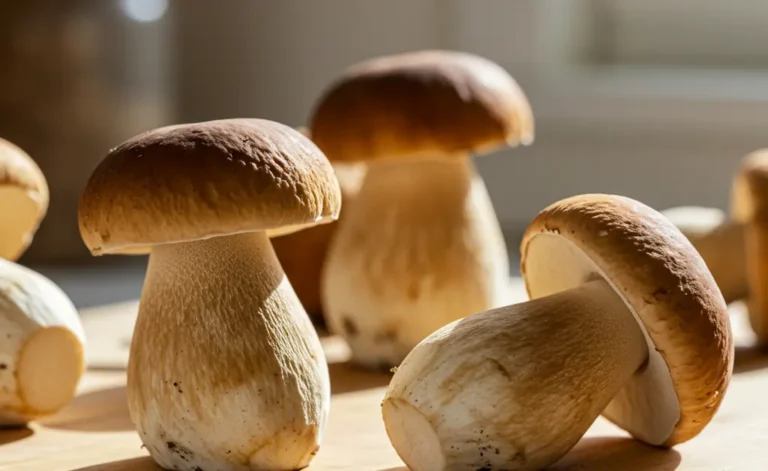
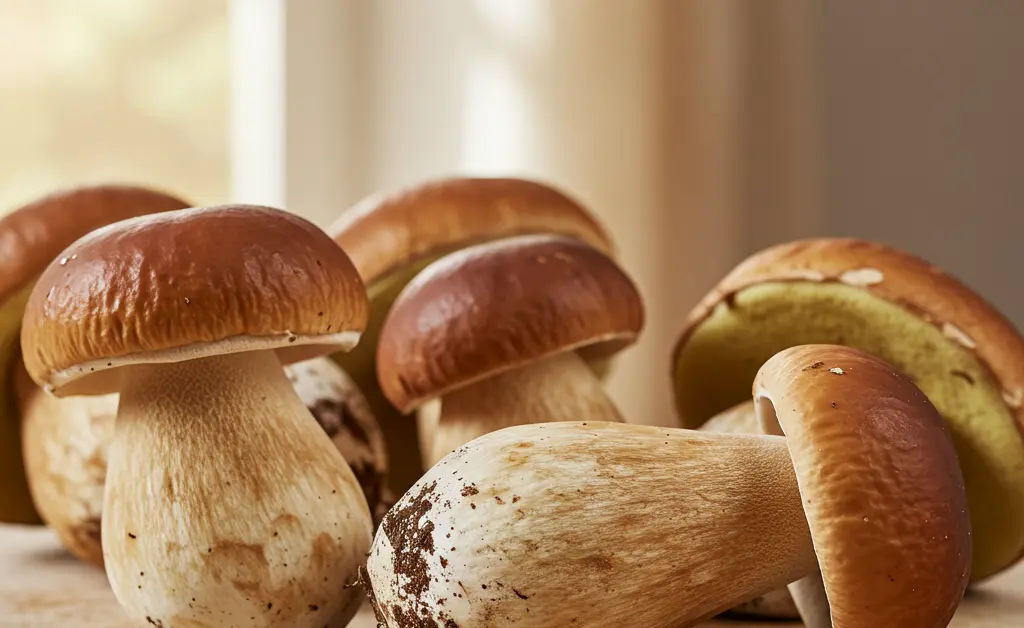
A mature porcini mushroom typically features a large, convex cap that can range in color from reddish-brown to dark brown, often feeling slightly sticky or smooth. The underside of the cap does not have gills but rather a spongy layer of tubes that release spores, which are typically whitish in young specimens, turning yellow-green with age. The stem is thick and bulbous, often whitish or light brown, and can be reticulated (net-like) with a fine pattern. Its firm, meaty flesh remains white even when cut, distinguishing it from some less desirable bolete varieties.
Habitat and Growth of Porcini Mushrooms
Porcini mushrooms are mycorrhizal fungi, meaning they form a symbiotic relationship with the roots of various trees, particularly conifers and hardwoods such as spruce, pine, oak, and chestnut. They thrive in temperate forests across the Northern Hemisphere, including Europe, North America, and parts of Asia. These mushrooms typically grow directly on the forest floor, often appearing in clusters or scattered formations. Their growth season generally spans from late summer through autumn, influenced by rainfall and temperature conditions. Foraging porcini mushrooms is a popular activity in many regions, though it requires knowledge to identify them correctly. The reishi mushroom, another well-known fungus, also grows in varied habitats.
Flavor Profile and Texture
The flavor of the porcini mushroom is intensely earthy, nutty, and savory, often described as having a deep umami character. It possesses a complex aroma that can evoke notes of forest floor, toasted bread, and even a hint of sweetness. Its texture is distinctly meaty and firm, especially when fresh, providing a satisfying bite that holds up well in various cooking applications. This unique combination of rich flavor and robust texture makes it a prized ingredient in gourmet cuisine.
Nutritional Information of Porcini
Porcini are not only celebrated for their flavor but also offer some nutritional benefits. They are generally considered a good source of dietary fiber and protein, contributing to a feeling of fullness. Additionally, these mushrooms may contain various vitamins, such as B vitamins, and minerals like potassium, selenium, and copper. While specific values can vary, incorporating porcini into a balanced diet may provide a flavorful way to enrich nutritional intake. Many fungi are considered natural supplements due to their beneficial compounds.
For more detailed health insights, consult resources from the NIH.
Fresh vs. Dried Porcini Mushrooms
The choice between fresh and dried porcini often depends on availability, cost, and the desired culinary outcome. Both forms offer distinct advantages and can be utilized to achieve different flavor intensities and textures in dishes.
Fresh vs. Dried Porcini
Fresh porcini are a seasonal delicacy, typically available in late summer and autumn. They boast a firm, meaty texture and a delicate, nuanced earthy flavor. Their substantial form makes them ideal for slicing and sautéing, grilling, or adding to risottos and pasta dishes where their texture can truly shine. Dried porcini, on the other hand, are available year-round and offer a far more concentrated flavor. The drying process intensifies their umami notes, making them incredibly potent. While they lose their fresh, firm texture, rehydrating them yields a tender, flavorful mushroom and a highly prized broth that can be used as a base for sauces, soups, and risottos. The deep, rich flavor of dried porcini is often preferred for dishes where a robust mushroom essence is desired. The tremella mushroom, known for its unique texture, is often used in different culinary applications.
Dried Domestic Porcini
While many associate dried porcini with European imports, domestic varieties are also available, particularly from regions in North America where Boletus edulis and its close relatives grow. These domestic options can provide a more localized and potentially fresher supply of dried porcini. Their flavor profile is comparable to their European counterparts, offering the same intense earthiness and umami that cooks cherish. When sourcing dried domestic porcini, look for reputable suppliers who ensure proper drying and storage methods to maintain quality and flavor.
Buying Porcini Mushrooms
Acquiring porcini mushrooms, whether fresh or dried, requires a keen eye for quality and an understanding of their unique market dynamics. Given their seasonal nature and intense flavor, knowing how to choose the best specimens is crucial for a successful culinary experience.
Why are porcini so expensive?
The cost of porcini mushrooms is often attributed to several factors. Firstly, they are wild-foraged mushrooms, meaning they cannot be cultivated commercially like button mushrooms. This reliance on natural growth cycles and skilled foragers makes their supply inherently limited and subject to environmental conditions. Secondly, their growing season is relatively short, leading to scarcity outside of prime harvesting times. Thirdly, their rich flavor and desirable texture make them a gourmet ingredient, driving up demand. Transportation costs for fresh porcini, which are delicate and perishable, also contribute to their premium price. For dried porcini, the labor-intensive process of drying and the concentration of flavor justify their cost.
What to Look for When Buying Fresh Porcini
When purchasing fresh porcini, examine them carefully for signs of quality. Look for firm, unblemished caps and stems that feel dense and heavy for their size. The color should be consistent with healthy porcini characteristics, typically shades of brown. Avoid any mushrooms that show signs of sliminess, excessive moisture, mold, or discoloration, as these indicate spoilage. The underside of the cap should ideally be whitish or pale yellow for younger, firmer specimens. A fresh porcini mushroom should also have a pleasant, earthy aroma without any off-putting smells. Smaller to medium-sized mushrooms often have a more concentrated flavor and firmer texture than very large ones.
Sourcing High-Quality Dried Porcini
Sourcing high-quality dried porcini is simpler than finding fresh ones, as they are available year-round. Look for packages where the mushrooms are visibly intact, not overly crumbly or dusty. The color should be a rich, uniform brown, and they should possess a strong, pleasant, earthy aroma when you open the package. Avoid any dried porcini that look pale, feel brittle, or have any signs of insect damage or mold. Reputable gourmet food stores, specialty markets, and online retailers specializing in fungi are generally the best places to find premium dried porcini. Always check the origin and packaging dates to ensure freshness and quality, as properly dried and stored porcini can retain their flavor for a significant period.
Preparing Porcini Mushrooms for Cooking
Proper preparation is key to unlocking the full potential of porcini mushrooms, whether fresh or dried. This involves careful cleaning, appropriate slicing, and mindful storage to preserve their unique qualities.
Cleaning Fresh Porcini
Cleaning fresh porcini requires a gentle approach to preserve their delicate flavor and texture. Unlike some cultivated mushrooms, porcini should generally not be rinsed under running water, as they can absorb excess moisture and become soggy. Instead, use a soft mushroom brush or a damp cloth to gently wipe away any dirt, debris, or pine needles from the cap and stem. For stubborn bits, a small knife can be used to carefully scrape them off. Trim any tough or discolored parts from the stem base. The goal is to remove impurities without saturating the mushroom with water, ensuring its earthy essence remains concentrated.
Slicing and Chopping Techniques for Porcini
How you slice or chop porcini depends on your intended recipe. For applications where the porcini mushroom is a star ingredient, such as a sauté or grilling, thick slices or halves are often preferred to showcase its meaty texture and robust shape. For risottos, pasta sauces, or stuffings, a finer dice or thinner slices may be more appropriate to distribute its flavor evenly throughout the dish. Always use a sharp knife to ensure clean cuts, which helps maintain the mushroom’s integrity and prevents bruising. The firm flesh of the porcini holds up well to various cutting methods, allowing for versatility in preparation.
Storing Fresh Porcini
Fresh porcini are highly perishable and should be used as soon as possible after purchase. If immediate use isn’t feasible, store them in a paper bag in the refrigerator. The paper bag allows for air circulation, preventing moisture buildup that can lead to spoilage. Avoid storing them in plastic bags, as this traps moisture and can accelerate deterioration. They should ideally be consumed within a few days of refrigeration to enjoy their peak flavor and texture. For longer storage, fresh porcini can be sautéed and then frozen, or even thinly sliced and dried.
Storing Dried Porcini
Dried porcini, unlike their fresh counterparts, have a long shelf life when stored correctly. Keep them in an airtight container in a cool, dark, and dry place, such as a pantry or cupboard. Protection from light, heat, and humidity is crucial to maintain their intense flavor and prevent spoilage. When stored properly, dried porcini can last for a year or even longer. Periodically check them for any signs of moisture or insect activity, though this is rare with good storage practices. Before use, dried porcini mushrooms need to be rehydrated in warm water for about 20-30 minutes, and the flavorful liquid can then be strained and used in cooking.
Popular Porcini Mushroom Recipes and Cooking Methods
The versatility of the porcini mushroom allows it to be incorporated into a wide array of dishes, from simple preparations that highlight its natural flavor to complex gourmet creations. Its robust taste makes it a welcome addition to many culinary traditions.
Classic Porcini Dishes
Porcini are particularly cherished in Italian cuisine, where they feature prominently in classic dishes. A prime example is risotto ai funghi porcini, where the rehydrated dried mushrooms and their broth create an incredibly rich and earthy rice dish. Fresh porcini are often simply sautéed with garlic, olive oil, and parsley, serving as a sublime side dish or mixed into pasta. They are also excellent in hearty soups, stews, and sauces, lending a deep umami foundation. Another popular preparation involves grilling thick slices of fresh porcini, often marinated simply with herbs and olive oil, to bring out their smoky flavor and meaty texture. Porcini can also be finely chopped and added to stuffings for poultry or vegetables, or used to flavor omelets and frittatas, showcasing their adaptability in various culinary contexts.
Pairing Porcini Mushrooms
The distinctive flavor profile of porcini mushrooms makes them a harmonious partner for a variety of ingredients, enhancing both savory and sometimes even unexpected sweet applications. Understanding these pairings can elevate a dish from good to exceptional.
Complementary Flavors for Porcini
The earthy, nutty, and savory notes of porcini mushrooms marry well with a range of flavors. Herbs like thyme, rosemary, and parsley are classic companions, bringing out the mushroom’s natural aromatics. Garlic and shallots provide a pungent base that enhances the porcini’s richness without overpowering it. Rich fats such as butter and olive oil are often used to sauté porcini, helping to distribute their flavor and provide a luxurious mouthfeel. Meats like beef, veal, and chicken, especially in stews or braises, benefit greatly from the deep umami of porcini. Cream, cheese (especially Parmesan or Pecorino), and eggs also form excellent pairings, creating comforting and satisfying dishes. For beverages, robust red wines, particularly those with earthy notes like Pinot Noir or Nebbiolo, can complement the porcini’s complexity. Unexpectedly, a touch of acidity from lemon juice or a splash of white wine can brighten a porcini dish, balancing its richness.
This information should be viewed as educational rather than medical advice. The content provided is for general knowledge and informational purposes only, and does not constitute medical, health, or dietary advice. It is not intended to be a substitute for professional medical advice, diagnosis, or treatment. Always seek the advice of your physician or other qualified health provider with any questions you may have regarding a medical condition or dietary needs.
FAQ
— What does porcini mushroom taste like?
The porcini mushroom boasts a rich, earthy flavor profile with distinct nutty undertones. Its savory essence is often described as umami-rich, contributing a deep, hearty dimension to culinary creations. This unique taste is highly prized and can elevate a variety of dishes.
— Can porcini mushrooms be eaten fresh?
Yes, fresh porcini mushrooms are edible and can be enjoyed raw or cooked. When eaten fresh, they tend to have a firmer texture and a slightly milder flavor compared to their rehydrated dried counterparts. However, many culinary traditions favor cooking them to fully develop their complex taste and tenderize their texture.
— How do you cook porcini mushrooms?
Cooking porcini mushrooms typically involves methods that highlight their robust flavor. They are often sautéed with olive oil and garlic, roasted, or simmered into sauces and risottos. The goal is to gently coax out their intense, savory notes, allowing them to meld beautifully with other ingredients.
— What are porcini mushrooms used for?
Porcini mushrooms are highly valued in cooking for their ability to impart a profound depth of flavor to dishes. They are frequently incorporated into pasta sauces, risottos, soups, stews, and omelets, serving as a foundational ingredient that adds a luxurious, earthy essence. Their presence enriches the overall gastronomic experience.
— How do you prepare dried porcini mushrooms?
To prepare dried porcini mushrooms, they must first be rehydrated by soaking them in warm water for about 20 to 30 minutes until soft. This process not only restores their texture but also creates a flavorful liquid, which can then be strained and incorporated into your recipe to intensify the mushroom’s essence. The rehydrated mushrooms are then ready to be cooked as desired.