
Just as a home chef might swap out basil for oregano when a recipe calls for it but none is available, commercial kitchens often face similar culinary dilemmas. Oyster mushrooms, prized for their delicate texture, mild flavor, and ability to absorb other tastes, are a staple in many dishes. However, supply chain issues, cost fluctuations, or specific dietary requirements can necessitate finding viable alternatives. Identifying an effective oyster mushroom substitute is crucial for maintaining dish quality and consistency. This guide explores various options, from other fungi varieties to plant-based ingredients, ensuring chefs can confidently adapt recipes without compromising on taste or texture.
Best Oyster Mushroom Substitutes for Cooking
When selecting an oyster mushroom substitute, the goal is often to match its unique characteristics: a delicate yet satisfying texture, a mild earthy flavor, and its excellent ability to absorb marinades and sauces. Commercial kitchens need reliable replacements that perform well under various cooking methods, from sautéing to grilling, ensuring the final dish retains its intended profile. Factors to Consider When Choosing an Oyster Mushroom Substitute include the desired texture, flavor intensity, and how the ingredient will interact with other components of the dish.
Other Mushroom Varieties
Beyond oyster mushrooms, several other fungi varieties offer compelling profiles for different culinary applications. Cremini mushrooms, often called baby portobellos, provide a firmer texture and a richer, more earthy flavor than white button mushrooms. Portobello mushrooms, the mature form of cremini, are larger and boast a substantial, meaty texture, making them excellent for grilling or roasting. Maitake mushrooms, also known as Hen of the Woods, have a delicate, feathery texture and a complex, peppery flavor that can add significant depth to an oyster mushroom recipe. These mushrooms can bring a savory, umami quality that is essential for replicating the experience of the original ingredient.
Trumpet mushroom substitute for king oyster mushrooms
King oyster mushrooms, a distinct variety within the oyster mushroom family, are highly valued for their thick stems and meaty texture, often used as a plant-based alternative for scallops or other protein-rich dishes. When looking for a trumpet mushroom substitute for king oyster mushrooms, it’s important to note that “trumpet mushroom” often refers to the king oyster mushroom itself. However, if a different alternative with a similar profile is needed, varieties like beech mushrooms can offer a satisfying crunch and mild flavor, though their texture is not as dense. For a truly comparable meaty texture in a veganrecipe, large shiitake mushrooms or even some preparations of lion’s mane mushrooms can be considered, as they offer a substantial bite that can mimic the king oyster’s unique characteristics.
Vegan Oyster Mushroom Substitute Options
For kitchens catering to vegan diets, finding an effective oyster mushroom substitute that doesn’t compromise on texture or umami is paramount. For general healthy eating advice and dietary information, consult resources like the NHS. The natural savory depth of oyster mushrooms makes them a popular choice in plant-based cooking, and their replacement requires careful consideration of flavor and structural integrity.
Vegan Oyster Mushroom Alternatives
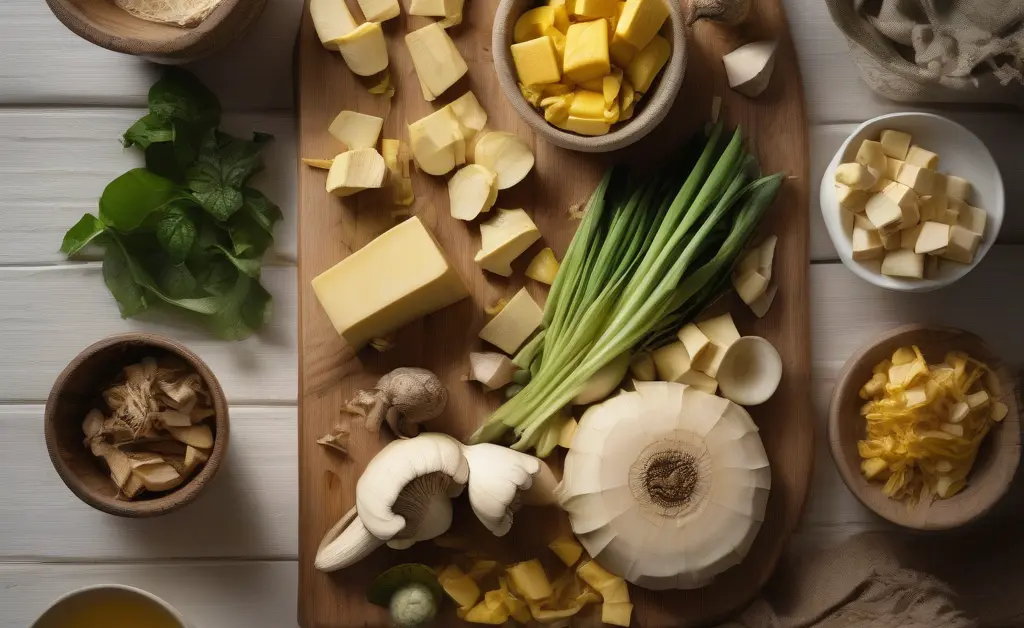
The culinary landscape offers a growing number of vegan oyster mushroom alternatives that can stand in for their fungal counterparts. These options are particularly useful for creating satisfying, plant-based dishes that don’t rely on animal products. The key is often to select ingredients that can absorb flavors effectively and mimic the tender yet firm bite of mushrooms. Tofu and tempeh are versatile plant-based ingredients that, when prepared correctly, can offer a good replacement for the texture and act as excellent canvases for absorbing savory marinades and seasonings. Many chefs incorporate these into an oyster mushroom curry recipe for a hearty, plant-based meal.
Plant-Based Options for Similar Texture
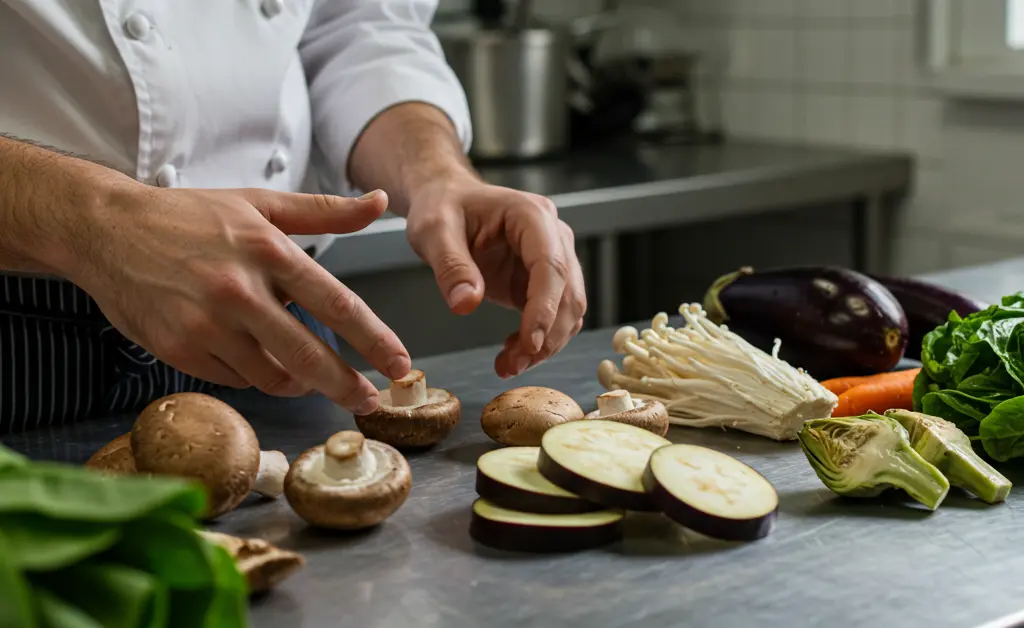
Replicating the unique texture of oyster mushrooms is a common challenge, but several plant-based options excel in this area. Young green jackfruit, when cooked and shredded, can mimic the fibrous, meaty texture of mushrooms, making it ideal for dishes where a pulled or shredded consistency is desired. Shredded jackfruit, for instance, makes an excellent base for an oyster mushroom tacos recipe. Eggplant, particularly varieties like Japanese eggplant, can be sliced and pan-fried or roasted to achieve a tender, almost meaty consistency that readily absorbs flavors. Artichoke hearts, especially when marinated, can provide a tender, slightly chewy bite that works well in many recipes. These ingredients require careful preparation, but they offer excellent versatility for achieving a similar texture in a wide range of veganrecipes.
Shiitake Mushrooms as an Oyster Mushroom Substitute
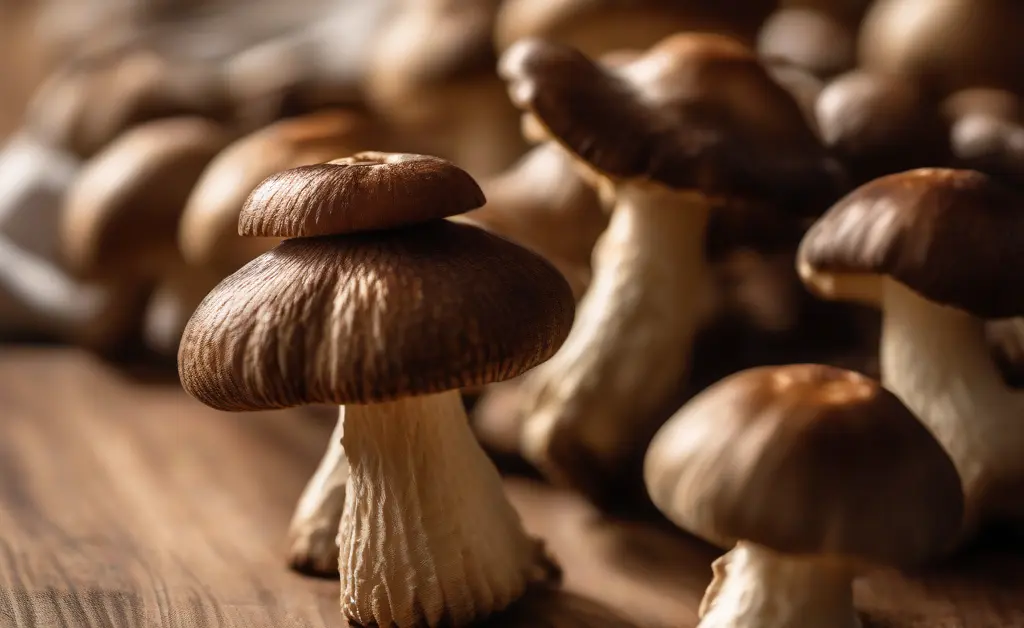
Among the various fungal choices, shiitake mushrooms emerge as a compelling oyster mushroom substitute due to their robust flavor and satisfying texture. They bring a distinct profile that can enhance many dishes where oyster mushrooms are typically used.
Shiitake Mushrooms
Shiitake mushrooms are celebrated for their rich, umami flavor, often described as savory and slightly smoky, which can provide excellent depth to an oyster mushroom recipe. Their texture is firm and meaty when cooked, offering a satisfying bite that holds up well in stir-fries, soups, and sautés. They are available fresh or dried and pre-sliced, with the dried varieties often having a more concentrated flavor that can be rehydrated and used in various ways. When incorporated into cooking, shiitake mushrooms not only provide a delightful flavor profile but also contribute significantly to the overall texture, making them a popular and reliable replacement for oyster mushrooms in a multitude of culinary applications. Chefs appreciate their versatility and how they consistently deliver a flavorful and substantial ingredient to dishes.
Non-Mushroom Alternatives to Oyster Mushrooms

When a fungi-free oyster mushroom substitute is required, or simply a different culinary approach is desired, several non-mushroom ingredients can successfully step in. The aim is often to replicate the tender yet firm texture and the ability to absorb rich, savory flavors, which are hallmarks of oyster mushrooms. These properties are especially useful when developing an oyster mushroom sauce recipe.
Tofu, particularly extra-firm or super-firm varieties, can be pressed and cut into strips or pieces to mimic the shape and bite of mushrooms. It readily absorbs marinades, allowing chefs to infuse it with the desired savory or umami notes. Similarly, tempeh, a fermented soybean product, offers a denser, chewier texture and a slightly nutty flavor that can work well as a replacement, especially when crumbled or sliced. Eggplant, as mentioned previously, is another excellent choice; its spongy flesh can be prepared to achieve a tender, meaty consistency. Furthermore, prepared artichoke hearts can provide a delicate texture and a slightly tangy, savory flavor that can be a pleasant alternative. These non-mushroom options demonstrate the breadth of available Ingredients for Umami and Savory Depth, allowing for flexibility in commercial kitchens while maintaining the integrity and appeal of an oyster mushroom recipe.
Finding the right oyster mushroom alternative is about more than just replacing an ingredient; it’s about understanding the core contributions of the mushroom to a dish—its texture, its subtle flavor, and its role in absorbing other tastes. Whether opting for another variety of fungi or a plant-based ingredient, the goal remains to maintain the quality and consistency that commercial kitchens demand. By considering the specific needs of an oyster mushroom recipe and the desired outcome, chefs can confidently navigate their options and continue to create exceptional culinary experiences, even when the primary ingredient is unavailable.
not applicable
FAQ
What is a good substitute for oyster mushrooms?
Finding a suitable oyster mushroom substitute often depends on whether you prioritize texture or flavor. Enoki mushrooms offer a similar delicate texture and mild taste, while king oyster mushrooms provide a heartier, more substantial bite if you’re looking for something with a bit more chew.
Are shiitake mushrooms a good replacement for oyster mushrooms?
Shiitake mushrooms can serve as a replacement, especially when a rich, umami flavor and a meatier texture are desired in a dish. While their flavor profile is more pronounced and earthy compared to the delicate taste of oyster mushrooms, they offer a satisfying chew that can work well in many culinary applications.
What can I use instead of oyster mushrooms for texture?
For dishes where the tender yet slightly chewy texture of oyster mushrooms is crucial, king oyster mushrooms are an excellent choice due to their firm stems and meaty caps that hold up well during cooking. Additionally, certain types of firm-fleshed wild mushrooms, like hen of the woods, can offer a satisfyingly robust and somewhat similar fibrous quality.
Are there vegan substitutes for oyster mushrooms?
Since mushrooms are fungi and not animal products, all types of mushrooms, including oyster mushrooms, are inherently vegan. If you are seeking plant-based alternatives that replicate a similar texture, ingredients like shredded hearts of palm or even some seitan preparations can sometimes offer a comparable chewiness in certain recipes.