
Contrary to the common belief that cultivating gourmet mushrooms is a daunting task requiring specialized equipment or a dedicated farm, the reality is far more approachable. Many aspiring growers are surprised to learn that some of the most flavorful and robust shiitake can be grown using a surprisingly natural and sustainable method. This guide will demystify the process, revealing how easily you can begin producing your own supply of these sought-after fungi. We will explore everything from where to acquire high-quality shiitake mushroom logs to the simple steps involved in their successful inoculation and long-term care, turning what seems like a complex endeavor into a rewarding home gardening project.
Growing Shiitake Mushrooms on Logs: An Overview
The Basics of Hardwood-Log Shiitake Mushroom Production
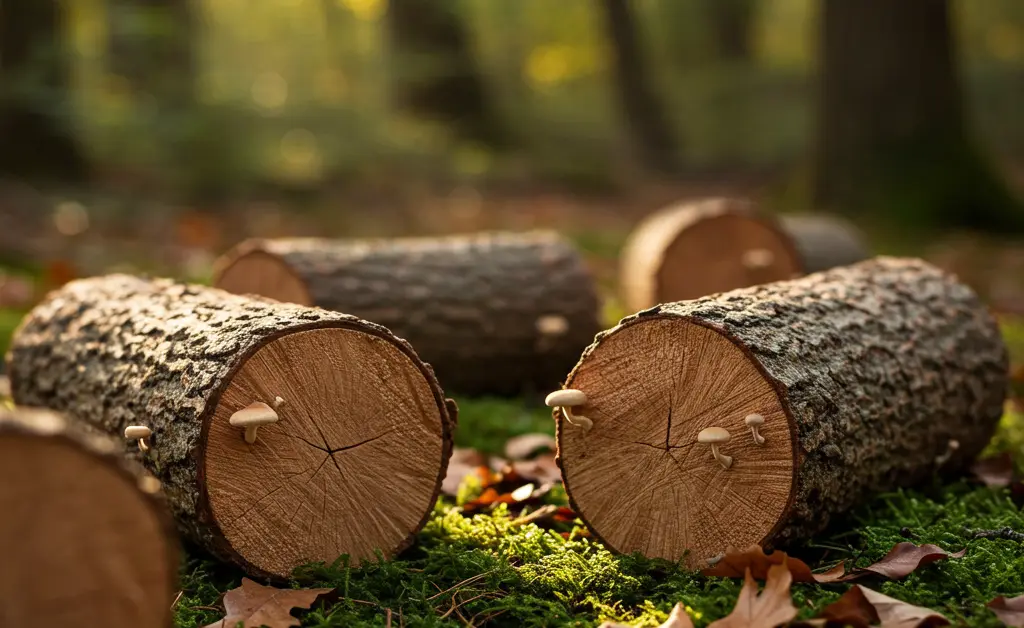
Growing shiitake mushrooms on hardwood logs involves a natural process where the mushroom’s mycelium, essentially the root-like structure of the fungi, colonizes a cut log. This method leverages the natural lifecycle of shiitake, providing a rich, organic substrate that mimics their native forest environment. The success of log mushroom cultivation hinges on providing the right conditions for the mycelium to fully establish itself within the wood before it begins producing edible mushrooms.
What Makes Logs Ideal for Shiitake?
Hardwood logs serve as an ideal substrate for shiitake due to their dense structure and nutrient composition. Unlike artificial substrates, logs provide a long-lasting food source and a stable environment that can support multiple fruiting cycles over several years. The natural protection offered by the bark also helps maintain consistent moisture and temperature, crucial elements for successful shiitake propagation and the development of robust fungi.
Benefits of Growing Shiitake on Hardwood Logs
Cultivating shiitake on hardwood logs offers numerous advantages, from superior flavor and texture to a highly sustainable gardening practice. This outdoor cultivation method yields mushrooms with a more intense, earthy taste compared to those grown on synthetic substrates. Furthermore, once established, these logs can continue to produce mushrooms for a considerable duration, making it a productive and environmentally friendly endeavor. It’s a method that aligns well with sustainable living and offers the rewarding experience of harvesting your own gourmet fungi. Beyond shiitake, one can also learn about growing turkey tail mushroom for different health benefits. For standards related to food safety, consulting resources like EFSA can provide valuable information on edible fungi.
Subsequent Flushes and Log Longevity
One of the most appealing aspects of using shiitake mushroom logs is their ability to produce multiple “flushes” or harvests over time. After the initial fruiting, logs can be re-stimulated to produce more mushrooms, often yielding for several years, depending on the log’s size, wood type, and environmental conditions. This extended log longevity means a single investment can provide a steady supply of fresh shiitake, with fruiting cycles typically occurring seasonally.
Preventing Contamination and Pests in Shiitake Logs
Maintaining healthy shiitake mushroom logs requires attention to preventing contamination from competing fungi and deterring pests. Proper site selection, ensuring good air circulation, and avoiding overly wet conditions can minimize issues with undesirable molds or fungi. Protecting logs from rodents and insects often involves elevated storage or physical barriers. Regularly inspecting the logs and addressing any signs of trouble early on is key to successful outdoor cultivation and maximizing yields.
Where to Buy Shiitake Mushroom Logs
Shiitake Mushroom Log Kits and Outdoor Growing Kits
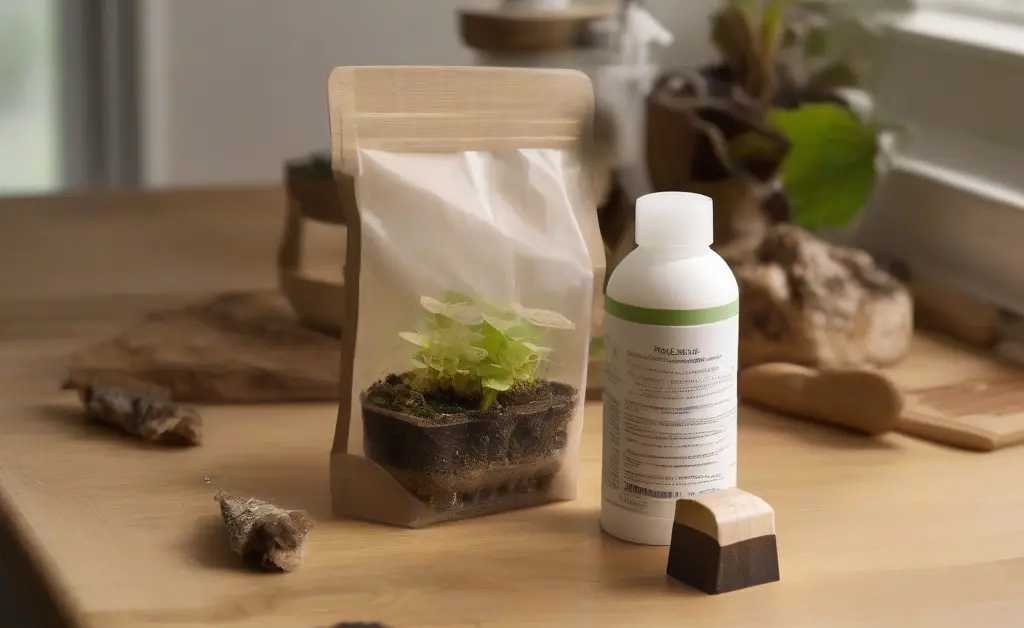
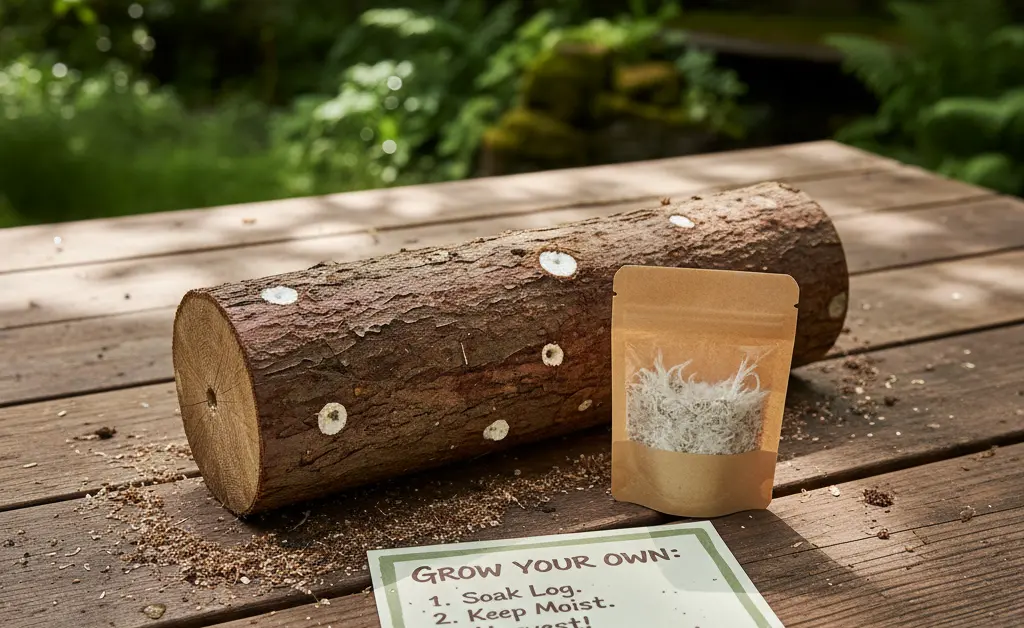
For those new to mushroom cultivation or seeking a convenient entry point, shiitake mushroom log kits and outdoor growing kits are excellent options. These kits often come with pre-inoculated logs or the necessary spawn plugs and instructions for self-inoculation. They typically include everything needed to start growing, making the process straightforward. Such kits remove much of the guesswork, providing a reliable way to begin your log mushroom cultivation journey with quality materials. Those interested in other varieties may also find a suitable turkey tail mushroom grow kit UK for their specific needs.
Shiitake Mushroom Logs For Sale
Pre-inoculated shiitake mushroom logs for sale can be found from a variety of sources, including specialty mushroom farms, online retailers, and even some garden supply centers. When purchasing, look for reputable suppliers who guarantee fresh, high-quality logs that have been properly inoculated with shiitake spawn. These ready-to-grow logs shorten the incubation period, allowing you to enjoy harvests sooner. Verify the type of hardwood used and the age of the inoculation for best results. Many suppliers also offer a complete shiitake mushroom growing kit for those seeking an all-in-one solution.
Finding Shiitake Mushroom Logs Near You
Locating shiitake mushroom logs near you might involve exploring local farmers’ markets, agricultural cooperatives, or contacting local mushroom growers. Many small-scale farms specialize in log mushroom cultivation and offer their products directly to consumers. Additionally, regional mycological societies or gardening clubs can be valuable resources for finding local suppliers or even workshops on how to create your own shiitake mushroom logs. Local sourcing often ensures fresher logs and provides an opportunity to support community agriculture. For broader cultivation, insights into shiitake mushroom farming in India offer a global perspective on growing these fungi.
Inoculating Shiitake Mushroom Logs: A Step-by-Step Guide
Selecting Hardwood Logs for Inoculation
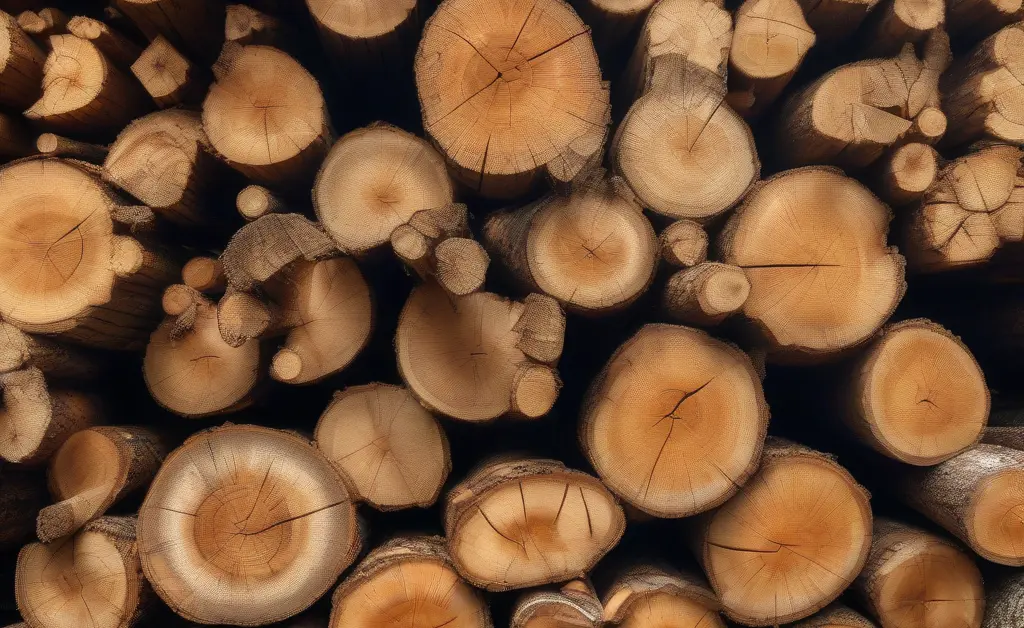
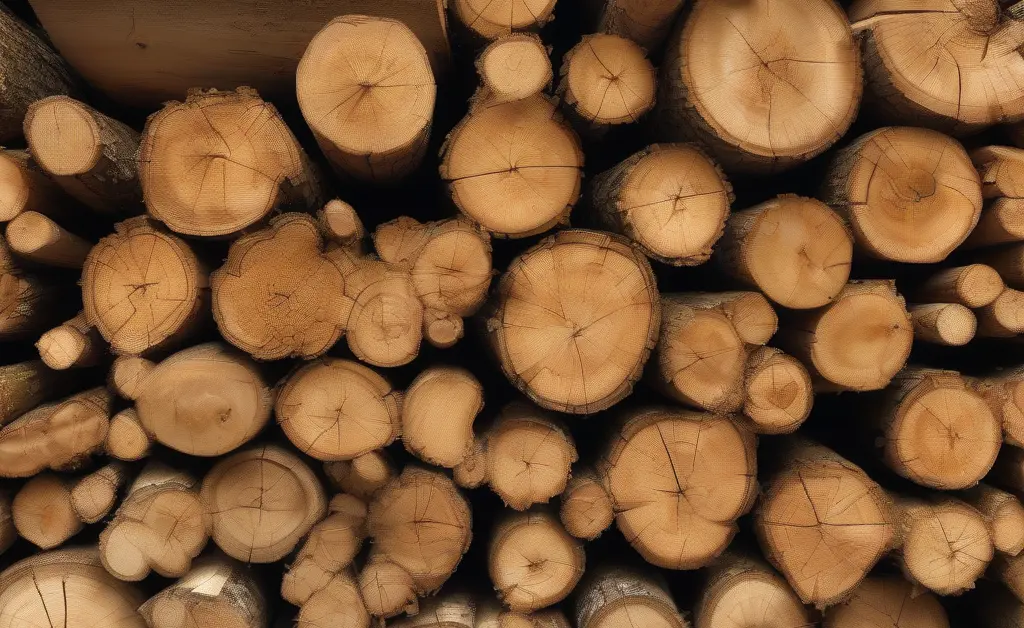
The success of your shiitake mushroom logs begins with selecting the right hardwood. Species like oak, maple, birch, and sweetgum are commonly favored for their density and nutrient content. It’s crucial to choose freshly cut logs, ideally from healthy, living trees, as logs that have been dead for too long may already be colonized by other fungi. Logs typically need to be cut to a manageable length, often between three and four feet, and allowed a short resting period before inoculation.
Preparing Logs for Inoculation
Preparation of the logs is a critical step in the inoculation process. This involves drilling holes into the logs in a specific pattern, usually spaced several inches apart, into which the mushroom spawn will be inserted. Essential tools for this task include a drill with the appropriate bit size for your spawn plugs or sawdust spawn, and a tool for inserting the spawn. After insertion, the holes are sealed with a food-grade sealing wax. This wax protects the delicate mycelium from drying out and prevents competitive organisms from entering the log, giving the shiitake mycelium the best chance to colonize its new substrate.
Understanding the Log Incubation Period
After inoculation, shiitake mushroom logs enter an extended incubation period, during which the mycelium grows and colonizes the entire log. This process can take several months to a year, depending on the wood species, log size, and environmental conditions. During incubation, logs should be stored in a shaded, humid location, such as under trees or in a shaded woodshed, where they are protected from direct sunlight and drying winds. Consistent moisture and appropriate temperature are vital for successful colonization and for the subsequent fruiting cycles. Patience during this phase is rewarded with robust mushroom production.
Embarking on the journey of cultivating shiitake mushrooms on logs is a rewarding endeavor that connects you directly with the natural world. From selecting the right hardwood to understanding the subtle art of inoculation and nurturing your logs through their incubation period, each step brings you closer to harvesting your own gourmet fungi. With proper care and a little patience, your shiitake mushroom logs will provide a sustainable and delicious bounty for years to come, transforming a simple garden project into a source of culinary delight and personal satisfaction.
The information in this article is intended for knowledge purposes only. It is not a substitute for professional guidance or advice. Always consult with relevant experts or authorities for specific recommendations related to cultivation practices or other related topics. The content aims to provide general information and should be used responsibly in conjunction with established best practices.
FAQ
— How long does it take for shiitake mushrooms to grow on logs?
After inoculation, the mycelium typically requires several months, often 6 to 18, to fully colonize the log before the first mushrooms begin to appear. The initial fruiting usually occurs during appropriate seasonal conditions, and logs can continue to produce flushes annually for several years. This entire process is dependent on factors like log size, wood density, and environmental conditions.
— What kind of logs are best for growing shiitake mushrooms?
Dense hardwoods such as oak, sugar maple, ironwood, and sweetgum are highly recommended for growing shiitake mushroom logs because their sapwood provides an excellent, long-lasting nutrient source for the mycelium. It is important to use freshly cut wood, ideally within a few weeks of felling, to ensure it retains sufficient moisture and nutrients while being free from competing fungi. These wood characteristics are crucial for successful colonization and sustained mushroom production.
— Can you grow shiitake mushrooms outdoors on logs?
Yes, growing shiitake mushrooms outdoors on logs is a very common and effective method, as it mimics their natural forest habitat. Logs are typically placed in shady, moist areas of a yard or woodland to protect them from direct sunlight and help maintain the high humidity levels necessary for mycelial growth and successful fruiting. This outdoor placement supports a natural cycle of mushroom production, often yielding harvests for multiple seasons.