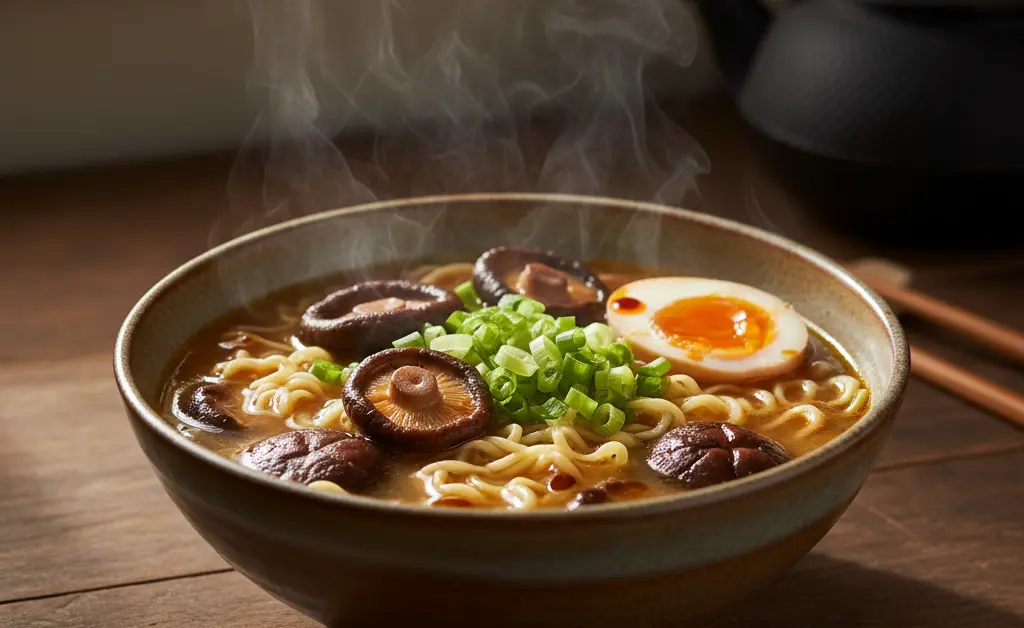
In recent years, the pursuit of wholesome, flavorful home-cooked meals has become a significant lifestyle trend, with many kitchens transforming into hubs for culinary exploration. There’s a growing appreciation for dishes that deliver both comfort and complex taste profiles, drawing inspiration from diverse global cuisines. This shift reflects a desire for more mindful eating and the enjoyment of crafting nourishing bowls from scratch. Among the myriad options, a deeply satisfying bowl offering a rich umami experience stands out. This guide delves into mastering the art of preparing exquisite shiitake mushroom ramen, an ideal dish for those looking to expand their culinary repertoire with a delicious, warming, and nutrient-packed meal perfectly suited for a cozy evening at home.
Why You’ll Love Shiitake Mushroom Ramen
There are countless reasons why this particular dish has captured the hearts and palates of many home cooks. Beyond its comforting warmth, a well-prepared shiitake mushroom ramen offers a unique blend of flavors and textures that satisfy on multiple levels. The inherent earthiness of the shiitake mushrooms provides a robust foundation, contributing a deep, savory umami quality that is both complex and incredibly satisfying. For more information on nutritional benefits of various ingredients, resources like the NIH provide extensive data. It’s a versatile dish that can be easily adapted to various dietary preferences, making it a crowd-pleaser for vegetarian, vegan, or even meat-inclusive tables. Beyond ramen, you might also consider delicious shiitake mushroom recipes for steak to complement a different kind of meal. Furthermore, preparing homemade ramen can be a surprisingly straightforward process, transforming what might seem like a gourmet endeavor into an accessible and enjoyable weeknight dinner. The ability to control ingredients also means a fresher, often more nutritious meal tailored precisely to your taste.
Key Ingredients for Your Flavorful Bowl
Crafting an exceptional bowl of ramen begins with selecting the right components. Each ingredient plays a crucial role in building the layered flavors and textures that define this hearty soup. From the star fungi to the savory liquid and perfect noodles, attention to detail in ingredient selection will elevate your homemade shiitake mushroom ramen from good to truly extraordinary. You can also explore a variety of other shiitake mushroom stir-fry dishes for different culinary experiences.
Fresh vs. Dried Shiitake Mushrooms
When it comes to shiitake mushrooms, you often have the choice between fresh and dried varieties, each offering distinct advantages. Fresh shiitake mushrooms provide a tender, meaty texture and a milder, more delicate mushroom flavor. They are excellent for quick cooking and add a pleasant chewiness to your ramen. Dried shiitake mushrooms, however, are a powerhouse of umami. Rehydrating them releases intense, concentrated flavors into the broth, significantly deepening the overall savory profile. The soaking liquid itself becomes a valuable stock, often referred to as dashi, which can be incorporated directly into your ramen broth. For the most profound mushroom flavor, many chefs recommend using dried shiitake, or a combination of both for a full spectrum of taste and texture.
Choosing Your Ramen Broth Base
The broth is the soul of any ramen. For a shiitake mushroom ramen, a rich, savory broth is paramount. Vegetable broth forms an excellent foundation, especially for vegetarian or vegan options, providing a clean canvas for the mushroom’s flavor to shine. For an added layer of complexity, consider using a kombu (kelp) dashi or a mushroom-based stock, which will further amplify the umami. To this base, you’ll typically add flavor enhancers such as soy sauce for saltiness and depth, mirin for a touch of sweetness, and miso paste for its fermented, savory complexity. Aromatic ingredients like fresh ginger and garlic, sautéed gently, will infuse the broth with a warm, inviting aroma and taste.
Noodle Selection: Traditional & Quick Alternatives
The noodles are an indispensable element of any ramen. Traditionally, ramen noodles are springy, chewy, and slightly alkaline, designed to hold up well in hot broth. You can often find fresh or dried traditional ramen noodles in Asian markets or the international aisle of larger supermarkets. For a quicker alternative, high-quality instant ramen noodles (discarding the seasoning packets, or using them sparingly) can serve as a convenient substitute, though they may lack the texture of their fresh counterparts. Other options include udon noodles for a thicker, chewier bite, or even soba noodles for a nuttier flavor, though these will alter the classic ramen experience.
Flavor Boosters & Garnishes
Garnishes are not just for aesthetics; they add fresh textures, vibrant colors, and critical flavor contrasts that complete your shiitake mushroom ramen. Essential flavor boosters and garnishes include thinly sliced scallions, which provide a fresh, pungent bite; sheets of nori (dried seaweed), offering a subtle oceanic flavor; and a drizzle of aromatic sesame oil for a nutty finish. Other popular additions might be crisp bok choy, corn kernels for sweetness, chili oil for a spicy kick, or even blanched edamame for a pop of green and protein. A rich shiitake mushroom sauce can also be a wonderful complement to many dishes, offering an extra layer of umami. These final touches elevate the dish from a simple soup to a complete and visually appealing meal.
Shiitake Mushroom Ramen: The Ultimate Recipe
Crafting a truly satisfying bowl of shiitake mushroom ramen is an art that combines careful preparation with thoughtful execution. This ultimate recipe guides you through the process, ensuring a flavorful and comforting meal that you’ll be proud to serve. The balance of earthy mushrooms, rich broth, and perfectly cooked noodles creates an experience that delights the senses.
Preparing Your Ingredients
Before you begin cooking, it’s crucial to have all your ingredients prepped and ready. If using dried shiitake mushrooms for ramen, start by rehydrating them in hot water for at least 30 minutes, or until soft. Reserve the soaking liquid, as it’s packed with umami. Once rehydrated, slice the mushrooms thinly. Mince your garlic and ginger. Slice your scallions, separating the white and green parts. Prepare any other vegetables or proteins you plan to include, such as chopping bok choy or preparing tofu. This mise en place approach ensures a smooth and enjoyable cooking process, allowing you to focus on building flavors without interruption.
Step-by-Step Guide to Crafting Shiitake Mushroom Ramen
Embarking on the journey of making homemade ramen can seem daunting, but by breaking it down into manageable steps, you’ll find it to be a rewarding culinary adventure. This guide simplifies the process, focusing on the core techniques for a delicious shiitake mushroom ramen.
Building the Flavorful Broth
The heart of your shiitake mushroom ramen is its broth. Begin by heating a drizzle of sesame oil in a pot over medium heat. Add the minced garlic and ginger, sautéing until fragrant, usually about 30 seconds to a minute. Be careful not to burn them. Next, add your sliced fresh shiitake mushrooms (if using fresh) and cook until they soften slightly. Pour in your chosen broth base, such as vegetable stock or the reserved shiitake soaking liquid. Stir in soy sauce, mirin, and miso paste until well combined. Bring the broth to a gentle simmer, then reduce the heat to low, allowing it to meld and deepen its flavors for at least 10-15 minutes. This slow infusion ensures a truly savory and complex base.
Cooking the Noodles to Perfection
While your broth is simmering, bring a separate pot of water to a rolling boil for the noodles. Cook the ramen noodles according to package instructions, typically for only a few minutes. It’s essential not to overcook them; aim for an al dente texture that still has a slight chewiness. Once cooked, drain the noodles thoroughly. Some prefer to rinse them briefly under cold water to prevent sticking, though for ramen, it’s often best to immediately transfer them to the serving bowls so they can absorb the hot broth.
Assembling Your Ramen Bowl
Assembling your ramen bowl is where all your efforts come together. Start by placing the cooked noodles in the bottom of deep serving bowls. Carefully ladle the hot, flavorful broth over the noodles, ensuring they are fully submerged. Now comes the exciting part: arranging your toppings. Artfully place slices of shiitake mushroom in ramen bowls, along with any other prepared ingredients like bok choy, scallions, nori, or a soft-boiled egg. A final drizzle of sesame oil or a dash of chili oil can add an extra layer of aroma and flavor. Serve immediately to enjoy the warmth and freshness of your homemade creation.
Tips for Perfecting Your Homemade Ramen
Achieving a truly outstanding bowl of homemade ramen involves a few key considerations that can significantly impact the final taste and experience. Attention to these details will help you elevate your culinary creation.
Achieving the Ideal Noodle Texture
The texture of your noodles is paramount to a great ramen experience. As mentioned, cooking them al dente is crucial. This means they should be firm to the bite, not mushy. It’s often better to slightly undercook them, as they will continue to soften slightly in the hot broth. Serve your ramen immediately after assembling to prevent the noodles from becoming waterlogged. If preparing multiple bowls, cook noodles in batches to ensure optimal texture for everyone. For those who enjoy a firmer noodle, consider running them under cold water briefly after draining, then quickly reheating them by dipping them back into the hot broth for a few seconds before serving.
Don’t Forget the Garnishes!
Garnishes are not merely decorative; they contribute vital fresh flavors, textures, and aromas that balance the richness of the broth and noodles. Fresh scallions add a crisp, pungent freshness, while a sheet of nori brings a subtle briny note. A perfectly cooked soft-boiled egg with a jammy yolk provides richness and protein. Other additions like thinly sliced chili for heat, toasted sesame seeds for crunch, or a swirl of chili oil can transform the dish. These elements are essential for a complete sensory experience and should not be overlooked when preparing your ramen.
Variations & Customizations for Your Ramen
One of the joys of making homemade ramen is the endless possibility for customization. Once you’ve mastered the basic shiitake mushroom ramen recipe, you can easily adapt it to suit your preferences or what you have on hand, making each bowl uniquely yours.
Making it Vegan or Vegetarian
The core shiitake mushroom ramen recipe is inherently vegetarian-friendly, especially when using a vegetable broth or kombu dashi. To ensure it’s fully vegan, simply avoid any animal products. This means omitting toppings like soft-boiled eggs. Instead, enhance the protein and texture with pan-fried or baked tofu, tempeh, or edamame. Ensure your miso paste is also vegan, as some brands may contain dashi made with fish products. Nutritional yeast can be added to the broth for an extra cheesy, umami depth without dairy.
Adding Protein: Tofu, Egg, or Chicken
While the shiitake mushrooms themselves offer a satisfying texture, you might want to add additional protein to your ramen. For vegetarian and vegan options, crispy pan-fried tofu, marinated and baked tempeh, or even a handful of blanched edamame are excellent choices. For those who enjoy animal protein, a perfectly soft-boiled egg (ajitsuke tamago) is a classic ramen topping, offering a creamy yolk and savory flavor. Thinly sliced, pre-cooked chicken breast or thigh, seasoned and seared, can also be a delicious addition, adding another layer of heartiness to your bowl.
Spicy Kicks and Other Flavor Adjustments
For those who love a bit of heat, incorporating spicy elements can dramatically transform your ramen. A drizzle of chili oil is a simple and effective way to add a gentle warmth, while a dollop of gochujang (Korean chili paste) or sriracha can provide a more pronounced kick. Freshly sliced bird’s eye chilies can also be added for intense heat. Beyond spice, consider other flavor adjustments: a squeeze of lime juice for brightness, a dash of rice vinegar for tang, or a spoonful of tahini for a richer, nutty creaminess. Experiment with different seasonings and sauces to discover your perfect flavor balance.
Serving & Storing Your Shiitake Mushroom Ramen
To fully enjoy your delicious homemade ramen, how you serve and store it makes a difference. The best ramen is typically eaten fresh, right after assembly, to preserve the integrity of the noodles and the warmth of the broth. If you anticipate leftovers or are planning to prepare ahead, a few simple tips can help maintain quality.
For serving, ensure your bowls are warm, perhaps by rinsing them with hot water before adding the noodles and broth. This helps keep the ramen at an optimal temperature for longer. Presenting the shiitake mushroom ramen with toppings neatly arranged on top makes for an inviting and appetizing meal. When it comes to storing, it’s generally best to keep the broth separate from the cooked noodles and any fragile garnishes. Cooked noodles can become soggy if left to soak in the broth for too long. Store the broth in an airtight container in the refrigerator for up to 3-4 days. Cooked noodles should be stored separately, ideally for no more than 1-2 days. Reheat the broth gently on the stove and cook fresh noodles, or briefly reheat pre-cooked noodles, when ready to enjoy your homemade shiitake mushroom ramen again. This method helps maintain the desired texture and freshness.
The purpose of this content is to educate, not to diagnose or treat. This guide offers general information regarding the preparation of a culinary dish and is not intended to provide specific nutritional advice or medical recommendations. While the article discusses various ingredients, it does not endorse them for any health-related claims. Always consult with a qualified professional for any health concerns or before making dietary changes.
FAQ
— How do you prepare shiitake mushrooms for ramen?
Prepare them by cleaning gently with a damp cloth and then slicing them. The stems are typically tough and fibrous, so they are often removed and can be saved for making broth. Thin slices allow them to cook through quickly and absorb the broth’s flavors.
— What kind of noodles are best for shiitake mushroom ramen?
Traditional ramen noodles, which are typically made from wheat flour, water, salt, and kansui, are excellent for this dish. Their characteristic chewiness and ability to absorb broth make them a classic choice. Udon or soba noodles can also be used for a different texture, depending on preference.
— Can shiitake mushroom ramen be made vegan?
Absolutely, shiitake mushroom ramen is very adaptable for a vegan diet. By ensuring the broth is vegetable-based and all other toppings are plant-derived, it becomes a delicious and satisfying vegan meal. The umami from shiitake mushrooms naturally enhances the broth’s depth without animal products.
— What ingredients can be added to shiitake mushroom ramen?
Beyond the shiitake mushrooms, common additions include various leafy greens like spinach or bok choy, corn, and tofu for added protein. A soft-boiled egg is a popular topping for those not adhering to a vegan diet. A drizzle of sesame oil or chili oil can also introduce additional layers of flavor.
— How long does it take to cook shiitake mushroom ramen?
The cooking time largely depends on whether you’re starting with a pre-made broth or making one from scratch. With a ready-made broth, preparing a delicious shiitake mushroom ramen can be quite quick, often less than 20 minutes from start to finish. If you’re simmering a homemade broth, that naturally extends the preparation time.
— Can dried shiitake mushrooms be used in ramen?
Yes, dried shiitake mushrooms are an excellent choice for ramen and are often preferred for their intensified umami flavor. They need to be rehydrated in warm water until soft before use, and the soaking liquid can be strained and added to the ramen broth for extra depth. This enriches the overall savory profile of the dish.
— What is the best broth base for shiitake mushroom ramen?
A dashi-based broth is particularly well-suited, especially if you’re aiming for a vegetarian or vegan version. Dashi, made from kombu and often dried shiitake, provides a deep, savory foundation that complements the fresh shiitake beautifully. Miso or a clear vegetable broth also serve as excellent bases, offering distinct flavor profiles.