Many people are increasingly turning to natural supplements for health support, and among the most celebrated are medicinal mushrooms. Turkey Tail (Trametes versicolor) and Reishi (Ganoderma lucidum) stand out for their well-documented benefits, particularly in bolstering the immune system. However, a common question arises regarding their distinct properties and optimal applications. While both are revered in traditional wellness practices, understanding their individual characteristics is crucial for informed use. This comprehensive guide will delve into the specific attributes, comparing turkey tail mushroom vs reishi, to help clarify their unique contributions to well-being.
Turkey Tail Mushroom vs Reishi: An Introduction
Medicinal mushrooms have been valued for centuries in traditional medicine systems across the globe, recognized for their unique bioactive compounds. A brief overview of medicinal mushrooms reveals a diverse world of fungi, each with distinct properties. Among them, Turkey Tail (Coriolus versicolor or Trametes versicolor) and Reishi (Ganoderma lucidum) are perhaps two of the most researched and widely utilized for their broad health benefits.
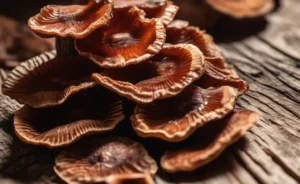
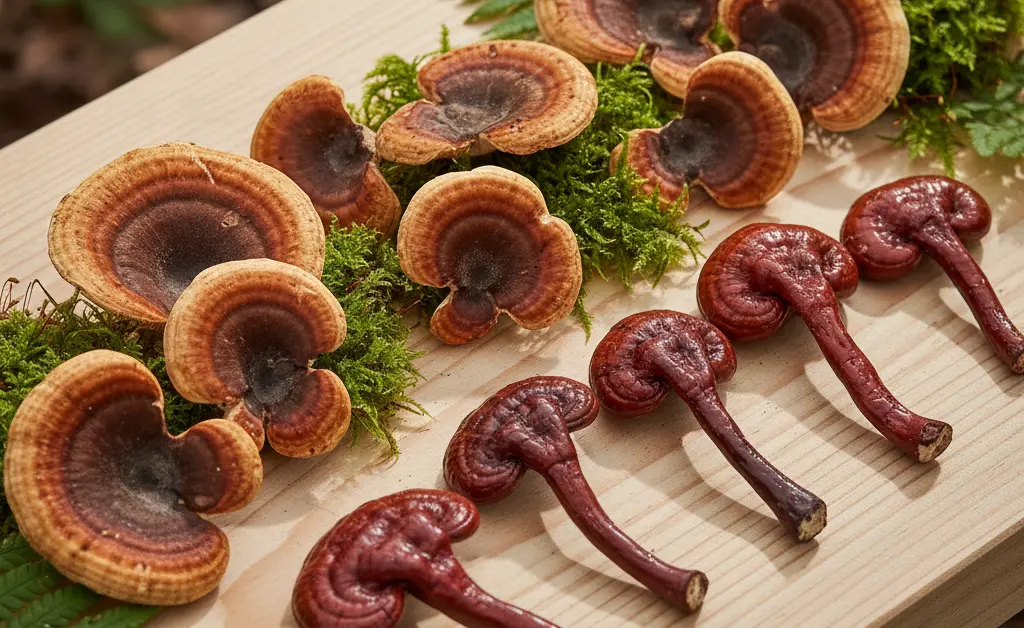
Understanding Turkey Tail mushroom involves recognizing its vibrant, fan-shaped appearance, reminiscent of a turkey’s tail, and its rich history in Asian cultures. Its primary fame stems from its potent immune system support. Reishi mushroom, often called the “mushroom of immortality,” is revered for its adaptogenic qualities and extensive use in traditional wellness practices to promote overall vitality and balance. This article will provide a comparative analysis of turkey tail mushroom vs reishi, highlighting their individual strengths and applications for those seeking natural health solutions.
Head-to-Head Comparison: Turkey Tail vs. Reishi
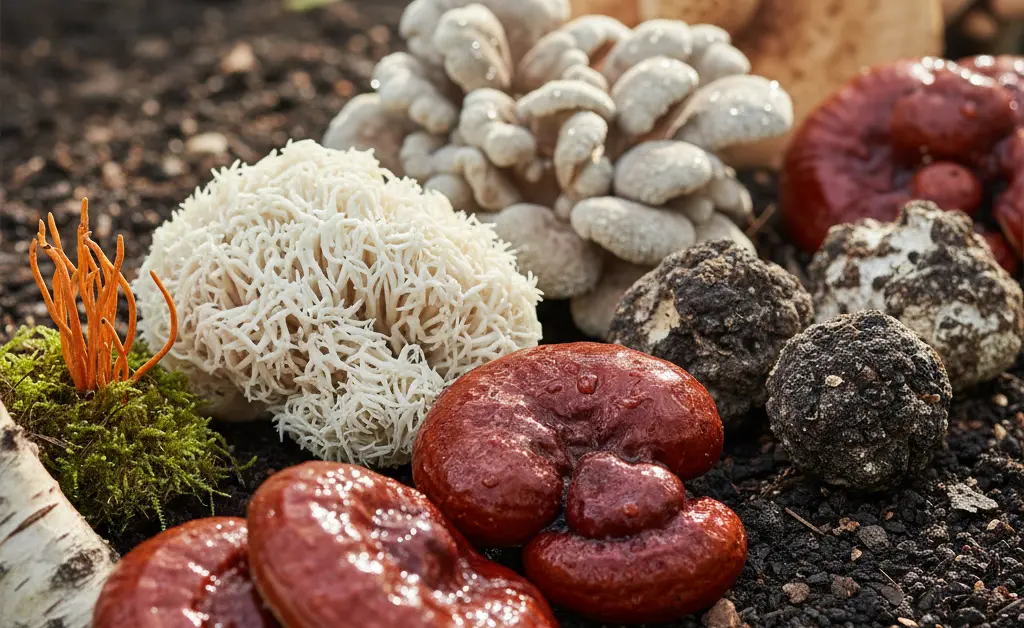
While both Turkey Tail and Reishi are highly valued medicinal mushrooms, a detailed comparison reveals their unique compositions and primary areas of benefit. Exploring their active compounds and antioxidant properties offers a clearer picture of their distinct contributions to health and wellness.
Shared and Unique Active Compounds
Both Turkey Tail and Reishi mushrooms are rich in beneficial bioactive compounds, notably polysaccharides, including various forms of beta-glucans. These complex carbohydrates are widely studied for their significant role in immune modulation. However, each mushroom also possesses unique compounds that contribute to its specific health profile.
Turkey Tail is particularly known for its protein-bound polysaccharides, specifically PSP (polysaccharopeptide) and PSK (polysaccharide-K). These compounds have been extensively researched for their immune-supporting properties, particularly in enhancing cellular immunity. Reishi, on the other hand, is characterized by its high concentration of triterpenes, which are responsible for its slightly bitter taste and many of its adaptogenic and anti-inflammatory effects. These distinct profiles mean that while both offer immune benefits, they do so through different mechanisms and provide a broader spectrum of medicinal mushroom benefits when considered individually.
Antioxidant Properties
Beyond their immune-modulating compounds, both Turkey Tail and Reishi exhibit impressive antioxidant properties. Antioxidants are crucial for combating oxidative stress in the body, which can contribute to various health challenges. The presence of phenolic compounds, flavonoids, and other antioxidant-rich constituents in both fungi helps to protect cells from damage caused by free radicals.
Turkey Tail’s antioxidant capacity is often attributed to its polysaccharides and other phytonutrients, contributing to its overall health benefits. Reishi’s triterpenes and polysaccharides also play a significant role in its antioxidant activity, supporting cellular integrity and contributing to its reputation as a wellness tonic. While both are powerful antioxidants, their unique blend of compounds means they may offer slightly different synergistic effects within the body, supporting overall wellness.
Immune System Support: Which Mushroom Reigns Supreme?
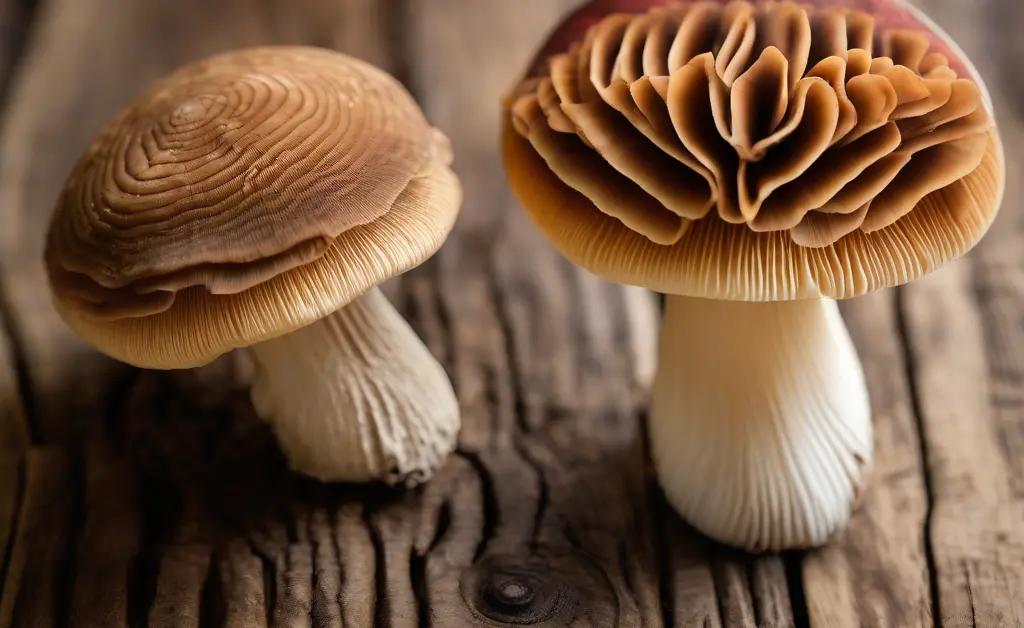
When considering immune system support, both Turkey Tail and Reishi mushrooms are champions, yet they approach immune modulation from somewhat different angles. Understanding these nuances is key to deciding which mushroom, or combination, might be most beneficial for an individual’s specific needs.
Immune System Support Comparison
Turkey Tail’s role in immunity is largely centered around its ability to enhance the body’s natural defenses, particularly through its PSP and PSK compounds. These components are thought to support the activity of various immune cells, making it a strong candidate for general immune system maintenance and resilience. Studies often highlight Turkey Tail’s capacity for immune modulation, helping the immune system to function more efficiently.
Reishi’s immunomodulating effects are also profound, but they often lean towards promoting balance and harmony within the immune system. Its triterpenes and specific polysaccharides may help regulate immune responses, preventing overactivity or underactivity. Reishi is frequently associated with reducing inflammation and helping the body adapt to stress, which indirectly supports a robust immune response. Therefore, while both offer robust immune system support, Turkey Tail might be seen as more of an immune activator, while Reishi acts as a broader immune regulator, balancing the system. This distinction is crucial when comparing turkey tail mushroom vs reishi for specific immune health goals.
Deciding for Optimal Immune Health
Deciding between Turkey Tail and Reishi for optimal immune health often comes down to individual circumstances and goals. If the aim is to bolster general immune activity and cellular defense, especially during periods of increased demand, Turkey Tail may be particularly appealing. Its focus on activating specific immune responses makes it a potent ally for robust immune function.
Conversely, if the focus is on achieving overall immune balance, reducing inflammatory responses, and supporting the body’s ability to cope with stress, Reishi might be the preferred choice. Its adaptogenic properties make it ideal for long-term immune wellness and fostering resilience. Ultimately, both offer significant benefits, and the choice depends on whether the priority is robust activation or holistic regulation of the immune system. Consulting with a healthcare professional can help guide this decision for personalized immune health strategies.
Choosing Between Turkey Tail and Reishi: Applications and Usage
The choice between Turkey Tail and Reishi often depends on the specific health benefits one is seeking, as each mushroom possesses a unique array of applications derived from its traditional uses and modern research. Understanding their primary strengths can help guide an informed decision for incorporating them into a wellness regimen.
When to Choose Turkey Tail
Turkey Tail mushroom is frequently chosen for its pronounced immune-supporting capabilities, particularly its role in enhancing specific immune cell activity. Its primary health benefits include strengthening the body’s natural defenses and potentially aiding in maintaining gut health through its prebiotic properties, which nourish beneficial gut bacteria. In traditional medicine, Turkey Tail, known as Coriolus versicolor, has been traditionally used to support general vitality and immune resilience. Individuals looking for targeted immune support, perhaps during periods when the immune system might need an extra boost, may find Turkey Tail to be particularly beneficial. Understanding Turkey Tail mushroom involves appreciating its deep connection to a resilient immune system, making it a key component in discussions comparing turkey tail mushroom vs reishi.
When to Choose Reishi
Reishi mushroom, often referred to as Ganoderma lucidum, is highly valued for its adaptogenic qualities and its broad impact on overall wellness. Its primary health benefits include promoting stress relief, supporting restful sleep, and potentially offering an energy boost by helping the body manage stress more effectively. Reishi is also studied for its anti-inflammatory properties and its role in immune modulation, contributing to a balanced immune response rather than solely stimulating it. When seeking support for stress management, promoting relaxation, or achieving a more balanced and adaptable physiological state, Reishi is often the mushroom of choice. Its traditional medicine uses emphasize its role as a tonic for longevity and spiritual well-being, highlighting its comprehensive benefits for holistic health, complementing other medicinal mushrooms like Lion’s Mane or Chaga.
Can You Take Turkey Tail and Reishi Mushrooms Together?
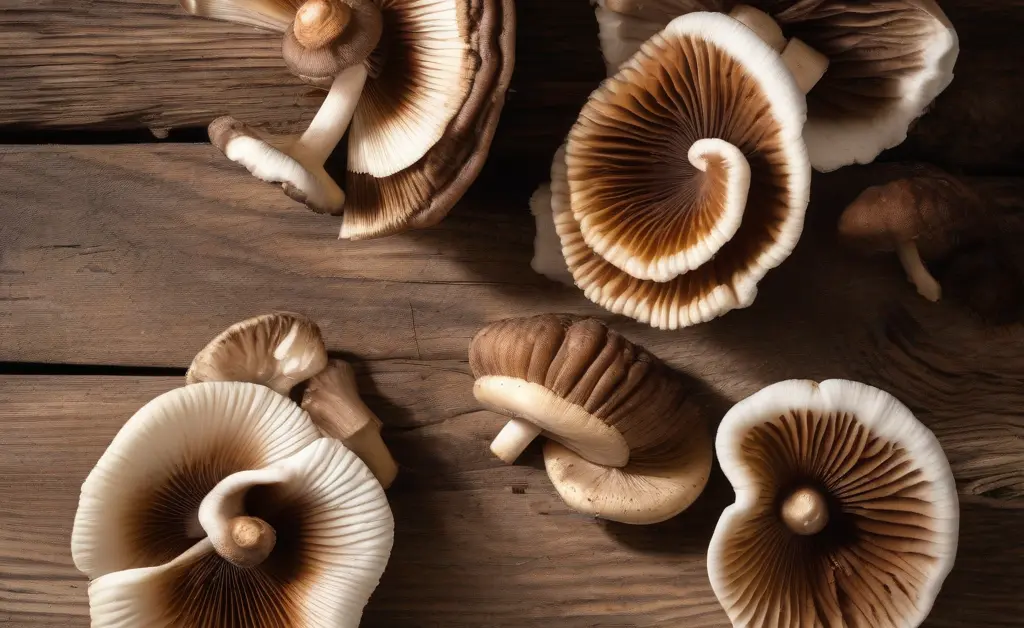
Given the distinct yet complementary benefits of Turkey Tail and Reishi, a common question arises regarding their combined use. Many individuals wonder if these powerful medicinal mushrooms can be taken together to leverage a broader spectrum of health support. The general consensus among experts in mycology and traditional wellness practices suggests that combining them is not only possible but can offer synergistic advantages.
Benefits of Synergistic Use
Combining Turkey Tail and Reishi mushrooms may offer a broader spectrum of medicinal mushroom benefits due to their differing active compounds and mechanisms of action. Turkey Tail’s focus on stimulating specific immune responses, especially through its PSP and PSK, can complement Reishi’s adaptogenic qualities and more generalized immune-balancing effects, driven by its triterpenes. This synergistic use could mean enhanced immune system support, improved stress resilience, and more comprehensive overall wellness. For example, Turkey Tail might bolster cellular immunity, while Reishi helps calm the nervous system and promote systemic balance. Together, they could provide a more robust approach to immune health and stress adaptation than either mushroom taken alone, creating a powerful combination often sought after in advanced discussions of turkey tail mushroom vs reishi.
Considerations for Combined Dosage
While taking Turkey Tail and Reishi mushrooms together can be beneficial, it is always wise to approach combined usage with thoughtful consideration. When using extracts, powders, or tinctures, it is generally recommended to start with lower amounts of each and observe how the body responds. Pay attention to how you feel, noting any changes in energy, mood, or digestive comfort. While generally well-tolerated, some individuals may experience mild digestive upset or other temporary effects. It’s always advisable to consult with a qualified health professional who can provide personalized guidance, especially when considering any potential side effects and contraindications or integrating new supplements into your regimen. For guidance on dietary supplements, it is advisable to consult resources from the FDA. They can help ensure the combined approach aligns with your individual health goals and existing health conditions, providing peace of mind when exploring the potential of medicinal mushrooms like Lion’s Mane, Chaga, and Cordyceps for enhanced well-being.
In conclusion, both Turkey Tail and Reishi mushrooms offer significant and distinct health benefits, particularly for immune system support and overall wellness. While Turkey Tail shines in bolstering specific immune responses with compounds like PSP and PSK, Reishi excels as an adaptogen, promoting balance, stress relief, and broader immune modulation through triterpenes. The choice between them often depends on individual health goals, whether seeking targeted immune activation or holistic physiological balance. For those aiming to leverage a more comprehensive approach to health, combining Turkey Tail and Reishi can offer synergistic benefits, potentially enhancing both immune resilience and adaptability. Ultimately, understanding their unique properties empowers informed decisions for incorporating these revered medicinal mushrooms into a personal wellness journey.
The purpose of this content is to educate, not to diagnose or treat. This information is intended for general knowledge and informational purposes only, and does not constitute medical advice. Always consult with a qualified healthcare professional before making any decisions about your health or starting any new wellness regimen. Individual results may vary, and the information provided should not be used as a substitute for professional medical advice, diagnosis, or treatment.
FAQ
What are the main differences between turkey tail and reishi mushrooms?
The primary distinction in turkey tail mushroom vs reishi lies in their traditional applications and studied compounds. Turkey tail is notably recognized for its unique polysaccharides, PSP and PSK, which have been extensively researched for their immune-modulating properties. Reishi, conversely, is revered as an adaptogen, containing triterpenes that contribute to its calming and overall balancing effects.
Which mushroom is better for immune support: turkey tail or reishi?
While both mushrooms are linked to supporting immune function, they do so through somewhat different pathways. Turkey tail is particularly well-regarded for its direct impact on immune cell activity, often attributed to its rich polysaccharide content. Reishi, while also supportive of immunity, is more broadly known for its adaptogenic properties that help the body maintain balance, which in turn can bolster immune resilience.
Can you take turkey tail and reishi mushrooms together?
Many people choose to incorporate both turkey tail and reishi mushrooms into their wellness routines. Their active compounds are understood to offer complementary benefits, working synergistically rather than antagonistically. Combining them allows for a broader spectrum of support, addressing various aspects of well-being.
What are the key benefits of turkey tail compared to reishi?
Turkey tail is primarily recognized for its potent immune-modulating effects, particularly due to its unique polysaccharide-peptides, PSP and PSK. These compounds are known for their ability to support the body’s natural defense mechanisms and cellular health. Its distinct profile sets it apart from reishi’s broader adaptogenic qualities.
Is reishi mushroom stronger than turkey tail?
The concept of one mushroom being “stronger” than another isn’t accurate, as they possess different primary areas of action. Reishi is celebrated for its adaptogenic qualities, playing a significant role in promoting balance and a sense of calm within the body. Turkey tail, on the other hand, is distinctly focused on specific aspects of immune system support.
Do turkey tail and reishi have similar active compounds?
While both turkey tail and reishi contain beneficial polysaccharides, including beta-glucans, they also possess distinct active compounds that contribute to their unique effects. Turkey tail is known for its specific polysaccharide-peptides (PSP and PSK), while reishi contains a rich array of triterpenes. These differences are relevant to their diverse biological activities.
Which mushroom is better for overall wellness?
Determining which mushroom is “better” for overall wellness depends greatly on individual needs and wellness goals. Reishi is often valued for its comprehensive adaptogenic properties, contributing to a sense of balance and resilience across various body systems. Turkey tail excels in providing targeted support for immune health, which is a fundamental component of overall well-being.