
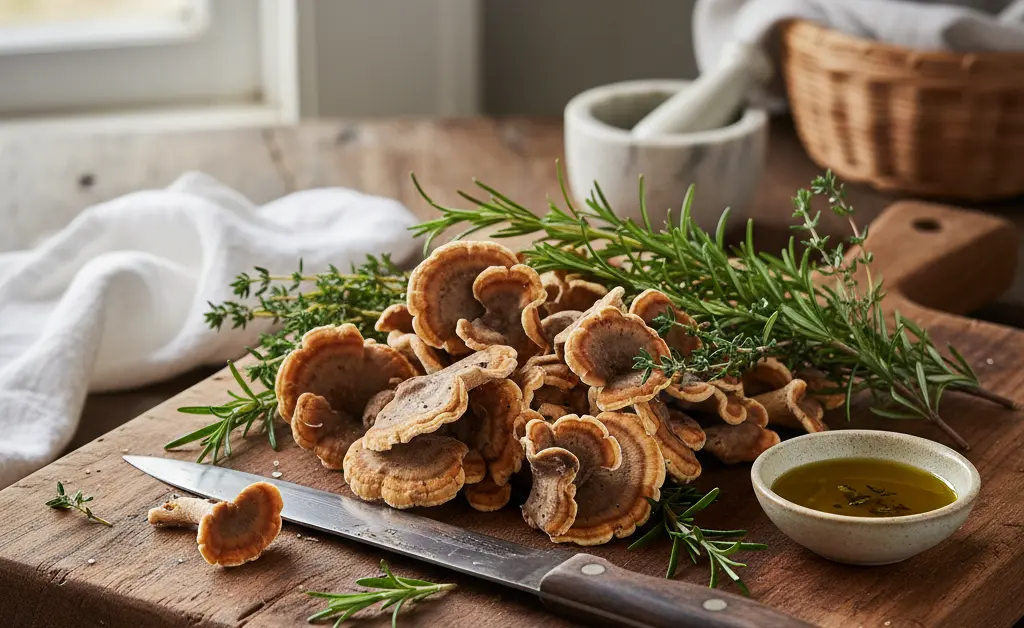
Many perceive turkey tail mushrooms primarily as an ingredient for tinctures or teas, valuing them almost exclusively for their medicinal properties. While their health benefits are well-documented and highly regarded, this perspective often overlooks their potential as a culinary ingredient. It’s a common misconception that their tough, leathery texture makes them unsuitable for direct consumption in dishes. However, with the right techniques, these fascinating fungi can be thoughtfully prepared to unlock a surprising depth of earthy flavor and add unique textural elements to a variety of recipes. Understanding precisely how to cook turkey tail mushroom can transform it from a mere supplement into a versatile component of wholesome meals, offering both wellness and an intriguing gastronomic experience. This guide aims to demystify the process, demonstrating practical approaches to prepare and integrate this remarkable mushroom into your cooking.
How to Cook Turkey Tail Mushroom
Successfully integrating turkey tail mushrooms into your diet requires understanding the fundamental steps of preparation. This begins with selecting the right specimens and applying appropriate processing techniques. Learning how to cook turkey tail mushroom effectively starts long before it reaches the heat, focusing on ensuring it is clean, properly sized, and conditioned for culinary use.
Identifying Suitable Turkey Tail for Cooking
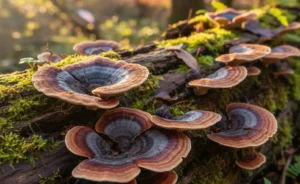
When foraging or purchasing turkey tail mushrooms, look for vibrant colors and distinct concentric rings. Fresh specimens should feel firm, not slimy or brittle. Avoid any mushrooms that show signs of mold, rot, or insect damage. It is also crucial to be absolutely certain of your identification, as some species can have a superficial resemblance to turkey tail, though true toxic look-alikes are rare. However, always prioritize proper identification by an expert if foraging. For reliable global health information, consult organizations like the WHO.
Distinguishing Fresh vs. Dried Turkey Tail
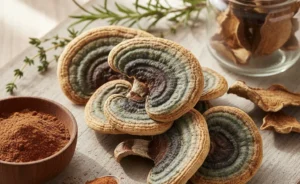
Fresh turkey tail mushrooms offer a slightly different culinary experience than their dried counterparts. Fresh mushrooms possess a more pronounced earthy flavor and a pliable, albeit tough, texture. They are ready for immediate cleaning and preparation. Dried turkey tail, on the other hand, concentrates its flavors and beneficial compounds, but requires rehydration before use. Dried forms are more commonly available and convenient for storage.
Cleaning and Removing Debris
Whether fresh or rehydrated dried, thorough cleaning is essential. Use a soft brush or a damp cloth to gently wipe away any soil, dust, or small debris from the mushroom’s surface. Avoid soaking fresh turkey tail mushrooms, as they can absorb too much water and become waterlogged, diluting their flavor and affecting texture. For dried mushrooms, the cleaning process typically occurs before or during rehydration.
Slicing and Cutting Techniques
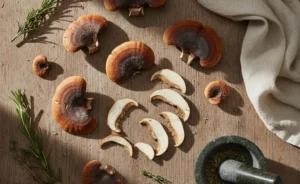
Due to the inherently tough and leathery texture of turkey tail mushrooms, fine slicing or shredding is often preferred for culinary applications beyond broths. Use a very sharp knife to cut against the grain, if discernible, into thin strips or small pieces. This helps to break down some of the fibrous material, making the mushroom easier to consume and allowing it to better release its flavors during the cooking process.
Rehydrating Dried Turkey Tail Mushrooms
To rehydrate dried turkey tail mushrooms, place them in a bowl and cover them with warm water. Allow them to soak for at least 30 minutes to an hour, or until they become pliable. The rehydration liquid itself can be rich in flavor and nutrients, so consider straining and reserving it for use in broths, soups, or teas. Once rehydrated, the mushrooms can be cleaned, sliced, and prepared as fresh ones.
Popular Cooking Methods for Turkey Tail Mushrooms
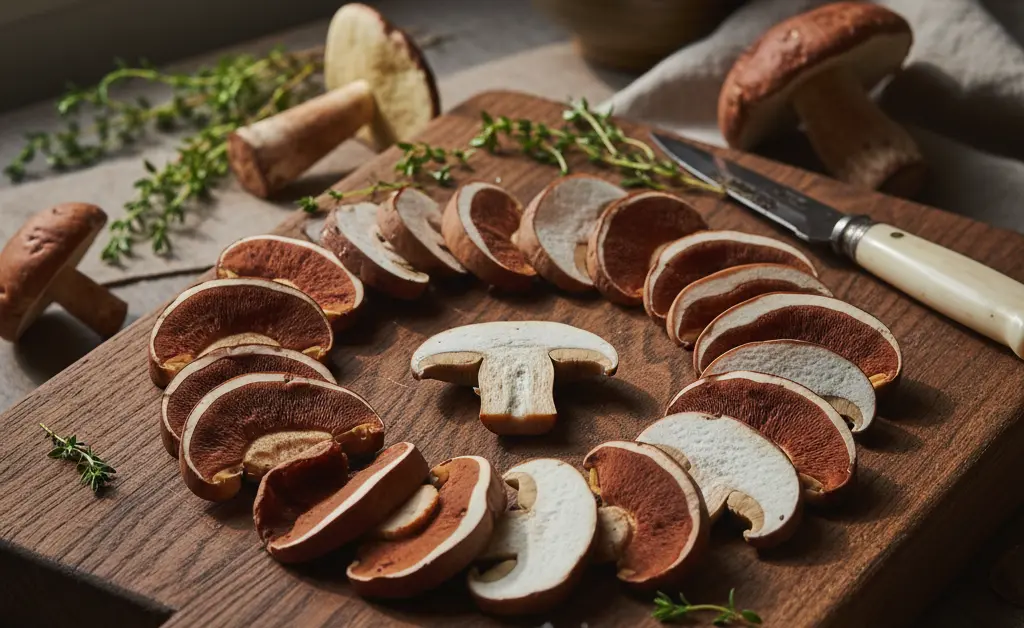
While the texture of turkey tail can be challenging, specific cooking methods are ideal for breaking down its fibrous structure and extracting its beneficial compounds. Understanding these approaches is key to learning how to cook turkey tail mushroom effectively, transforming it into a versatile culinary or medicinal ingredient.
Steaming Turkey Tail Mushrooms
Steaming is a gentle cooking method that can help soften turkey tail mushrooms without extensive waterlogging. Place cleaned and sliced turkey tail mushrooms in a steamer basket over simmering water, ensuring they are not submerged. Steam for 15-30 minutes, or until they reach a more tender consistency. Steaming helps preserve the delicate compounds while making the mushroom more palatable for direct consumption in dishes.
Simmering for Broths and Teas
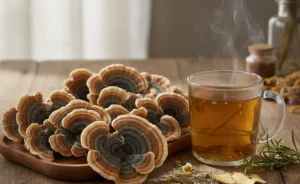
Simmering is perhaps the most common and effective way to prepare turkey tail for culinary and wellness purposes. For a flavorful broth, combine cleaned turkey tail pieces with water and other aromatic ingredients like vegetables and herbs. Allow it to simmer gently for several hours, which will extract both flavor and beneficial compounds. For a simple turkey tail tea, steep smaller pieces or powder in hot water for 15-30 minutes.
Boiling Turkey Tail for Extracts
Boiling is often employed for making more concentrated extracts, especially when aiming to draw out water-soluble polysaccharides. This method typically involves a longer boiling time, sometimes followed by a secondary alcohol extraction for dual-extracted tinctures. While the mushroom itself may become quite soft after prolonged boiling, the primary goal here is to create a potent liquid extract rather than a culinary dish.
Tips for Optimizing Flavor and Texture
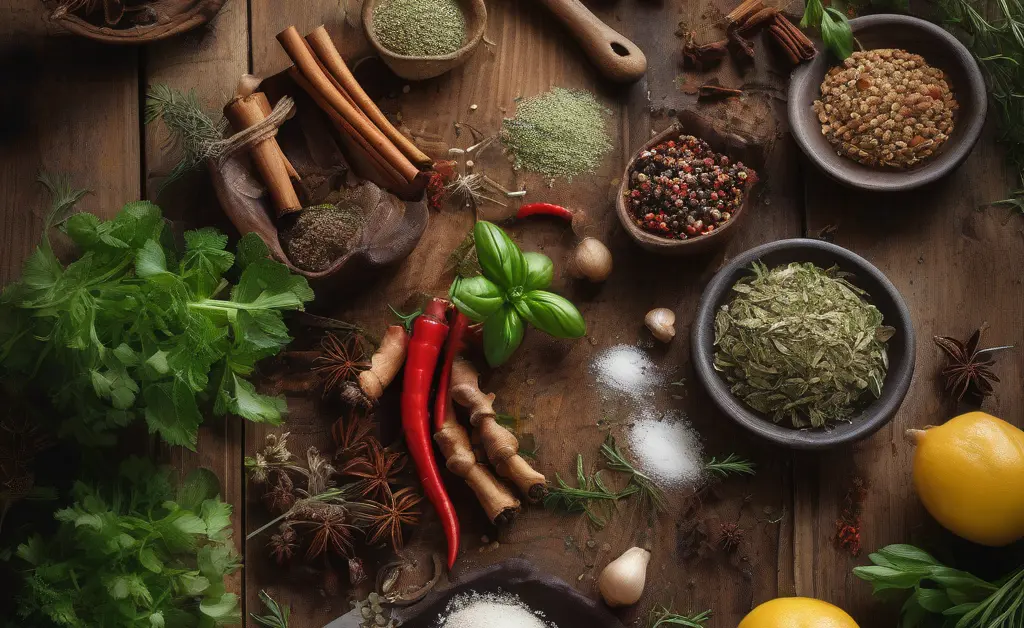
Successfully incorporating turkey tail mushrooms into your cooking goes beyond basic preparation. It involves techniques to enhance its natural taste and make its unique texture more appealing. These tips on how to cook turkey tail mushroom focus on maximizing its culinary potential.
Achieving Tenderness in Cooked Turkey Tail
The fibrous nature of turkey tail often requires extended cooking times to achieve tenderness. Simmering or boiling for several hours is the most effective method, especially for pieces intended for direct consumption. Pressure cooking can also significantly reduce the time needed to soften the mushroom’s tough texture. Cutting the mushrooms into very thin slices before cooking also aids in making them more palatable.
Enhancing Natural Flavors
Turkey tail mushrooms possess a mild, earthy, and slightly woody flavor. To enhance this, consider pairing them with complementary ingredients. Aromatics such as garlic, onions, ginger, and herbs like thyme or rosemary work well. A light seasoning of salt and pepper can highlight its natural taste. Marinating thinly sliced turkey tail in a savory liquid before simmering can also infuse deeper flavors, making the cooked turkey tail mushroom a more delightful addition to meals.
Best Practices for Preserving Nutritional Qualities
To retain the beneficial compounds in turkey tail, lower heat and longer cooking times are often preferred over high-heat, quick methods. Steaming and simmering are excellent for this purpose, as they gently extract and preserve the mushroom’s active constituents. When making teas or broths, avoid discarding the cooking liquid, as it contains a significant portion of the extracted nutrients. Processing dried mushrooms into a fine powder can also make them easier to absorb when added to smoothies or other dishes.
Recipes and Ways to Incorporate Cooked Turkey Tail Mushrooms
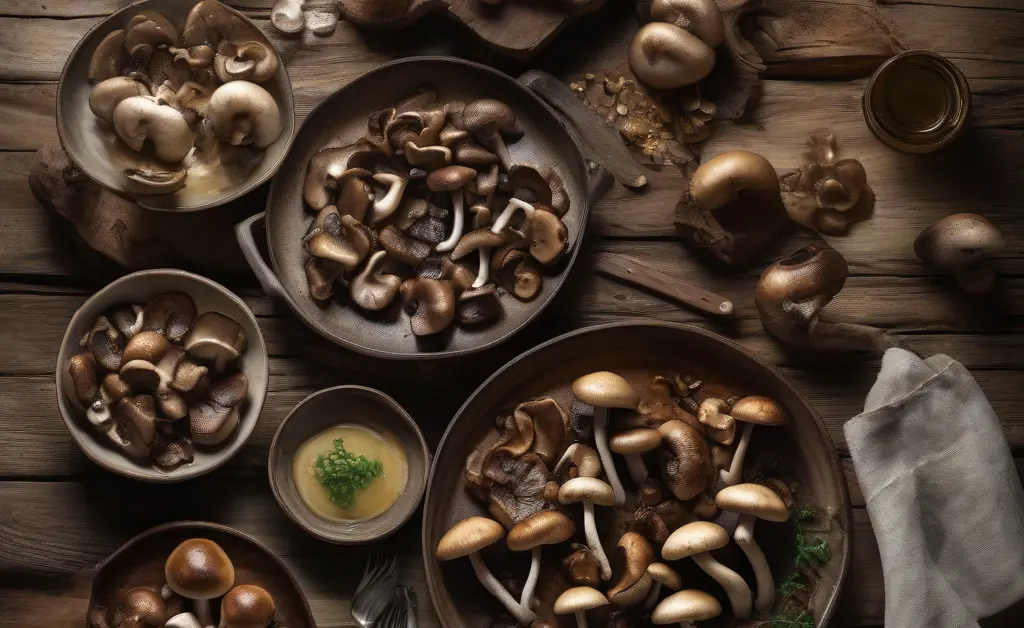
Once you understand how to cook turkey tail mushroom, its versatility opens up. Beyond traditional teas, these fungi can enrich a variety of recipes, adding both nutritional value and unique textural elements. From savory dishes to wellness concoctions, the cooked turkey tail mushroom can be a surprising and beneficial ingredient.
Adding to Soups and Stews
Cooked turkey tail mushrooms, especially those simmered until tender, make a hearty addition to soups and stews. Their earthy flavor complements robust broths and blends well with root vegetables, legumes, and various meats. Thinly sliced or finely chopped pieces can be stirred in during the final stages of cooking, adding body and depth to the dish. The rehydration liquid from dried turkey tail can also be used as a flavorful base for these preparations. For other delicious fungi, explore options like how to cook maitake mushroom.
Using in Teas and Tinctures
Turkey tail tea remains one of the most popular ways to consume this mushroom. Simply steep fresh or dried pieces in hot water, or use a finely ground powder. For a more concentrated form, a double extraction tincture can be made, involving both a water and an alcohol extraction process. Beyond direct teas, the mushroom’s powder can be blended into smoothies or incorporated into other beverages for an easy nutritional boost.
This article is written for general understanding and not for medical decision-making. The information provided is for educational purposes only and should not be considered a substitute for professional medical advice, diagnosis, or treatment. Always consult with a qualified healthcare provider before making any decisions about your health or starting any new dietary or wellness regimen.
FAQ
— How do you prepare turkey tail mushrooms for cooking?
Turkey tail mushrooms are generally quite tough and woody, making them unsuitable for direct culinary dishes like sautéing. The common approach involves preparing them for extraction, typically by simmering them to create a potent broth or tea. This method, known for effectively releasing their beneficial compounds, allows for their use in liquid form.
— What is the best way to cook fresh turkey tail?
Given their firm and fibrous texture, fresh turkey tail mushrooms are not typically prepared like common culinary fungi for direct consumption. Instead, the most effective method for utilizing fresh turkey tail involves a prolonged simmering or decoction process. This is also how to cook turkey tail mushroom for maximum extraction, as it helps dissolve beneficial compounds into a consumable liquid like tea or broth.
— How long does it take to cook turkey tail mushrooms?
For effective extraction of their compounds, turkey tail mushrooms require a significant amount of cooking time. These tough fungi are often simmered gently for several hours, typically ranging from one to three hours or even longer. This extended period is crucial for breaking down their chitinous cell walls and releasing the desired constituents into the preparation.
— Do you need to clean turkey tail mushrooms before cooking?
Yes, it is advisable to clean turkey tail mushrooms thoroughly before any preparation, especially if they have been wild-harvested. Gently brush off any visible dirt, debris, or small insects from their surface. While a quick rinse under running water is acceptable, ensure they are dried well afterwards to avoid excess moisture.