
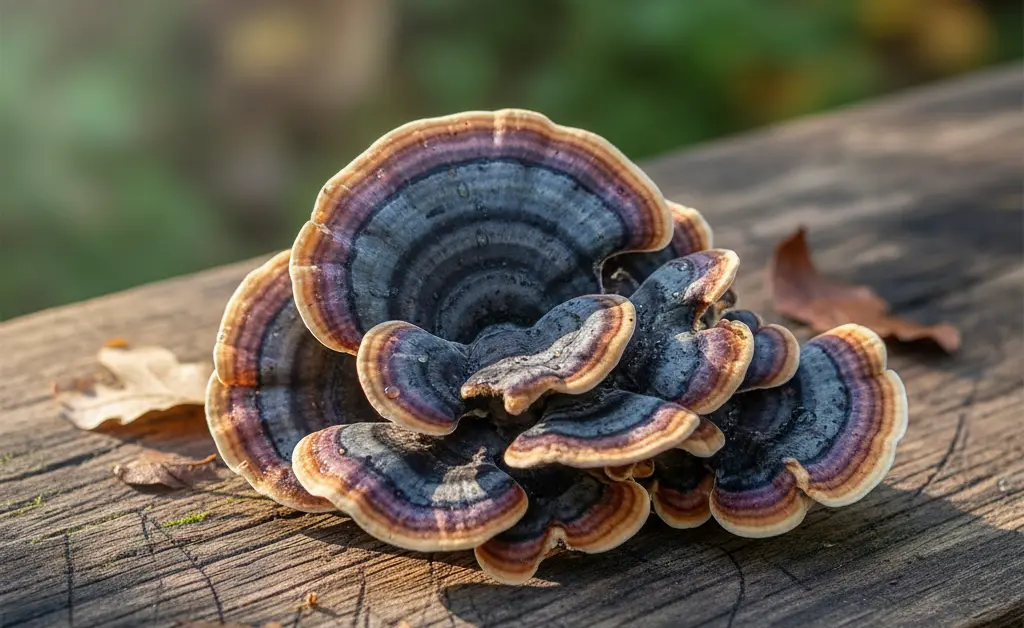
Imagine waking up with that familiar, uncomfortable twist in your gut, the kind that makes you hesitant to plan anything for the day. For many, this daily struggle is a reality, often linked to the complexities of irritable bowel syndrome (IBS). The constant search for relief often leads individuals down various paths, exploring dietary changes, stress management techniques, and sometimes, natural supplements. Among the many traditional remedies gaining contemporary attention for digestive health, particularly for those navigating chronic gut issues, is the humble yet potent turkey tail mushroom. Its potential to modulate gut flora and support immune function has sparked considerable interest, prompting a closer look at the efficacy of turkey tail mushroom for IBS and overall digestive well-being. This article delves into the science behind its purported benefits, exploring how this remarkable fungus might offer a natural avenue for managing uncomfortable gastrointestinal symptoms and fostering a healthier gut environment.
Turkey Tail Mushroom for IBS and Gut Health
The intricate relationship between gut health and overall well-being is increasingly understood, with the gut microbiome playing a central role. For individuals experiencing the challenges of IBS, maintaining a balanced and diverse gut flora is often a primary goal. Turkey tail mushroom, scientifically known as Coriolus versicolor or Trametes versicolor, has a long history in traditional practices for its wide array of turkey tail mushroom benefits, particularly those related to immune support. Contemporary research is now exploring its potential in modulating the gut environment, making the use of turkey tail mushroom for IBS a subject of growing interest.
This medicinal mushroom is rich in beneficial compounds, including polysaccharides like Polysaccharide-K (PSK) and Polysaccharopeptide (PSP), which are thought to contribute to its adaptogenic and immune-modulating properties. These compounds are studied for their potential to influence the composition of the gut microbiota, which is often imbalanced in those with IBS. By fostering a healthier gut microbiome, turkey tail may indirectly support digestive health and contribute to a more balanced internal environment, which is crucial for managing chronic gastrointestinal issues. For more scientific information, resources like the NIH provide extensive research data.
Targeting Specific IBS Symptoms
IBS manifests through a variety of uncomfortable symptoms, including abdominal pain, bloating, diarrhea (IBS-D), and constipation (IBS-C). The potential for turkey tail mushroom to address some of these specific symptoms is a key area of investigation. Its influence on the gut microbiota, for instance, may help to improve digestive regularity and stool consistency, which are common concerns for individuals with both IBS-D and IBS-C. For those experiencing IBS-C, the efficacy of turkey tail mushroom for constipation is a specific area of interest. A balanced microbiota can also play a role in reducing gut inflammation, which is often a contributing factor to abdominal pain and discomfort.
Furthermore, the prebiotic properties attributed to certain components of turkey tail mushroom may encourage the growth of beneficial gut bacteria. This can lead to improved digestion and potentially reduce instances of bloating and gas, offering a sense of relief for those struggling with these persistent IBS symptoms. Studies are also exploring the potential of turkey tail mushroom for bloating relief. While not a direct treatment, its role in promoting a more harmonious gut environment suggests it could be a supportive element in a comprehensive approach to managing IBS.
How Turkey Tail Supports Digestive Health
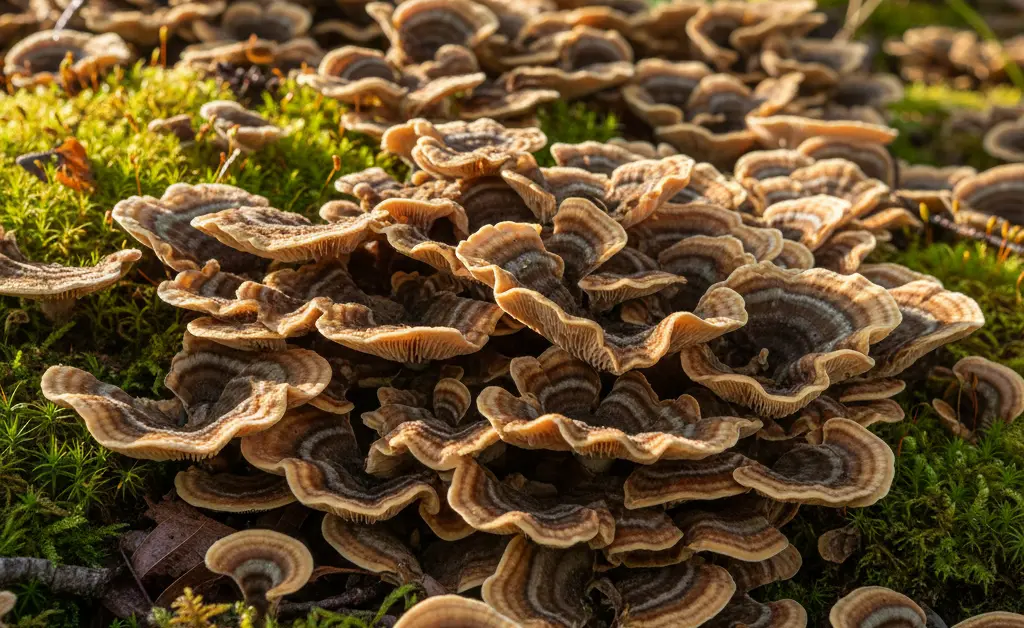
The mechanisms by which turkey tail mushroom may support digestive health are multifaceted, primarily revolving around its interaction with the gut microbiome and immune system. As a source of prebiotics, such as beta-glucans, this mushroom can nourish beneficial gut bacteria. These bacteria then produce short-chain fatty acids (SCFAs), which are vital for the health of the intestinal barrier and for overall gut function. A robust intestinal barrier is essential for preventing the leakage of undigested food particles and toxins, a condition often associated with heightened sensitivity and inflammation in the GI tract. Beyond IBS, there is also emerging interest in the use of turkey tail mushroom for GERD.
Moreover, the immune-modulating effects of compounds like PSK and PSP in turkey tail mushroom are significant. Since the gut houses a large portion of the body’s immune cells, modulating gut immunity can have a profound impact on digestive well-being. By supporting a balanced immune response, turkey tail may help to reduce gut inflammation and oxidative stress, which are common underlying issues in IBS. This comprehensive support for both the gut microbiota and the immune system highlights the potential utility of turkey tail mushroom for IBS management, helping to foster a more resilient and balanced digestive system.
Considerations When Using Turkey Tail for IBS
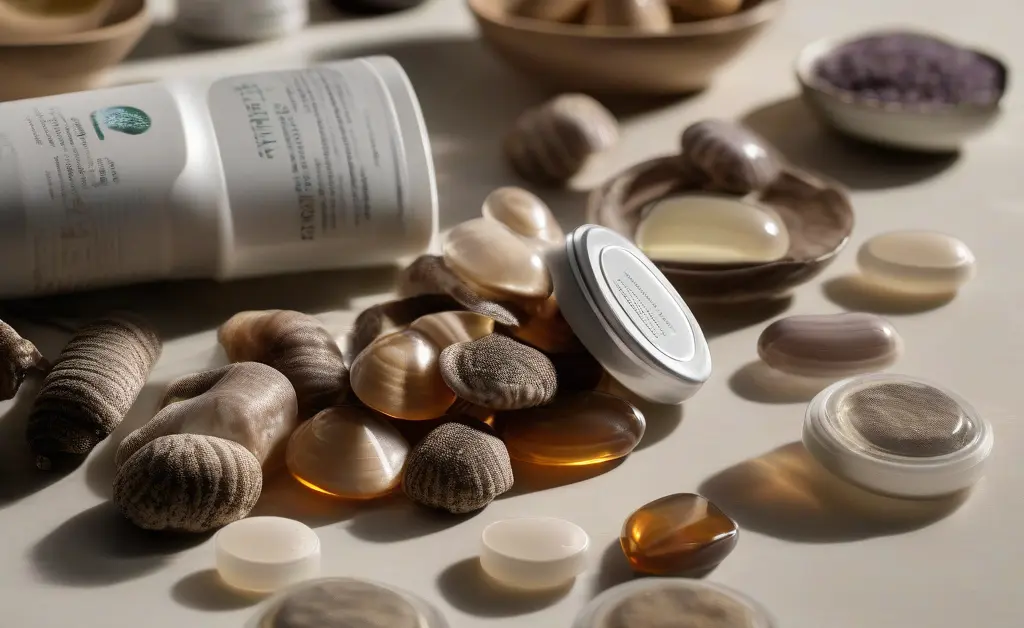
While the potential benefits of turkey tail mushroom for IBS are compelling, it is important to approach its use with careful consideration. As with any supplement, understanding the appropriate ways to incorporate it, along with potential effects, is crucial for safe and effective integration into a health regimen. The quality and form of turkey tail supplements can vary widely, influencing their efficacy and overall impact. Therefore, choosing reputable products and understanding their composition is a key first step.
Recommended Dosage and Forms
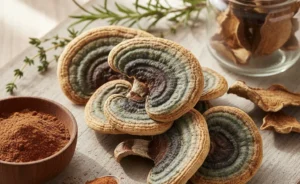
Turkey tail mushroom is available in various forms, including powders, capsules, tinctures, and extracts. Each form may offer different concentrations of the active compounds like PSK and PSP. Powders can be easily added to smoothies or teas, while capsules offer a convenient, pre-measured option. Extracts, often more concentrated, may provide a higher potency of beneficial polysaccharides. The choice of form often depends on personal preference and desired method of consumption. It is important to note that specific recommendations for turkey tail mushroom for IBS may vary widely, and general guidelines should be approached cautiously.
Potential Side Effects and Interactions
Turkey tail mushroom is generally considered well-tolerated by many individuals. However, some people may experience mild digestive upset, such as stomach upset or changes in stool consistency, particularly when first introducing the supplement. As with any natural product, there is always a potential for allergic reactions. Additionally, turkey tail may interact with certain medications, especially those affecting the immune system or blood clotting. Therefore, it is important to be aware of any concurrent medications being taken.
Consulting a Healthcare Professional
Before incorporating turkey tail mushroom for IBS or any new supplement into your routine, especially if you have an existing health condition or are taking other medications, consulting with a healthcare professional is strongly advised. A gastroenterologist or a doctor familiar with complementary and alternative medicine can provide personalized guidance based on your specific health profile, current IBS symptoms, and potential interactions. They can help determine if turkey tail mushroom is a suitable option for you and guide you on the most appropriate approach.
This content is for informational use and should not be considered medical instruction. It is not intended to provide medical advice, diagnosis, or treatment. Always consult with a qualified healthcare professional before making any decisions about your health or starting any new dietary supplement or health regimen. Individual responses to supplements may vary.
FAQ
— Can turkey tail help with IBS symptoms?
Research into turkey tail mushroom highlights its unique compounds, such as polysaccharopeptides (PSPs) and polysaccharide-K (PSK), which are known for their immunomodulatory properties. These compounds are also recognized for their potential to act as prebiotics, supporting a balanced gut microbiome. A healthy and diverse gut environment is increasingly understood to play a crucial role in overall digestive wellness, making turkey tail mushroom for ibs a subject of growing interest in the scientific community.
— What is the best way to take turkey tail for IBS?
Turkey tail is commonly available in various forms, including powdered extracts and capsules, which are designed for ease of use and consistent delivery of its active compounds. The effectiveness often relates to the product’s concentration of beneficial polysaccharides, such as PSPs and PSK, which can vary between different preparations. Many individuals choose to incorporate it as a daily dietary supplement.
— Are there side effects of turkey tail for IBS?
When incorporating any new supplement, including turkey tail, some individuals might experience mild digestive changes, such as bloating or loose stools, particularly when first starting. These effects are generally mild and temporary. It is always wise to pay attention to your body’s response.